What does 3D animation actually do for the pharmaceutical industry? It helps in converting complex processes, manufacturing flows, equipment mechanics, facility layouts, and operator SOPs into accurate visual content that communicates what words, diagrams, and static images can’t.
3D animation for the pharmaceutical industry is now used at every stage of the business – from training plant operators to supporting multi-million-dollar tender submissions.
This blog covers the six most impactful use cases and how to choose an animation studio that actually understands pharma’s technical requirements.
Key-Takeaways
3D animation converts complex pharma processes into clear, decision-making visuals.
It reduces errors in training by replacing text with step-by-step visual learning in the form of 3D animation.
Complex machinery and systems become easier to understand, evaluate, and approve.
It strengthens tenders and sales by simplifying technicalities for decision-makers.
With only one visual asset(3D animation), the communication becomes effective across multiple stakeholders.
Why the Pharma Industry has a Unique Communication Problem
Three layers of complexity make pharma communication especially difficult:
Process complexity
Drug manufacturing involves multi-stage chemical and biological processes, often happening inside sealed systems that are invisible to the naked eye.
Explaining how a bioreactor works…is genuinely difficult without visual support.
Stakeholder diversity
A single pharma facility interacts with regulators, procurement teams, international buyers, plant operators, maintenance engineers, investors, and exhibition visitors, all of whom need different levels of detail and different kinds of clarity. One document cannot serve all of them well. Visual content can be designed and layered in ways that text cannot.
High consequences of misunderstanding
In most industries, a poorly communicated process results in a confused customer or a delayed decision. In pharma, it can mean contamination, a failed audit, a rejected tender, or an operator error on the production floor. The stakes for clarity are higher here than in almost any other sector.
This is the communication problem that 3D animation was designed to solve, and in pharma specifically, it’s offering value across six distinct use cases.
Struggling to explain complex pharma processes clearly to different stakeholders?
Talk to Us
Six Use Cases Where 3D Animation Delivers Real Value in Pharma
3.1. Manufacturing process visualisation
The problem it solves: Most pharmaceutical manufacturing processes involve sealed equipment, invisible flows, and sequential steps that unfold inside pipelines, tanks, and sterile chambers. A 2D process flow diagram gives you the map. A 3D manufacturing process animation gives you the territory.
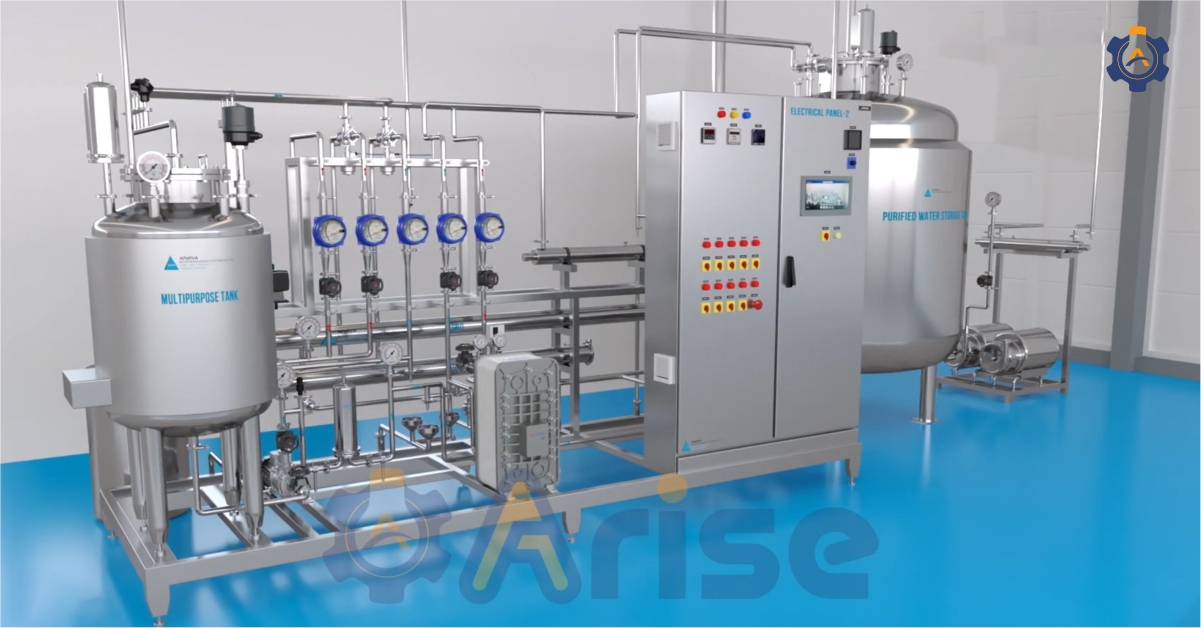
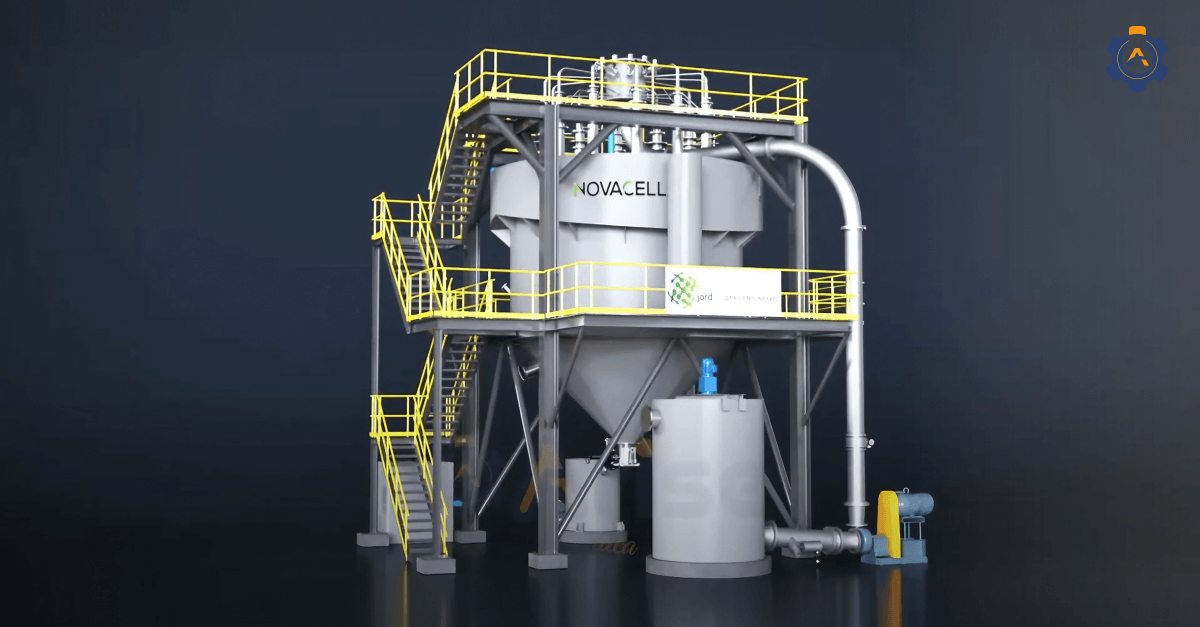
What it actually shows: 3D manufacturing animations can depict the complete production sequence from raw material intake and mixing to granulation, compression, coating, and packaging in a spatially accurate, step-by-step visual. They can reveal the internal mechanics of sealed equipment, show the flow of materials through process lines, and highlight quality checkpoints that would be invisible in any physical inspection.
3.2 Equipment and machinery demonstration
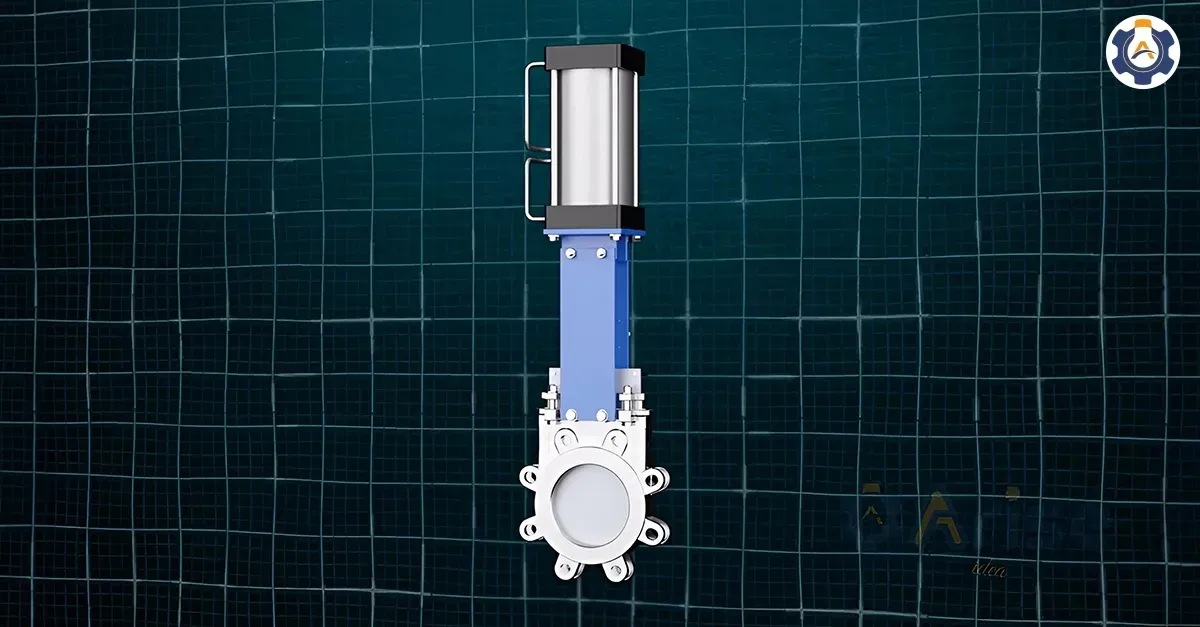
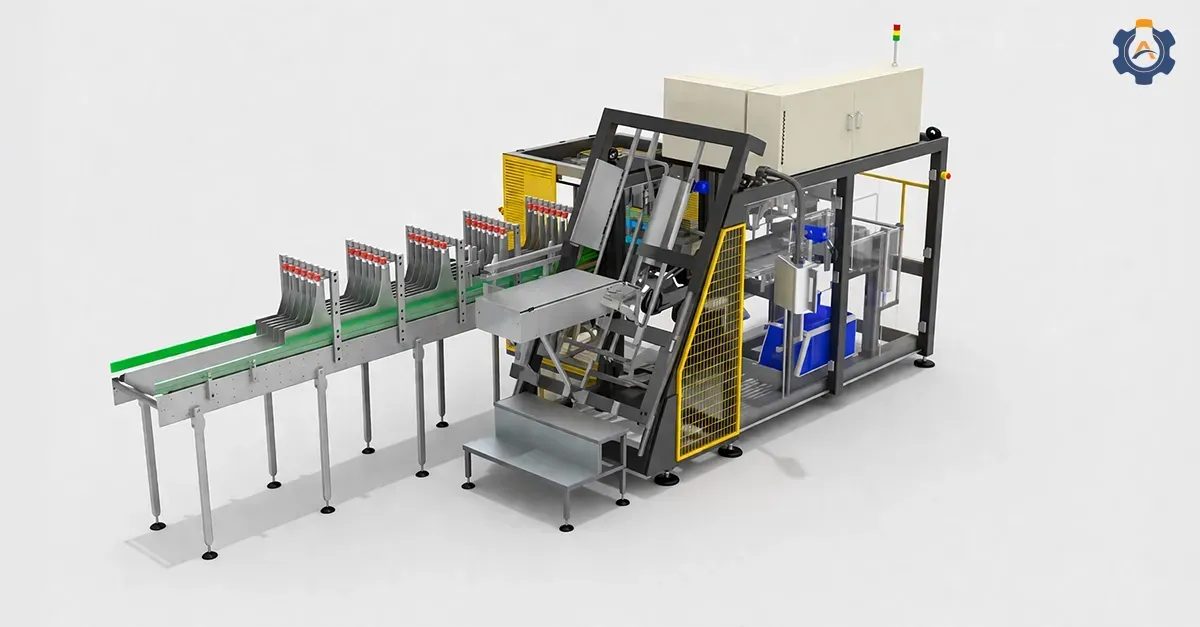
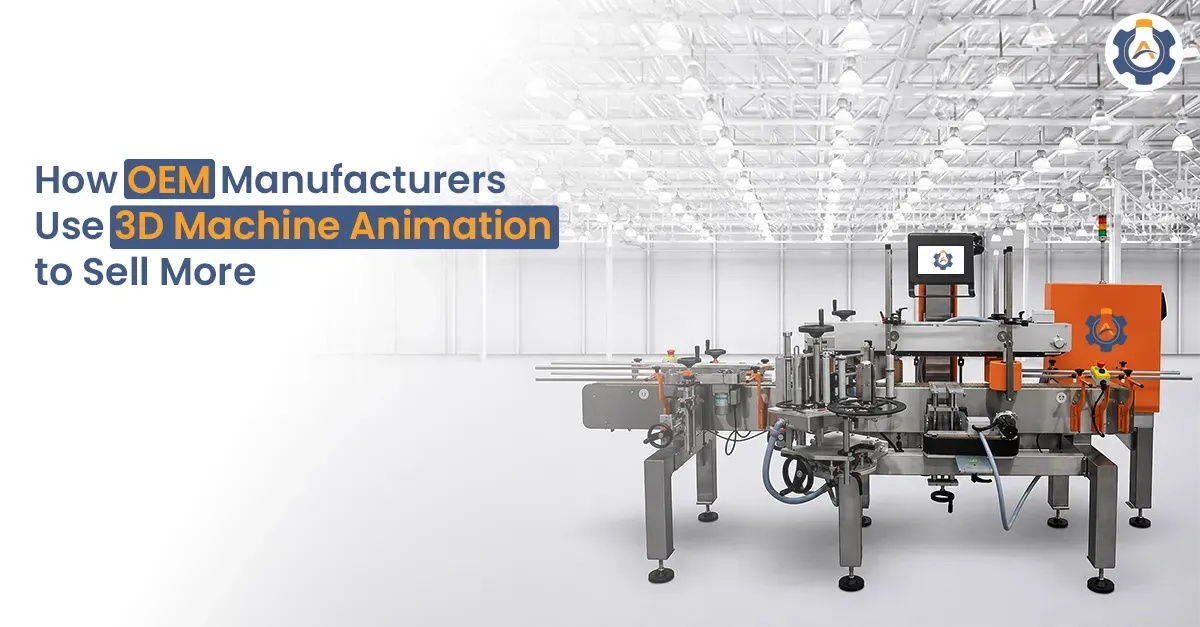
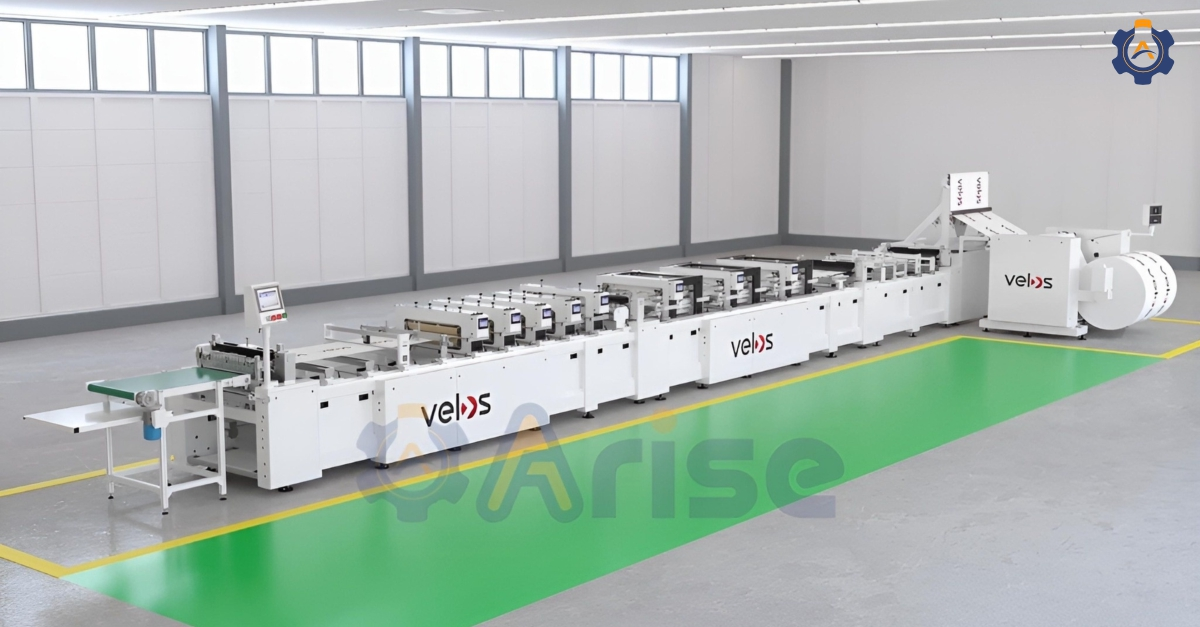
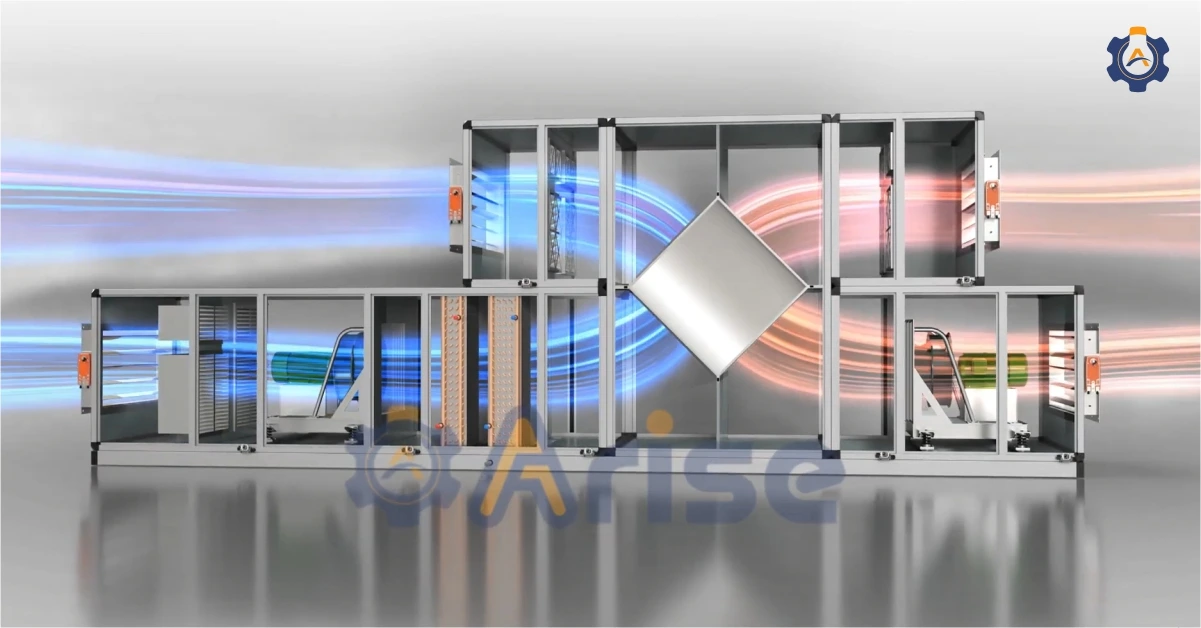
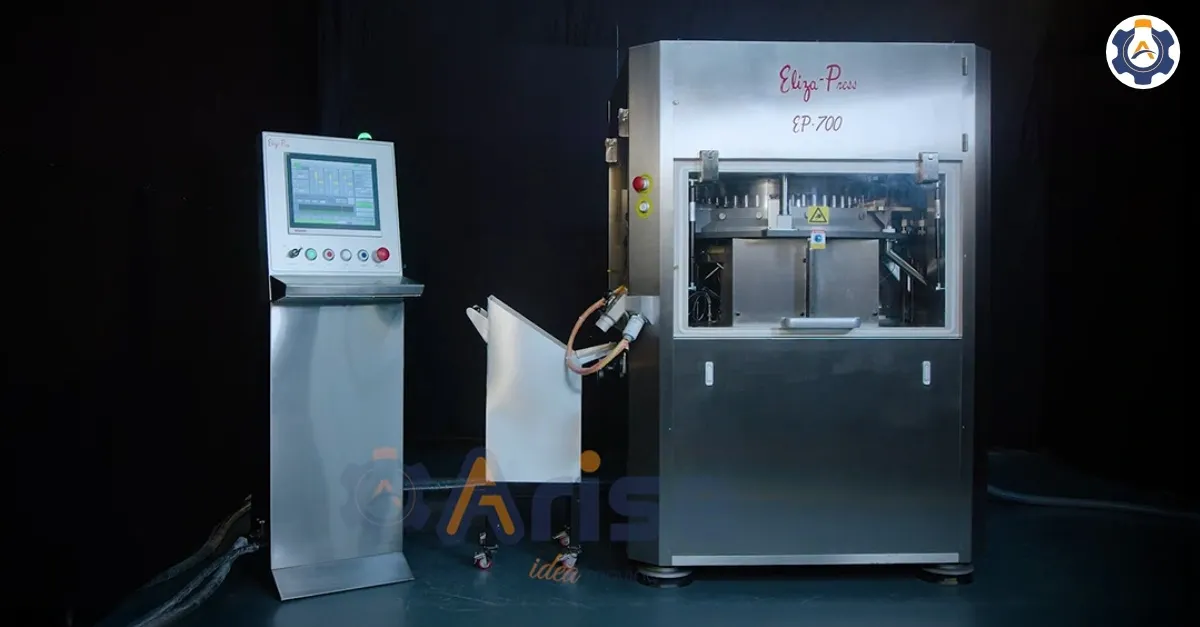
The problem it solves: Pharma machinery demonstrations, equipment, tablet presses, blister packaging lines, lyophilizers, sterile filling systems, and cleanroom HVAC units are technically complex and often expensive. Selling it, explaining it, or getting approval for it is significantly harder when the buyer can’t see inside the machine.
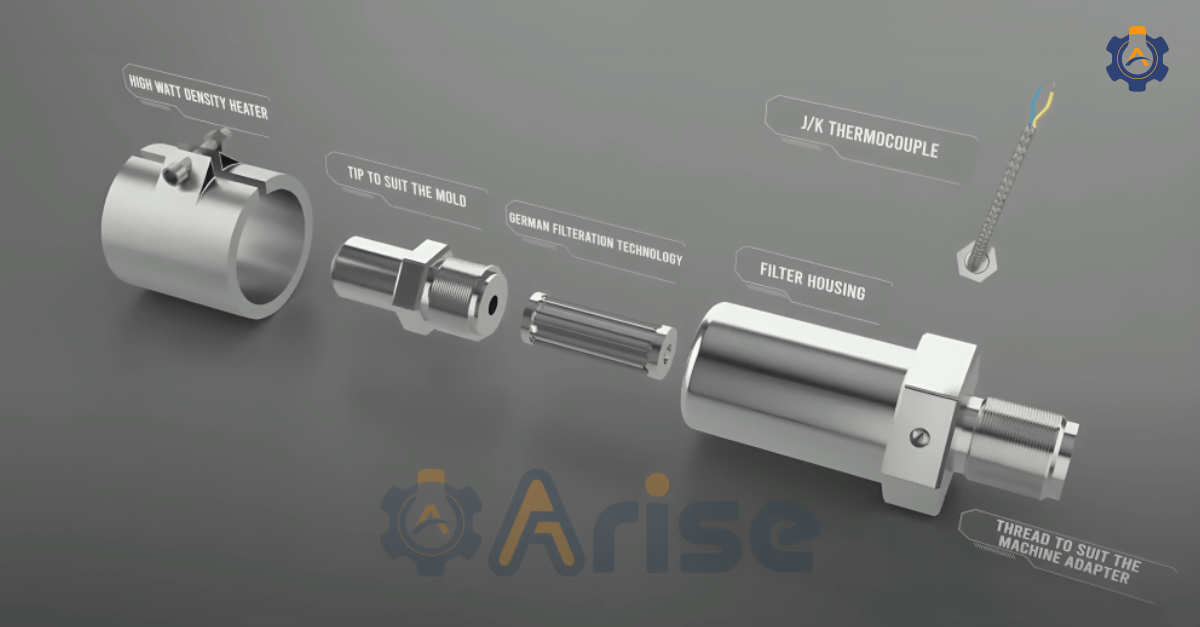
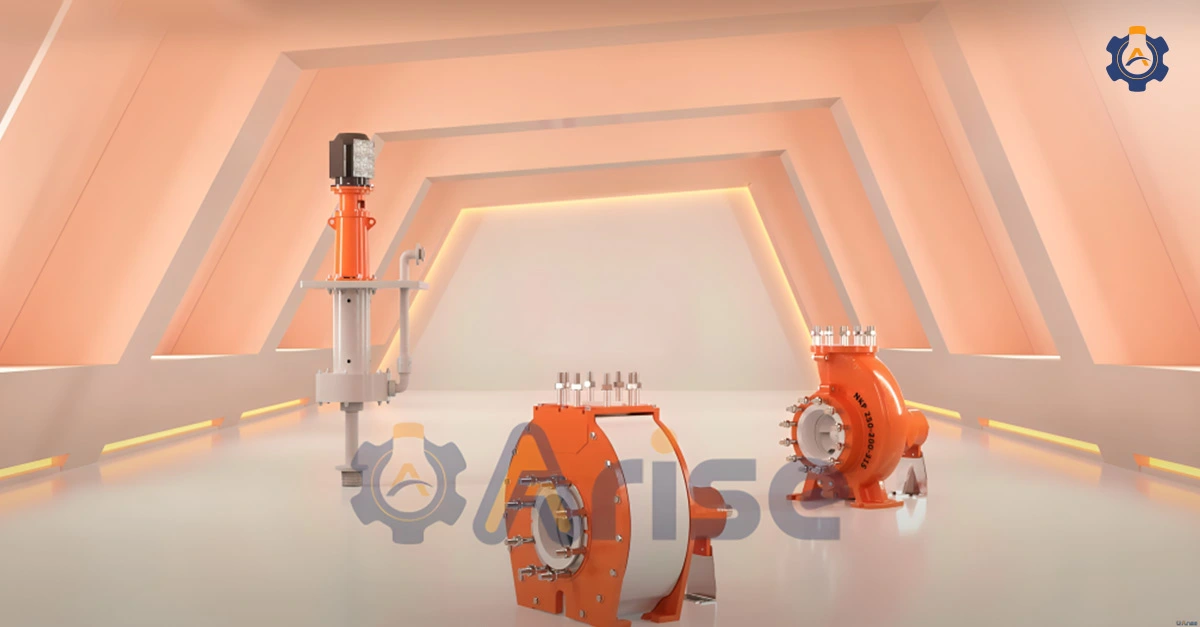
What 3D does here: A pharma machinery demonstration built in 3D can show a machine’s internal components in full detail, animate its mechanism of action, highlight its compliance-relevant features, and demonstrate its operational sequence, all without needing the physical unit present. Cross-sectional views, exploded assemblies, and animated cutaways give decision-makers exactly the level of detail they need.
3.3 Operator training and SOP communication
The problem it solves: Standard Operating Procedures (SOPs) in pharmaceutical manufacturing are legally required, operationally critical, and chronically underperforming as training tools. Text-heavy, diagram-light SOP documents don’t give operators the spatial context they need to execute complex procedures confidently, especially procedures involving reactor charging, aseptic handling, valve sequencing, or DCS/PLC operation.
What an animated training video delivers: An animated training video recreates the actual plant environment, the real equipment, and the correct operational sequence in 3D, so operators aren’t learning from abstract diagrams. They are rehearsing in a virtual replica.
3.4 Pharma plant and facility walkthroughs
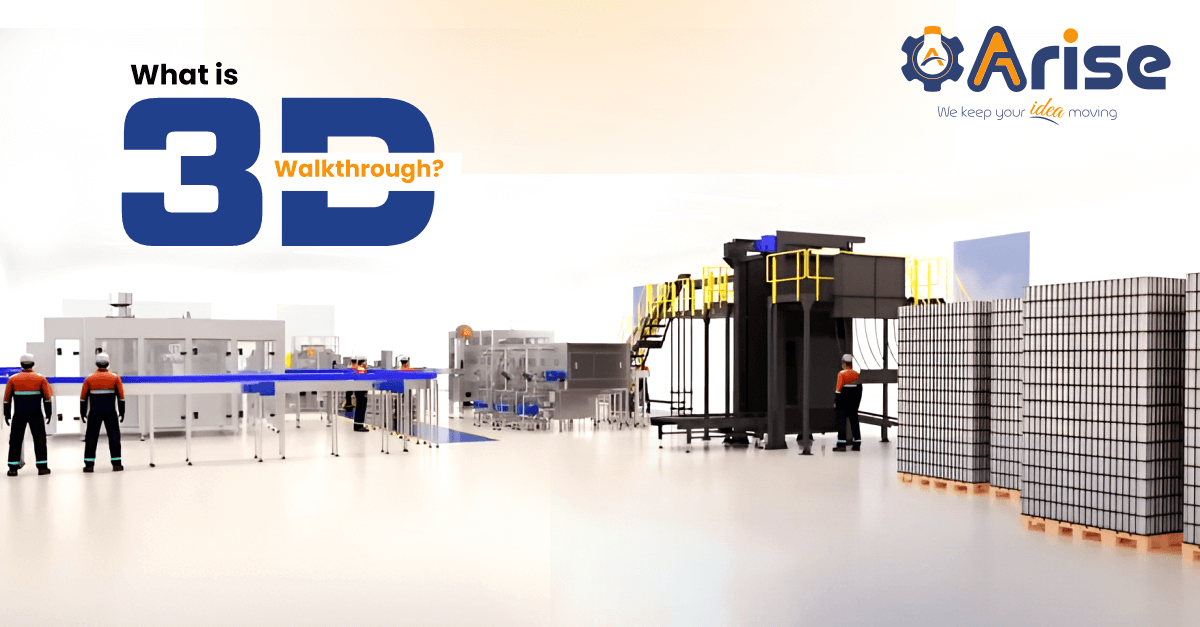
The problem it solves: A pharmaceutical facility is one of the most complex built environments in manufacturing, with segregated zones, classified cleanrooms, dedicated HVAC systems, material airlocks, and stringent GMP layout requirements. Explaining or selling that facility to someone who isn’t standing in it is genuinely difficult.
What a walkthrough animation delivers: A 3D pharma plant walkthrough creates a photorealistic, navigable virtual tour of the entire facility, every zone, every piece of equipment, every process flow path that any stakeholder can experience from anywhere in the world.
3.5 Sales and tender support
The problem it solves: A pharma tender submission is not just a document; it’s a competitive argument. The buyer evaluating three or four proposals isn’t just looking at specifications; they are trying to visualize which supplier actually understands the job and can deliver it reliably. Most submissions look alike on paper. The ones that win look different in the room.
What 3D does for tenders and proposals: Embedding a 3D animation in a tender or sales proposal does something that a written specification cannot remove complexity. Instead of asking the evaluator to imagine your process, your facility, or your equipment, you show them exactly what it looks like, how it works, and why it performs the way it claims to.
3.6 Exhibition and trade show content
The problem it solves: At a pharmaceutical trade show – CPHI, AAPS, ISPE, or any regional industry event, you have roughly three to five seconds to pull an attendee away from the noise and into your booth. A static banner and a brochure won’t do it. Neither will a salesperson delivering a verbal pitch to someone who’s already walked past 60 other booths.
What 3D animation does at a trade show: Large-format 3D animations playing on LED displays or projection screens do something no other booth element can – they stop people.
A visually precise, high-motion animation of your facility, your equipment, or your manufacturing process is both immediately engaging and highly informative. It communicates technical credibility without requiring a conversation to start first. An attendee who watches for 30 seconds has self-qualified — they are worth the conversation.
Simplify complex pharma processes with clear, step-by-step 3D visualisation. Let our experts help you bring clarity to every stage.
Book a Consultation
What to Expect When You Work with a Technical Animation Studio
A well-structured technical animation project for the pharmaceutical industry follows a clear sequence:
1. Discovery and brief
The studio needs to understand not just what you want to show, but who will see it, what decision it needs to support, and what technical constraints apply.
2. Asset intake
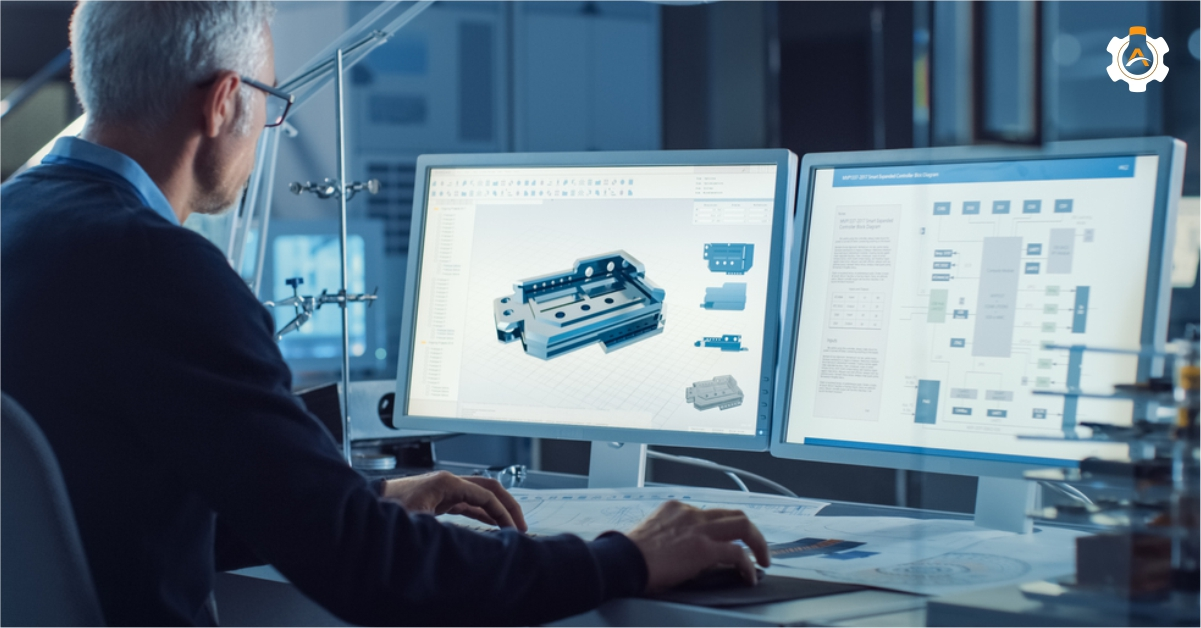
Most technical animation projects in pharma begin with existing CAD data — 3D equipment models, plant layout drawings, P&IDs, or facility floor plans.
A technically capable studio will be able to work directly with your engineering files rather than rebuilding geometry from scratch. Arise3D accepts all major CAD formats and builds animation directly from client-supplied technical data, which preserves accuracy and reduces project timelines.
3. Production and review cycles
Good technical animation studios build structured review rounds into the project timeline, typically two to three formal feedback cycles before delivery. This is not an extra cost, it’s built into the production process because getting the details right in pharma matters.
4. Delivery and formats
Final animations should be delivered in formats compatible with your intended use: MP4 for presentations and web, broadcast-quality renders for exhibitions, and adaptable source files if the animation may need to be updated as your facility or equipment evolves.
Arise3D has built its practice specifically around industries getting the best ROI from technical 3D animation — manufacturing, pharma, heavy engineering, and industrial processes. That focus means the team already understands the language, the constraints, and the communication standards that pharma clients require.
FAQs
1.) How long does a pharma industry animation project typically take?
A standard 60 to 90-second pharmaceutical animation typically takes 6 to 10 weeks. This includes scriptwriting, storyboard approval, 3D modeling from CAD, and final rendering, ensuring absolute scientific and technical accuracy at every stage of the funnel.
2.) What CAD formats do you accept for pharma equipment projects?
Arise3D accepts most industry-standard formats, including STEP (.stp), IGES (.igs), SolidWorks (.sldprt), and Inventor (.ipt). Working directly from CAD files ensures your pharmaceutical machinery is represented with 100% mechanical precision.
3.) What is 3D animation used for in the pharmaceutical industry?
3D animation is used across multiple functions in the pharmaceutical industry — including visualising manufacturing processes, demonstrating how equipment works internally, training operators on SOPs, presenting facility layouts to regulators and investors, and supporting tender submissions. It is particularly valuable wherever the critical process happens inside sealed systems or sterile environments that cannot be observed directly.
Conclusion
Pharmaceutical manufacturing is one of the most process-intensive industries in the world, and most of what makes it complex happens inside sealed systems, sterile chambers, and multi-stage workflows that no one outside the facility can see.
That invisibility is a real business problem. It slows down tender evaluations, complicates operator training, makes regulatory documentation harder than it needs to be, and limits how effectively your team can communicate what your facility or equipment actually does.
3D animation does not change what your process is. It changes whether the people who need to understand it actually can.
If you have a process to visualise, equipment to demonstrate, a facility to present, or a tender to support, we are happy to show you how we have approached similar projects. Arise3D works directly from your existing CAD files and technical documentation. Book a free consultation to see how we have approached similar projects