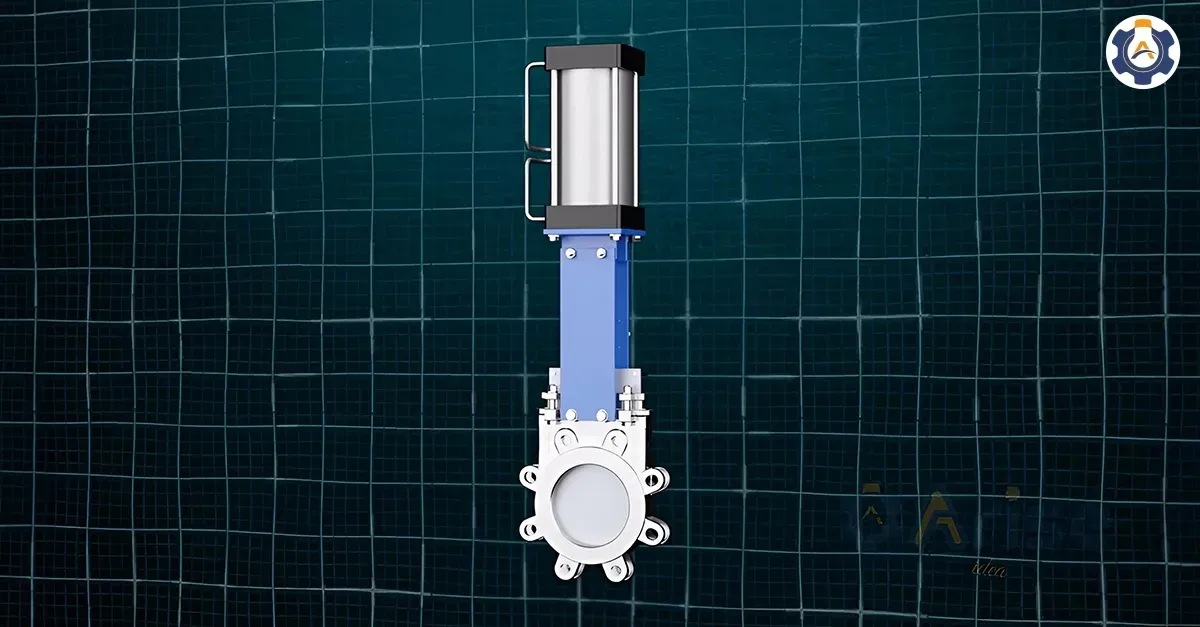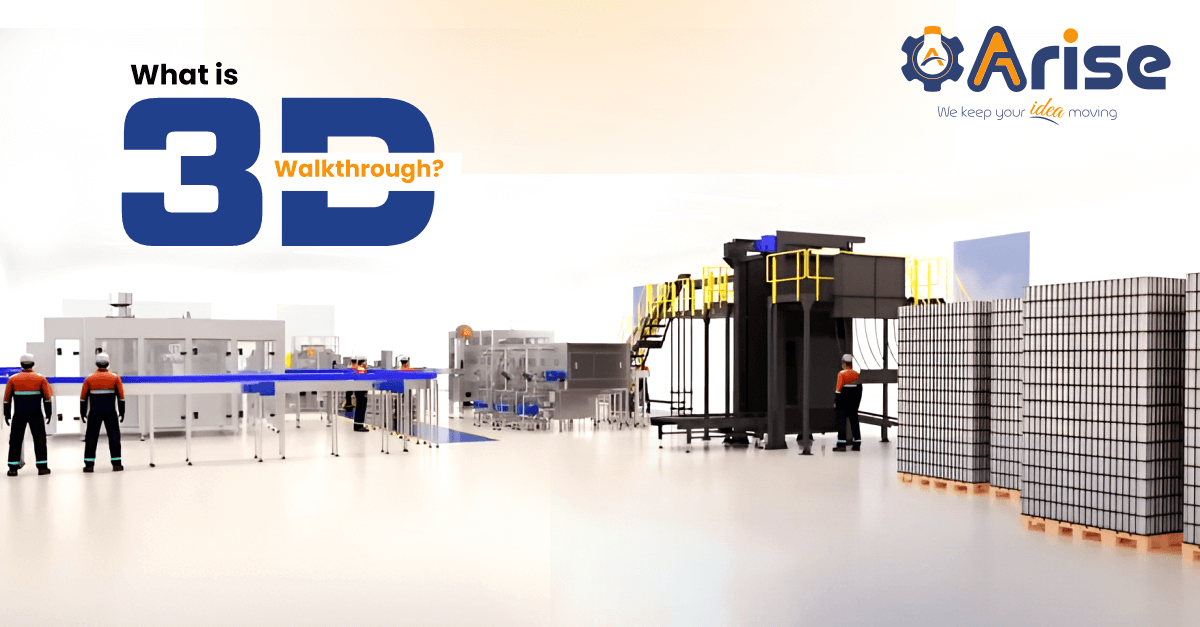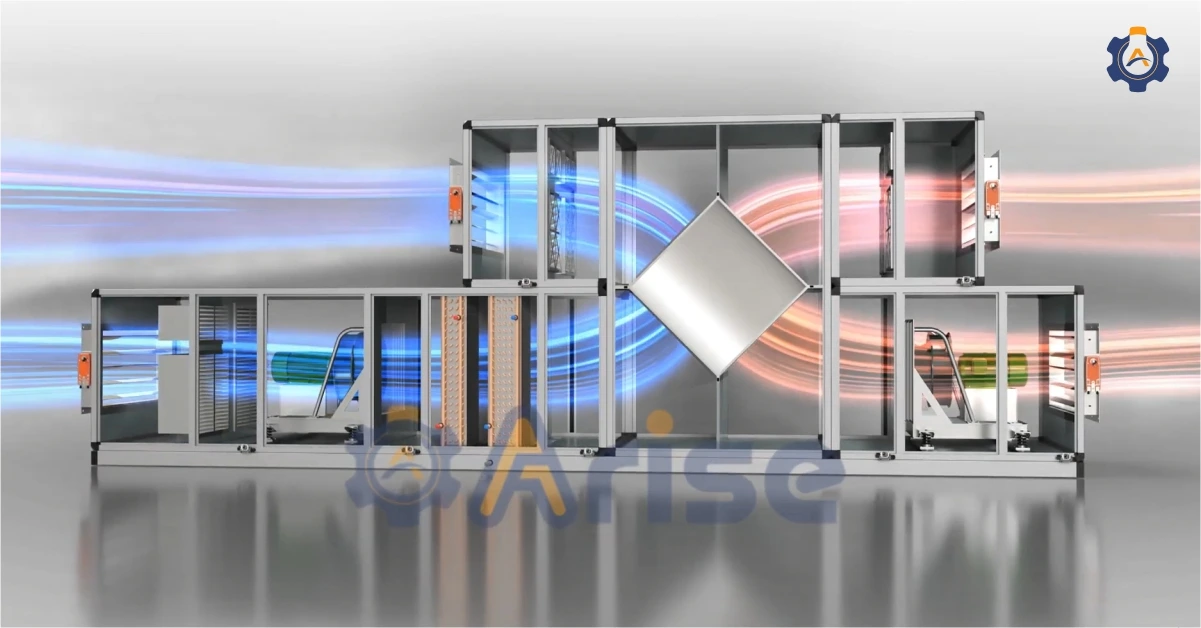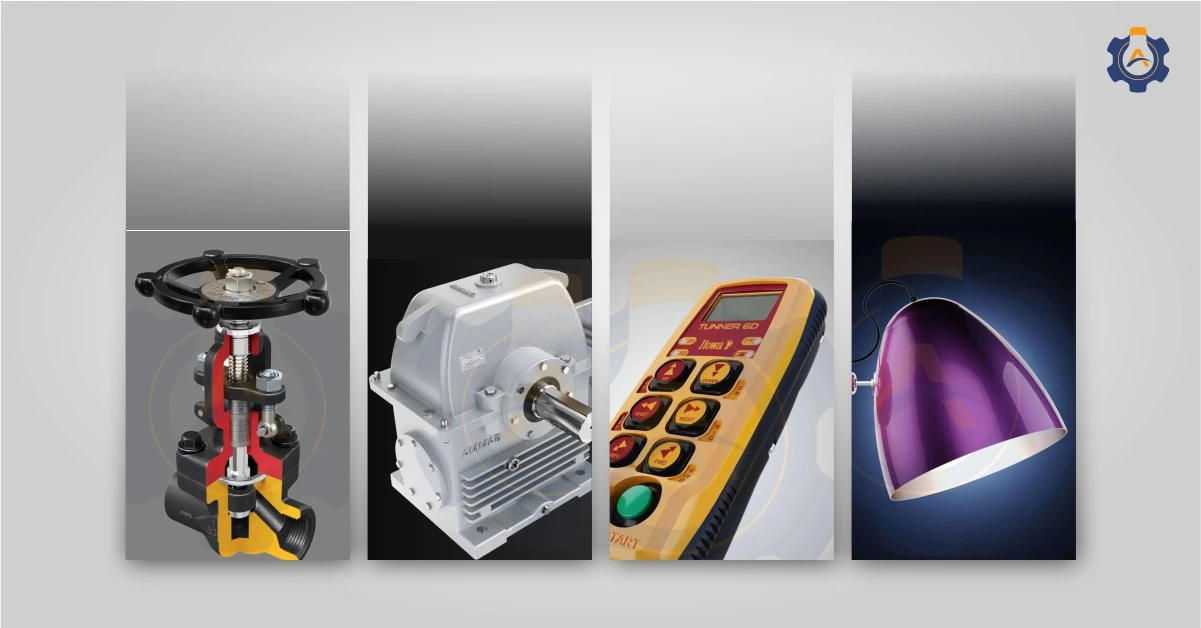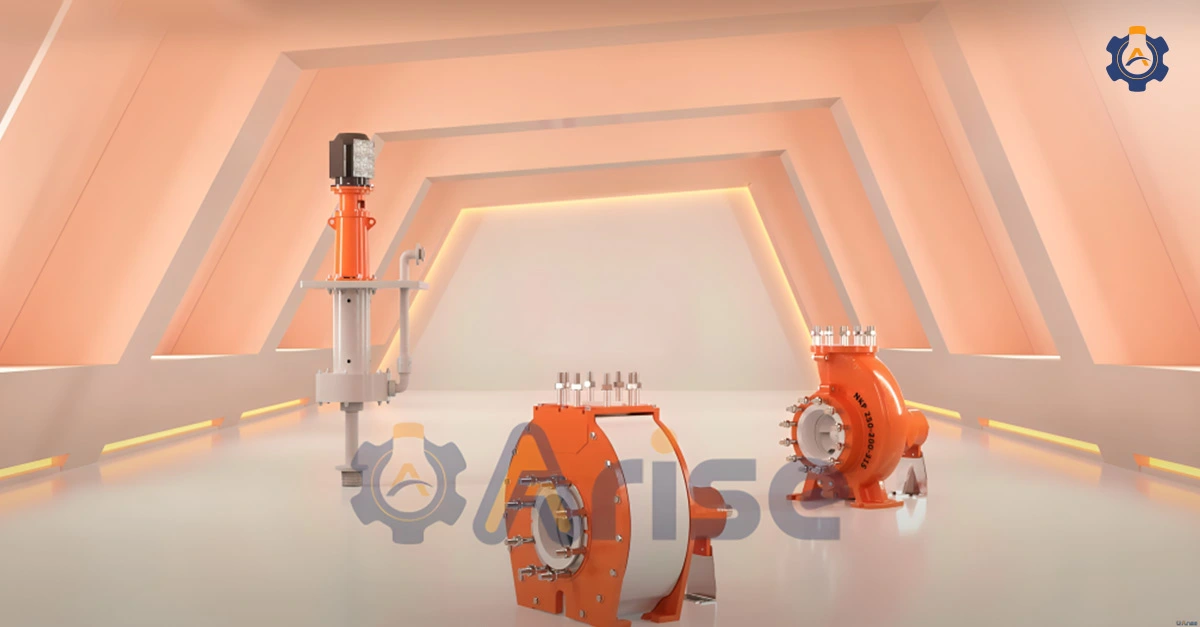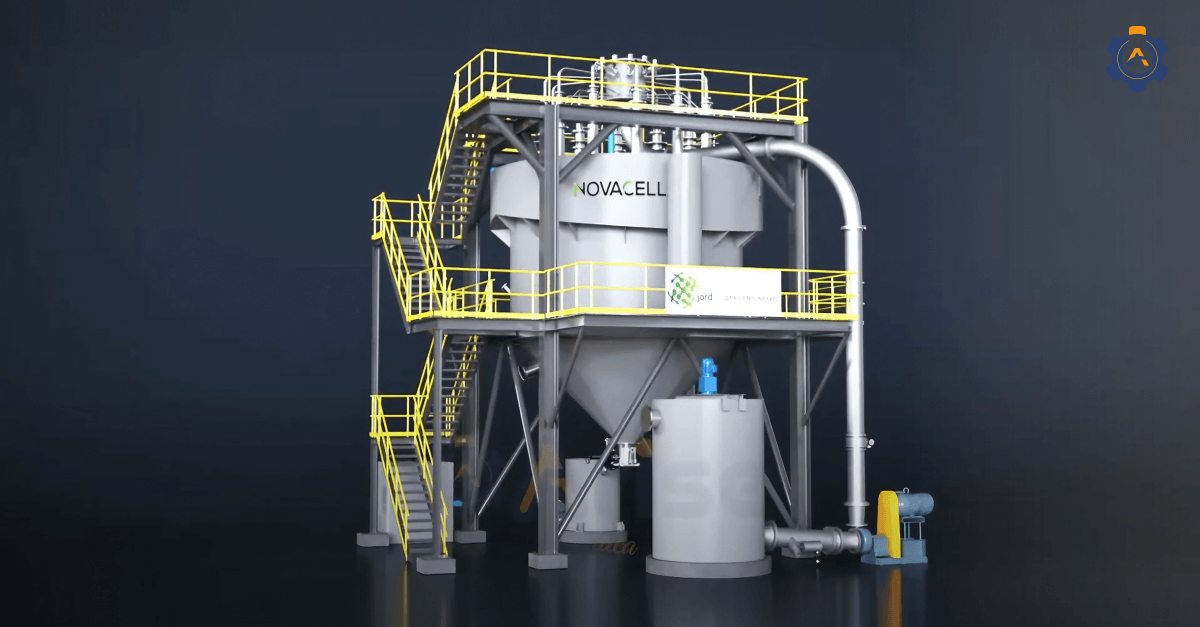
Technical products, machinery, or industrial processes cannot be fully understood by just looking at them.
Internal mechanisms, sequential operations, or material flow remain invisible no matter how many static images or diagrams you provide. This is where 3D technical animation becomes important.
Companies using 3D technical animation are creating a communication advantage. But is it worth the investment? We will analyze the quantitative and qualitative returns, providing you with the metrics to understand exactly where 3D technical animation ROI becomes visible in faster decision-making, fewer misinterpretations, and clearer communication across different industries.
Key-Takeaways
In 3D technical animation, ROI must be measured across sales efficiency, training cost reduction, support call volume, and brand equity, not just marketing engagement.
To prove ROI, you must establish clear metrics (current sales cycle length, support costs) before production begins.
Track KPIs relevant to your sector – Approval rates for oil & gas, error reduction for pharma, or win rates for industrial machinery.
High-quality technical animation serves multiple departments (sales, R&D support), creating compounding returns that far exceed its initial production cost, making it a game changer in B2B marketing and operations.
For most B2B firms, leveraging specialized studios like Arise3D for technical animation solutions delivers superior ROI compared to building an in-house team, due to lower overhead and access to specialized, world-class expertise.
What Does ROI Mean in 3D Technical Animation?
In the context of technical animation, ROI is the quantifiable financial gain derived from using 3D visual content against the total cost of production and implementation.
It encompasses hard ROI & soft ROI, hard ROI such as a direct percentage increase in sales conversion rates or a measurable reduction in customer support call volume. It also includes soft ROI, like enhanced brand perception as a market leader or the ability to win deals in new geographical territories where language barriers previously existed.
In a broader sense ROI includes:
Reduction in pre-sales engineering hours
Increased conversion from technical presentations
Reduced physical demo logistics cost
Improved training retention
Stronger investor confidence
Higher engagement in digital campaigns & trade shows
If your product is technically complex, ROI increases because clarity directly influences purchasing decisions.
Where 3D Technical Animation Delivers ROI in a Business
Sales & Marketing Integration:
This is the most immediate area.
High-level 3D animations shorten the sales cycle by allowing prospects to get complex machinery or processes in minutes. Instead of relying on static PDFs or lengthy explanations, your sales team uses a compelling visual narrative, effectively becoming a game-changer in B2B marketing strategy. The ROI here is measured in increased win rates and faster deal closures.
Best for – Trade shows, exhibitions, etc., where transporting machinery/ equipment is difficult or not possible.
Training & Development:
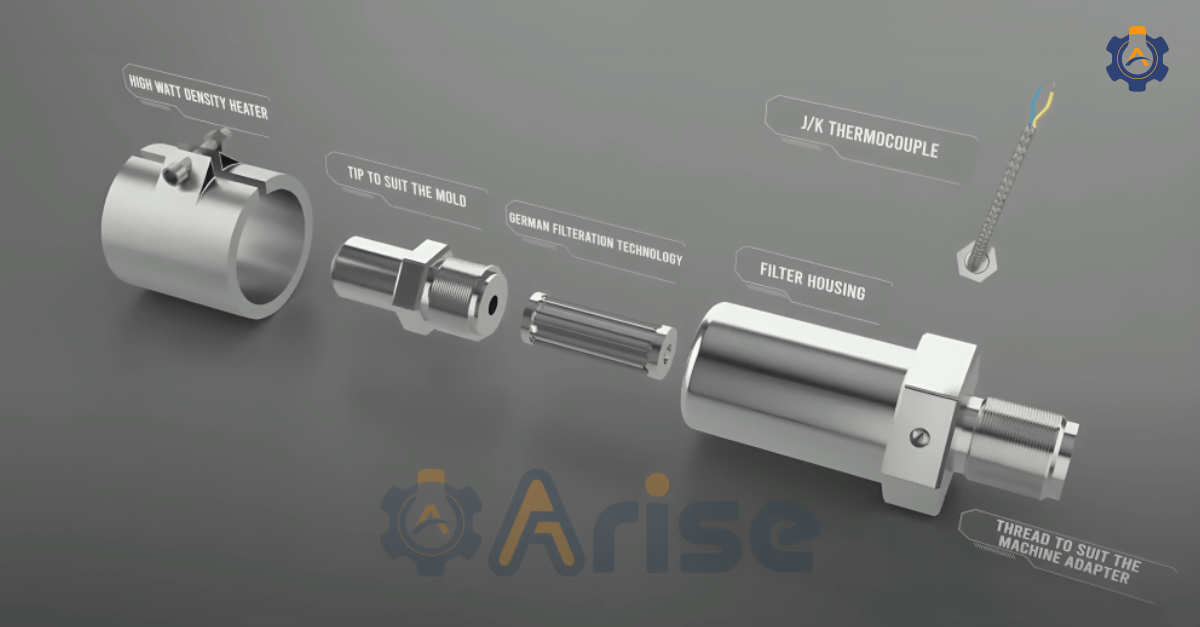
Onboarding new workers or distributors on complex equipment is costly. 3D technical animations break down intricate assemblies into digestible visual steps. This reduces the time-to-competency for new hires and minimizes the risk of operational errors, directly impacting cost savings.
Ready to boost sales and reduce training time with 3D technical animation?
Get in Touch
After-Sales Support & Maintenance:
Imagine reducing the volume of field service visits by providing customers with interactive maintenance guides or animated videos explaining spare parts. This not only improves customer satisfaction but also drastically cuts down your operational support costs.
Research & Development (R&D):
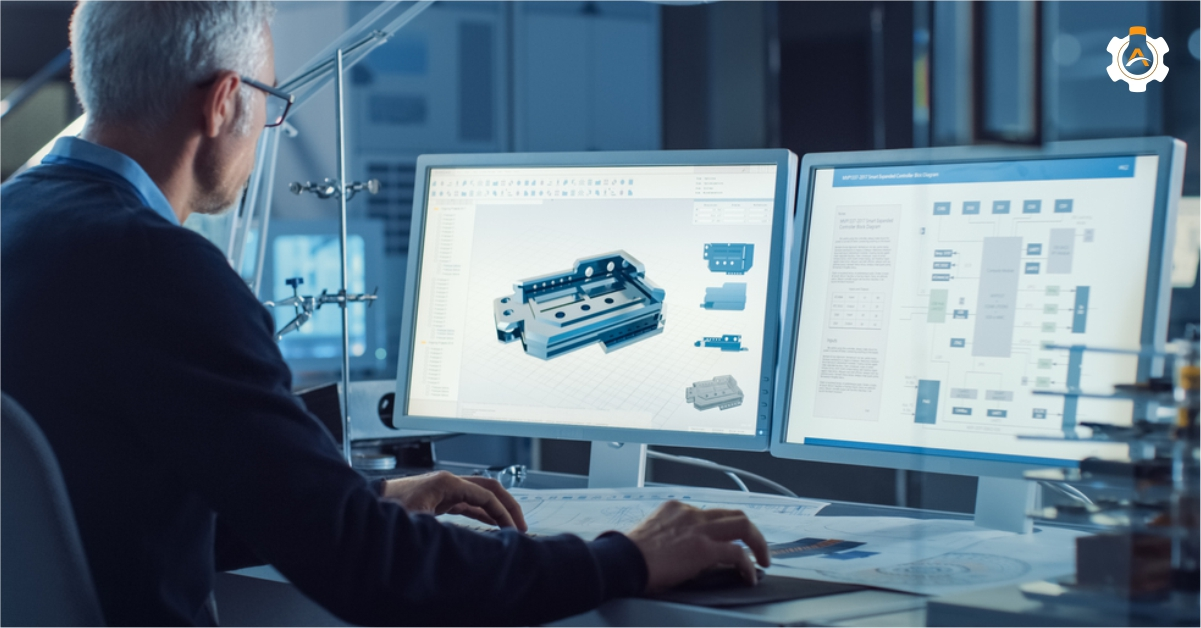
Before a physical prototype is built, 3D animation can simulate assembly processes, mechanical movements, and potential points of failure. This “virtual prototyping” saves immense costs in materials and engineering hours, offering a massive early-stage ROI.
Investor Presentations:
When investors evaluate a technically complex product, they are not only assessing market size. They are assessing execution risk, scalability risk, and engineering feasibility. If your product requires layered explanation, internal mechanism walkthroughs, or process clarification through static slides, perceived risk increases.
3D technical animation reduces that uncertainty brilliantly.
Industries Getting Best ROI from 3D Technical Animation
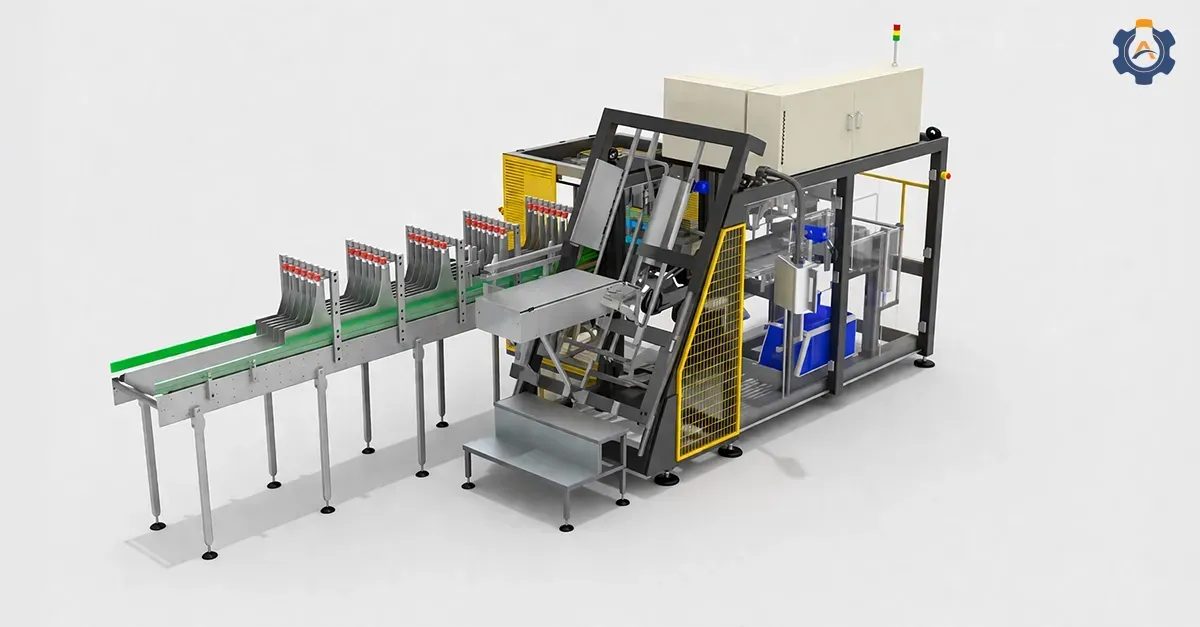
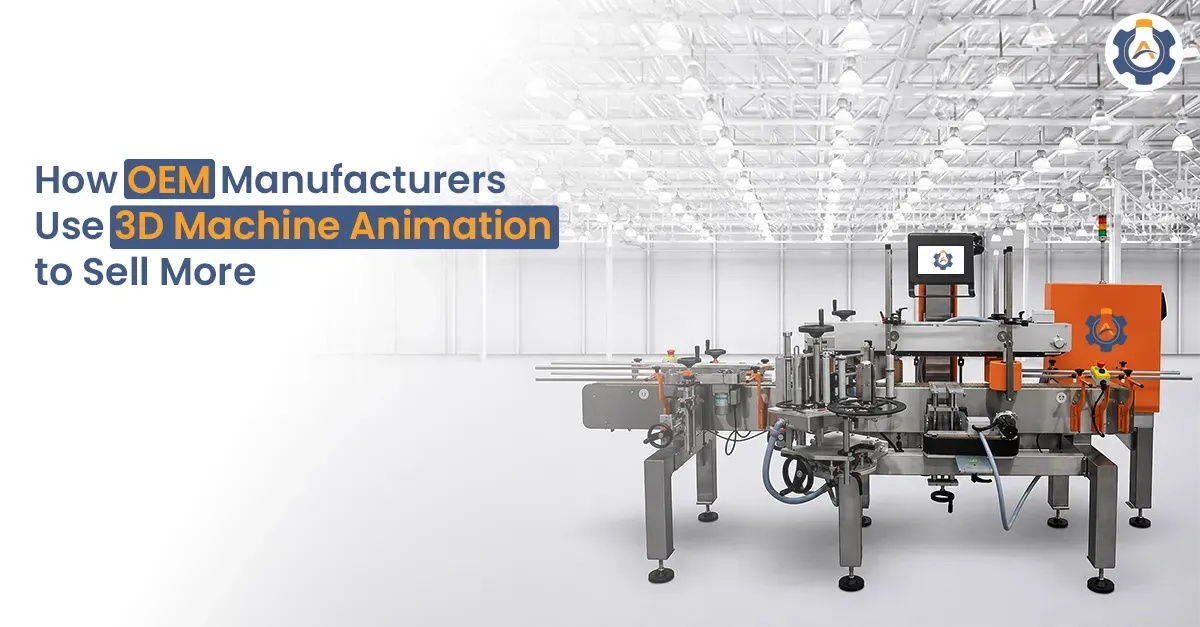
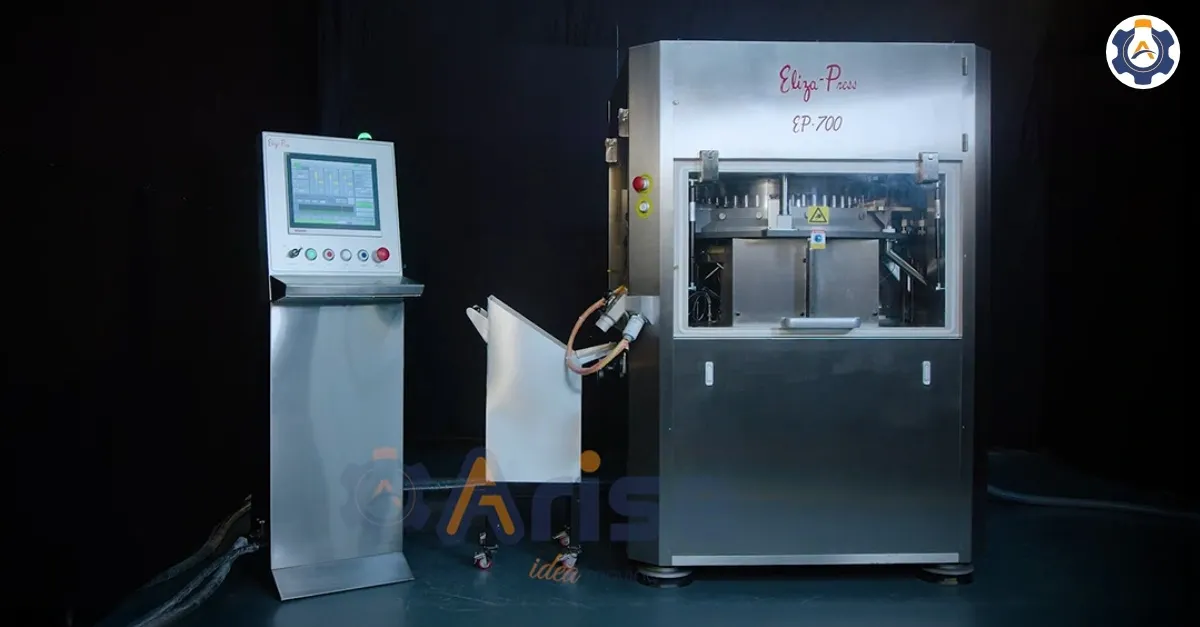
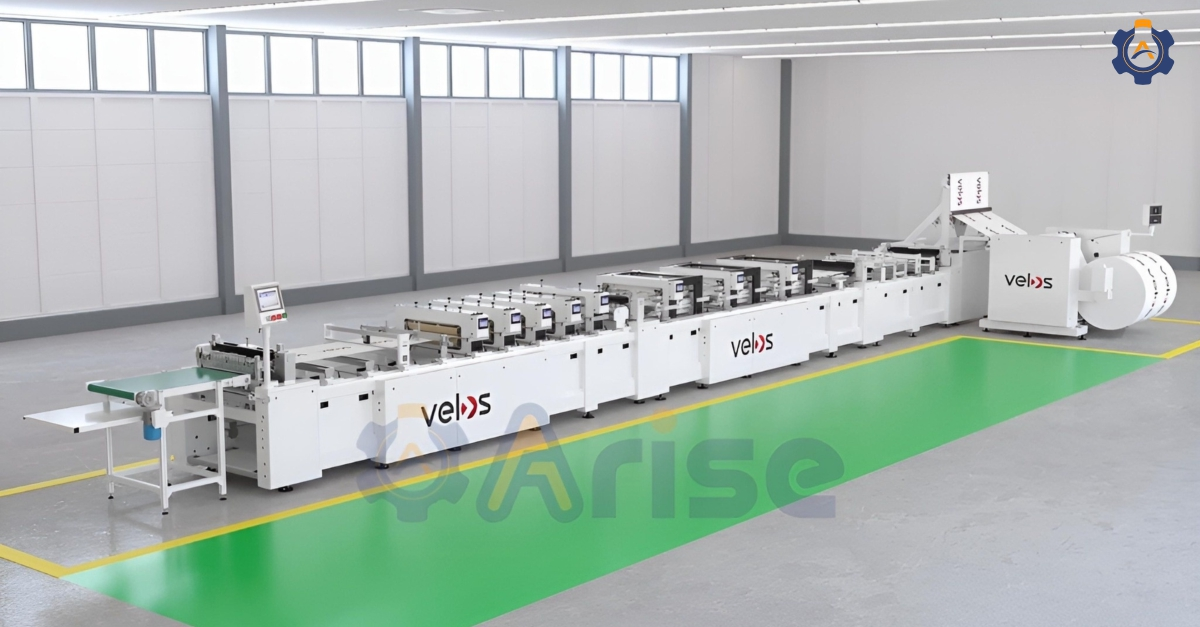
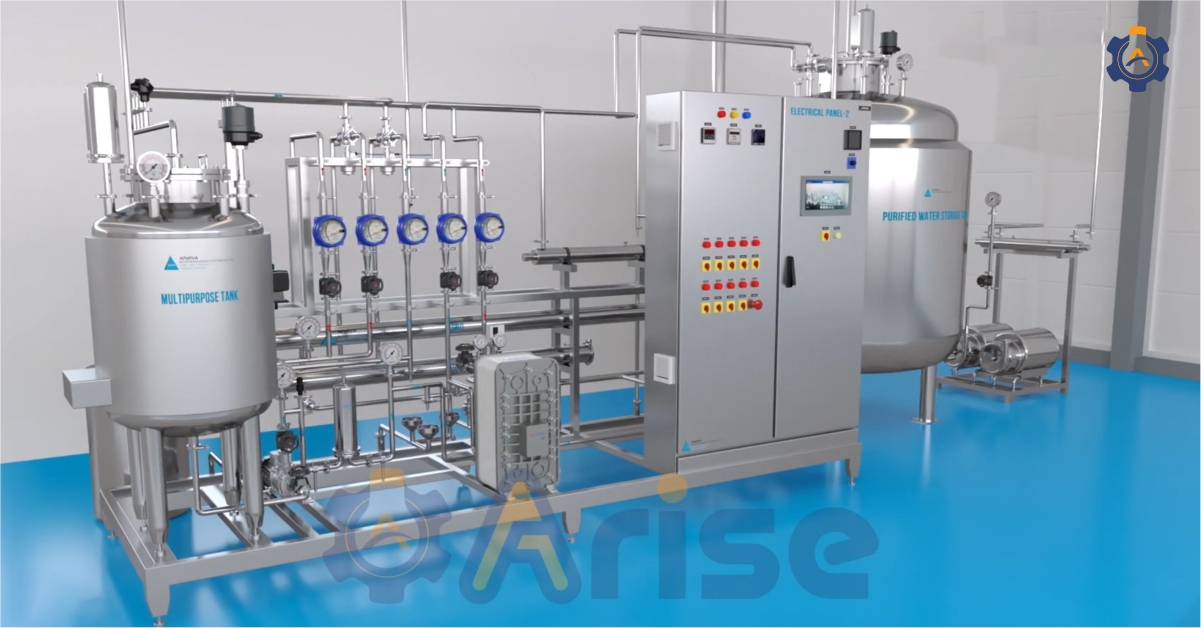
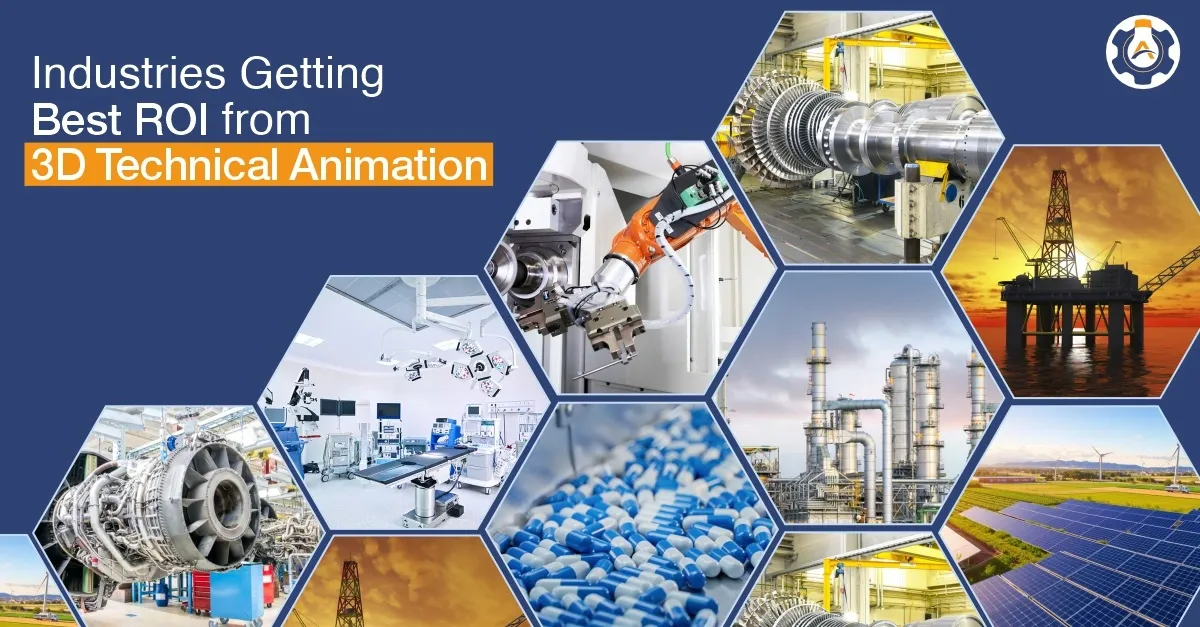
Industrial Machinery & Machine Tools: For manufacturers of CNC machines, packaging lines, or heavy press machines, 3D machine animation is the only way to show internal mechanisms and production workflows. The ROI is seen in reduced demonstration costs and the ability to sell to global clients without shipping heavy machinery.
Oil & Gas / Energy: Explaining subsea extraction processes or refinery operations to stakeholders, regulators, or investors is a challenge. Animation simplifies these high-stakes, high-cost environments, ensuring safety protocols are understood and projects get approved faster.
Pharmaceuticals & Healthcare: From drug delivery devices to lab equipment and surgical tools, accuracy in communication is essential. 3D animation brings these products to life, showing exactly how they function, how they are assembled, and how end users interact with them so medical professionals and channel partners understand the product completely before it reaches the market.
Aerospace: Aircraft systems, engine assemblies, and avionics integration involve layers of complexity that text and static drawings struggle to convey. 3D animation makes these visible, showing part relationships, maintenance sequences, and operational behavior in a format that engineers, assemblers, and airline operators can absorb quickly and accurately.
Ready to unlock higher ROI in your industrial market?
Schedule a Consultation
Have a look at – 7-best-technical-animation-videos-examples
Key ROI Metrics Across Industries
Sales cycle length: Weeks/months saved from first contact to closed deal
Win rate: Percentage increase in proposals that convert
Training time: Days cut from new operator onboarding
Support tickets: Volume reduction in installation and usage questions
First-time fix rate: Fewer repeat visits for field service teams
Warranty concerns: Costs avoided from user-error failures
Prototype builds: Physical iterations eliminated before final design
Approval speed: Stakeholder sign-off accelerated
Change orders: Rework avoided through clearer scope communication
Customer time to value: Days from delivery to full utilization
Our Work: Real-World 3D Technical Animation Projects
Ready to increase conversions, reduce costs, and shorten sales cycles?
Connect With Our Team
How to Measure ROI Before Investing in a 3D Animation?
Return on investment is not something you calculate after the project finishes. It is something you establish before it begins. If you cannot define what success looks like on day one, you will not be able to measure it on day ninety.
Step 1: Audit Your Current Technical Communication Gaps
Start with these questions:
1. How many support calls or emails does your team receive each month that ask basic questions about installation, operation, or maintenance? If someone needs to understand technical 3D animation later as a solution, you first need to quantify the problem it will solve.
2. What is the average time it takes for a new distributor, technician, or customer to fully grasp how your product/machine/equipment functions? Track this in days or weeks.
3. How many physical prototypes did you build in the last twelve months simply to show internal movement or assembly sequence to internal teams or external partners?
4. When your sales team presents your product, how many follow-up meetings are required before the other party confirms they fully understand what you are offering?
Step 2: Define the Specific Role of the Animation
Not every animation serves the same purpose. You must be clear about what this specific piece of content will do. This clarity determines how you measure success later.
Ask yourself:
1. Is this animation meant to reduce support volume by showing end users how to maintain the equipment? If yes, your ROI metric is a percentage reduction in support tickets.
2. Is this animation meant to help your sales team communicate complex assembly or function during presentations? If yes, your ROI metric is a reduction in the number of meetings required to close.
3. Is this animation meant to replace physical prototypes for internal testing or external demonstration? If yes, your ROI metric is hard cost savings in materials and engineering hours.
4. Is this animation meant to be the best choice to market your product to new geographic regions where language barriers exist? If yes, your ROI metric is the speed and cost of market entry compared to traditional translation and travel.
Step 3: Set Specific, Measurable Targets
Examples of measurable targets:
1. Reduce product-related support calls by twenty percent within six months of the 3D animation being published on your support site.
2. Decrease the average sales cycle for your most complex product line from fourteen days to nine days by equipping the sales team with a shared visual reference.
3. Eliminate three physical prototype builds in the coming year by using animation for internal motion studies and external stakeholder reviews.
4. Cut new distributor onboarding time from three weeks to one week by providing animated assembly and maintenance guides.
5. Write the target down. Share it with your animation partner. Make sure everyone agrees on what success looks like before 3D animation begins.
Step 4: Calculate Total Investment and Projected Return
Total investment equals the production cost from your chosen partner plus the internal hours your team will spend reviewing drafts and providing technical input.
Projected return equals the dollar value of achieving the targets you set in Step 4.
If your target is reducing support calls by 20% and each support call costs your company $50 in paid time, calculate the annual savings. If your target is shortening the sales cycle and each week saved means your team can pursue three additional opportunities, calculate the revenue potential of those opportunities.
Compare the two numbers. If the projected return does not clearly exceed the total investment, something is wrong. Either the target is too unassuming, the investment is too high, or the 3D animation is being assigned to the wrong person.
Ready to align your ROI goals with the right animation partner?
Contact Us
FAQs
1.) Which industries benefit most from 3D technical animation?
Industries with high technical complexity, long sales cycles, and capital-intensive outcomes benefit the most from 3D technical animation.
2.) How does 3D technical animation increase sales in industrial companies?
3D technical animation increases sales by reducing technical complexity during the buying process.
3.) How does 3D technical animation increase ROI?
3D technical animation increases ROI by impacting three core financial levers: revenue, cost, and risk.
Conclusion
3D technical animation does not add anything new. It highlights what was already there – the intent, the functional logic, the sequence of assembly or operation, and puts it in front of the right eyes in a form they can use immediately. That is not a marketing expense. That is closing a gap between what you built and how it is understood.
At Arise3D, this is exactly what we do every day. For the past 10+ years we have been working with companies that have complex products, machinery, equipment, medical devices, and aerospace systems. When you work with us, you are not getting a 3D animated video. You are getting a technical communication method designed to perform.