Today, skilled 3D animators are hard to find, software licenses are expensive, and even average talent comes with high salary expectations. On top of that, there is constant pressure to keep up with new tools, manage heavy rendering timelines, and handle client revision cycles. All this is making in-house production slow, stressful, and unsustainable.
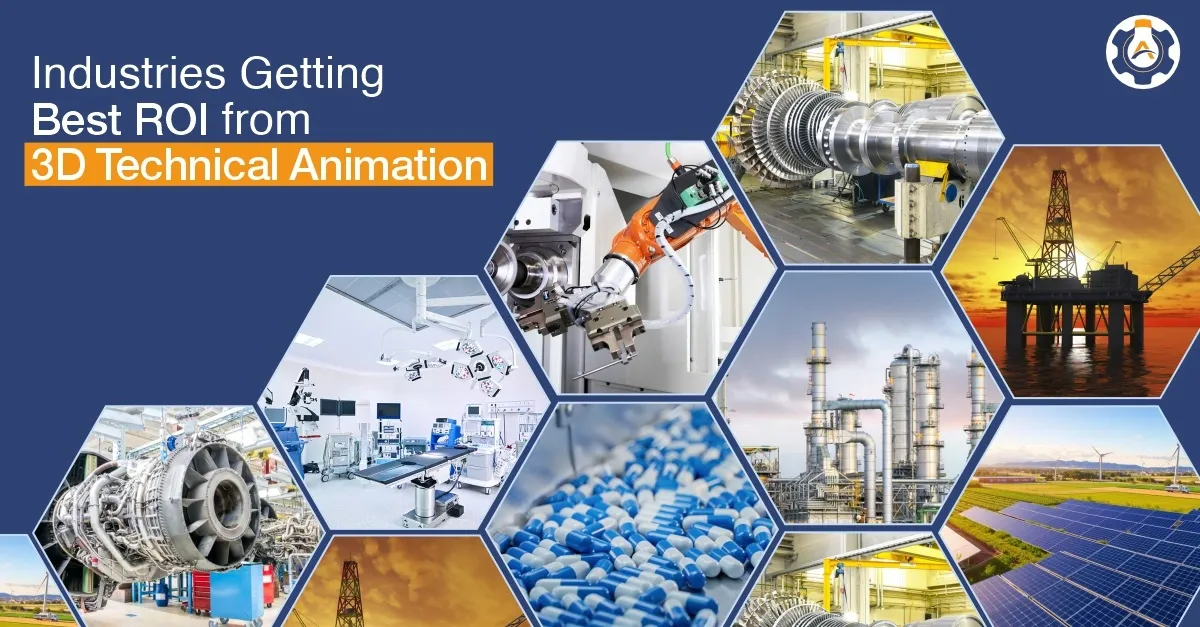
That is why now more and more companies are choosing to outsource 3D technical animation, especially in industries such as manufacturing, engineering, pharma, and oil & gas, where 3D technical animations have become more than a necessity.
3D technical animation is a functional tool used to explain complex machinery, demonstrate product workflows, simplify training, and support high-value proposals.
3D technical animation delivers unmatched clarity. It shortens sales cycles, improves understanding, and boosts credibility without relying on static images, normal video explanation, or detailed presentations.
It is about focus, which sometimes lacks when it comes to in-house animation teams because they often struggle with speed, quality consistency, and long turnaround cycles.
On the other hand, outsourcing provides access to specialized talent, faster delivery, and a flexible cost structure, allowing internal teams to stay focused on core operations.
This blog will explain why many companies are moving away from in-house animation and how outsourcing helps them save time, cut costs, and stay one step ahead of their competitors!
What Is 3D Technical Animation?
3D technical animation is a powerful visual tool that uses computer-generated graphics to show how complex machines, systems, or processes work, step by step, in a real environment and in an accurate way.
Technical animation is typically used to simplify and explain things that are hard to describe with words, diagrams, or photos.
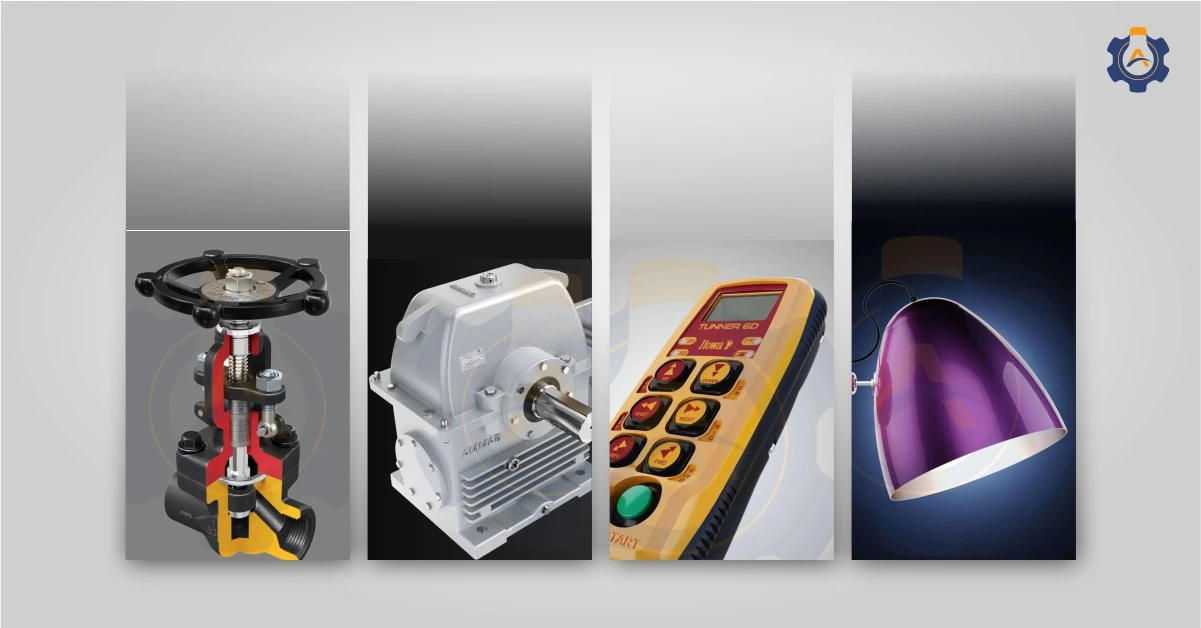
Unlike regular animations, 3D technical animation is built specifically for industries like manufacturing, engineering, mining, oil & gas, and pharmaceuticals. It helps companies show internal parts of machines, demonstrate workflows, or train teams on how something functions.
Why Do Companies Need 3D Technical Animation Today?
3D technical animation engages multiple senses- sight, hearing, and motion perception. It bridges the knowledge gap between your product and the customer’s clarity.
No matter how excellent your product is, it won’t deliver value until people understand it.
1) 3D animation shows how technology works without building a prototype
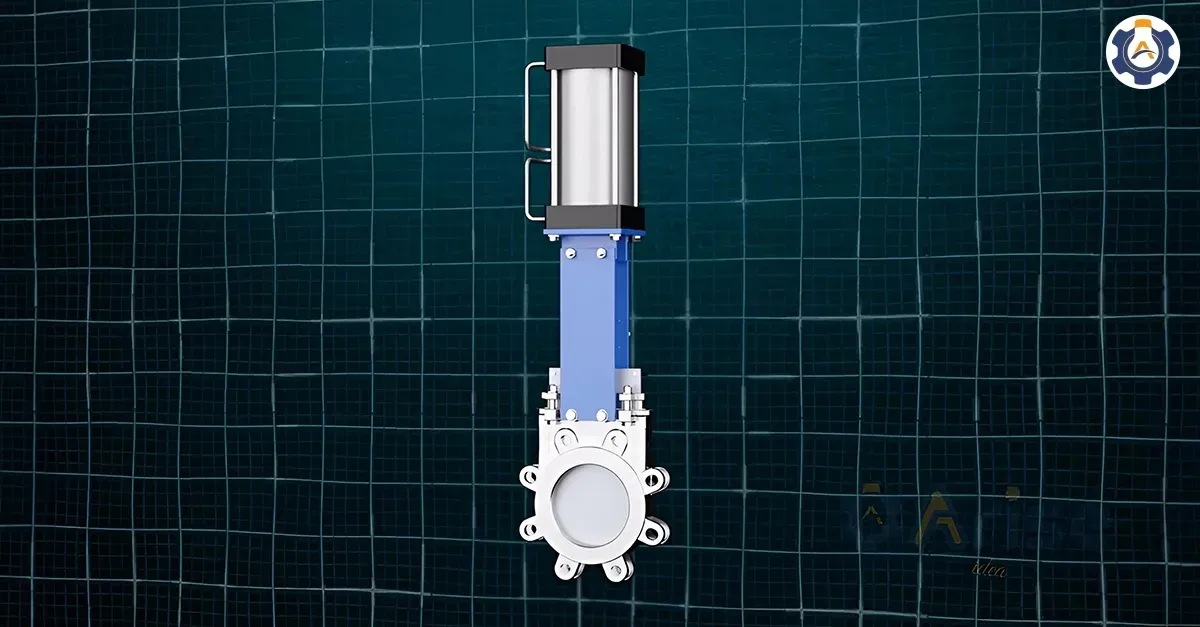
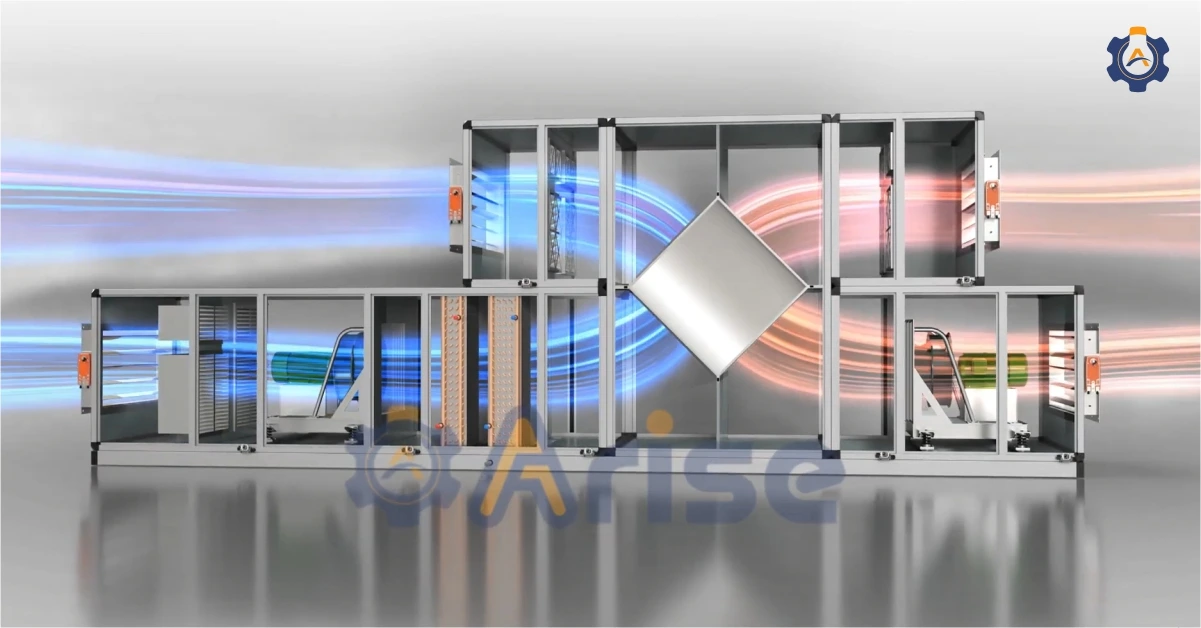
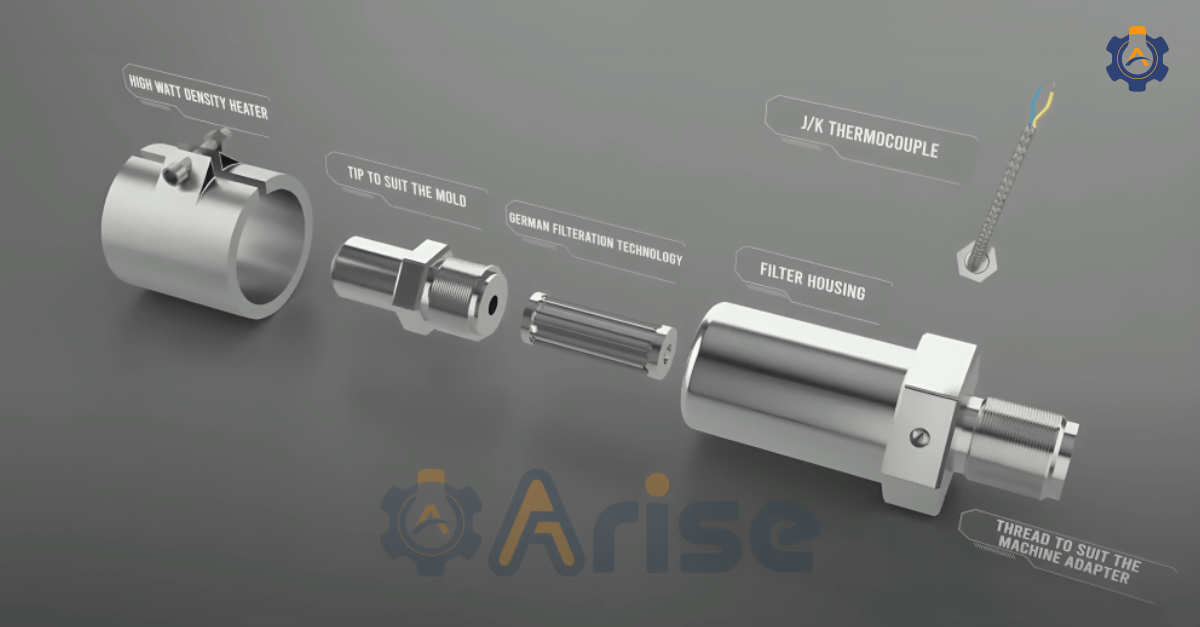
With high-definition visuals, exploded views, moving cutaways, and fluid simulations, companies can show what’s happening inside machines, systems, or structures, without needing a prototype or physical setup. This level of clarity helps customers, investors, or partners see the value and functionality of your solution in under a few seconds.
2) 3D technical animation visualizes industrial complexity easily
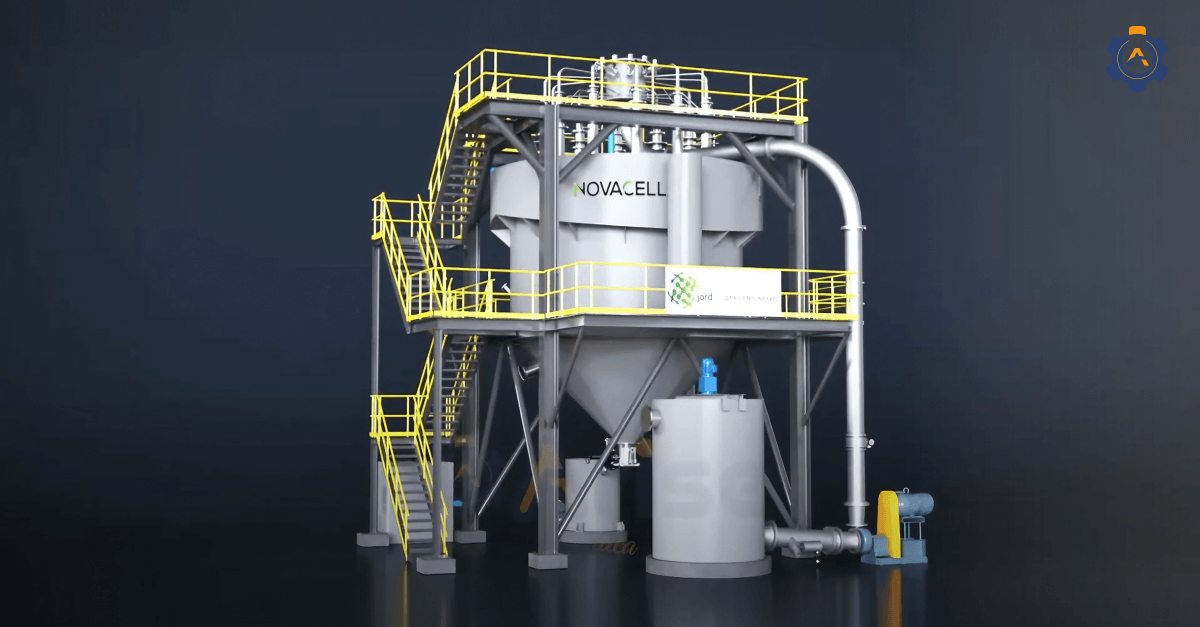
Industries like mining, oil & gas, manufacturing, and petrochemicals deal with operations that are either too dangerous, too large-scale, or too technical to show in real life.
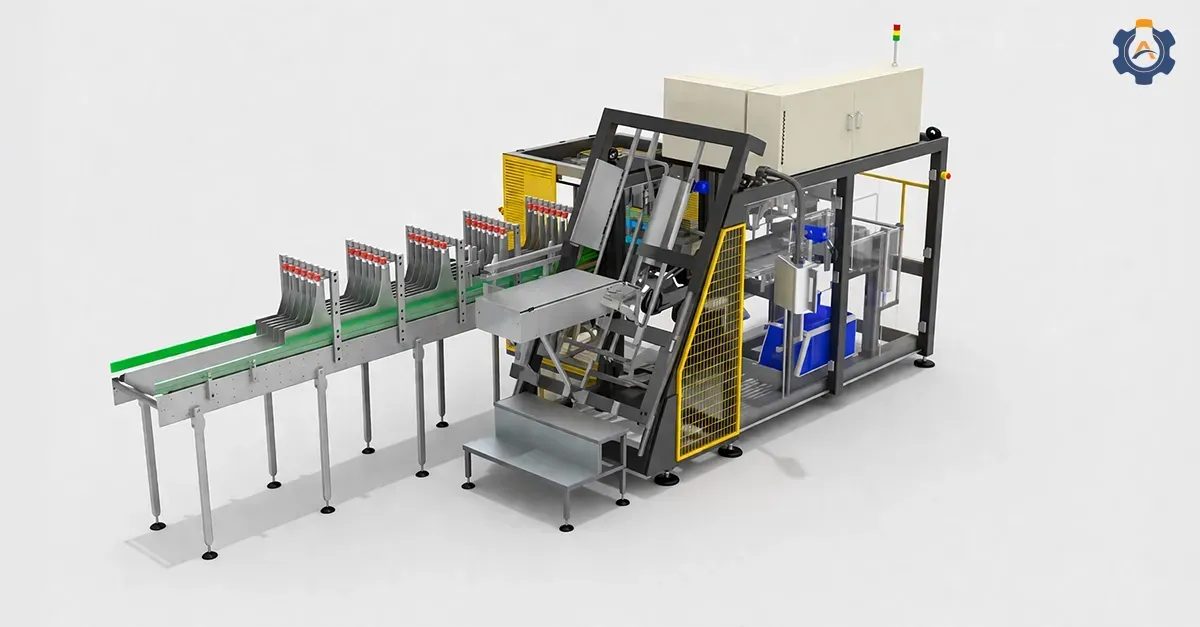
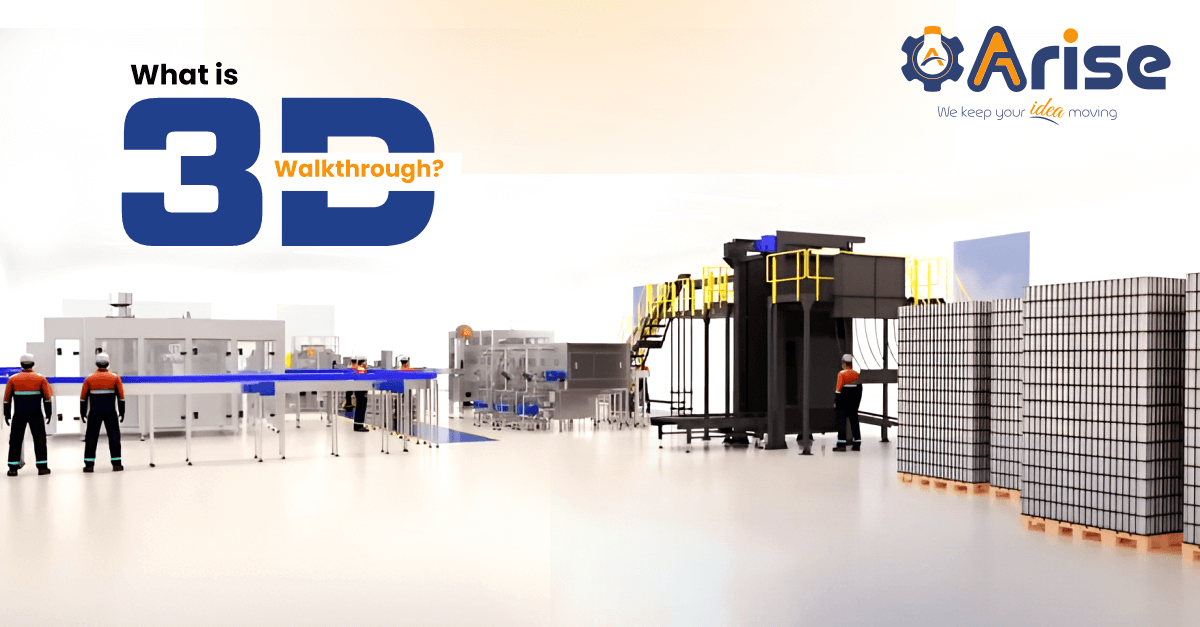
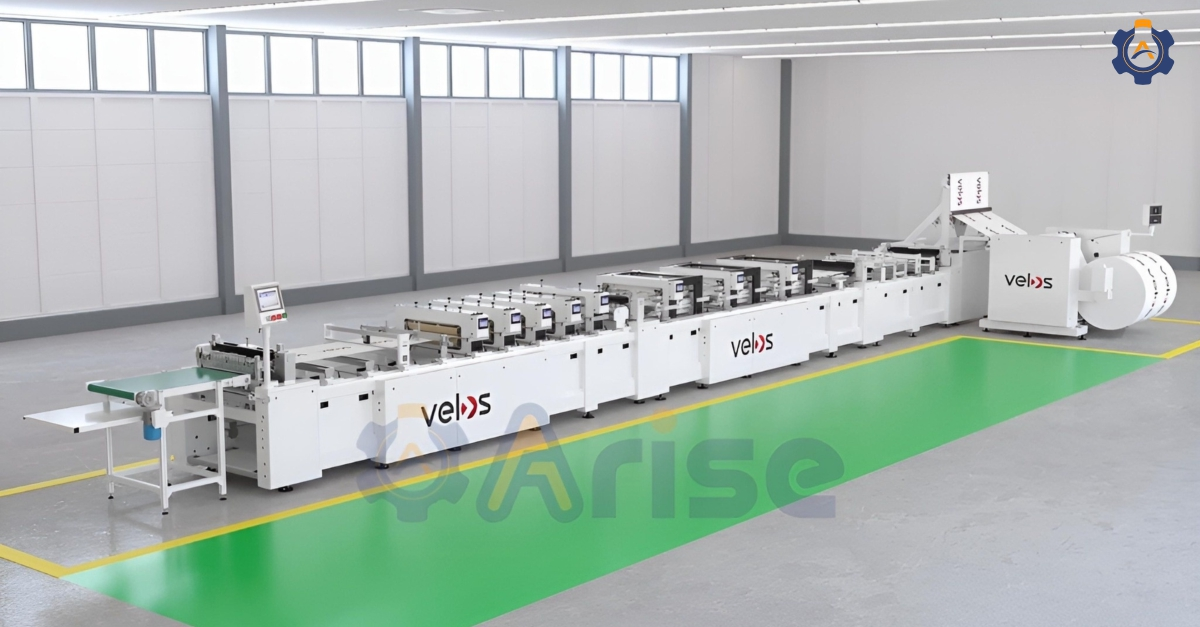
For example, a manufacturing company can showcase the entire working of an assembly line automation without stopping production. In the petrochemical industry, animations can demonstrate complex distillation or cracking processes, something impossible to visualize during operations.
Oil and gas companies can simulate emergency shutdown procedures to improve both training and investor clarity.
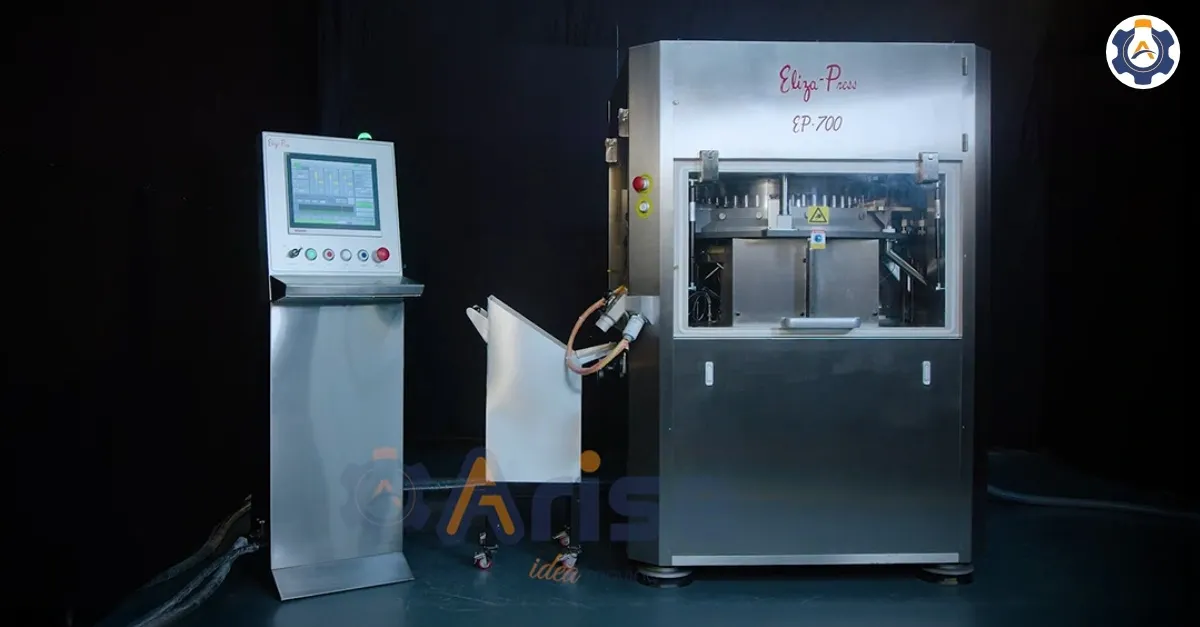
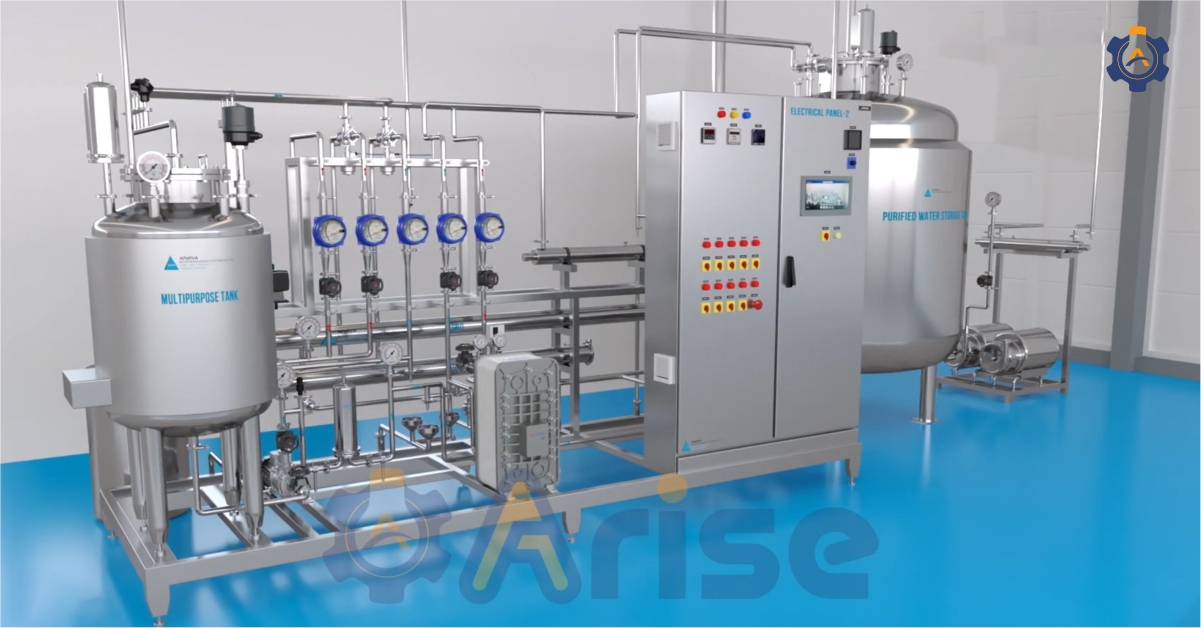
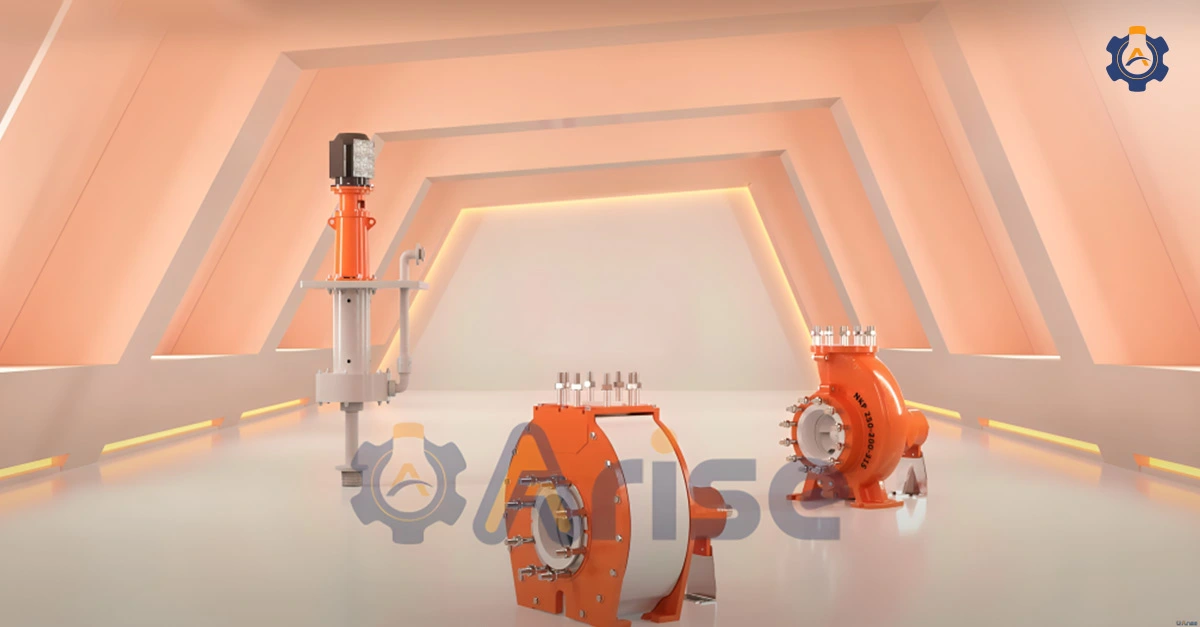
Meanwhile, the pharmaceutical industry can visualize the internal mechanisms of tablet coating machines, blister packaging machines or compression tablet presses.
These animations offer a controlled, risk-free, and highly detailed way to convey technical information, improve safety, support training, and reduce reliance on physical demonstrations.
In high-risk, technical sectors, 3D technical animation is a strategic must-have for clarity, credibility, and operational efficiency.
3) 3D technical animation for brand & sales improvement
From a marketing and sales perspective, 3D animation improves engagement and brand perception. When customers or investors view a detailed, high-quality animation, they perceive the brand as innovative, trustworthy, and technically competent.
Animations improve message retention and influence purchasing decisions far more effectively than text or static images alone.
4) 3D animation simplifies the training process
Companies are using technical animation for employee training. Instead of lengthy manuals or one-time demonstrations, animated modules offer a consistent, scalable, and repeatable way to train teams across multiple locations. This becomes particularly valuable in industries that require strict compliance, safety training, or complex maintenance procedures.
5) 3D animation pushes digital engagement and remote selling
Even in the digital world, 3D animations are proving high-performing content formats. They increase time spent on webpages, improve email conversion rates, and increase social media engagement, making them a powerful marketing tool.
And in a world where remote selling has become the standard, these animations help businesses deliver product demonstrations without needing to be physically present.
Summary
Companies need 3D technical animation today because it :
It simplifies complexity
It speeds up sales and training
It reduces cost and risk
It increases product appeal and brand perception
It enables smarter, faster decisions
It’s not about making your product “look good.” It’s about making it understood and chosen.
Why You Should Never Build an In-House Animation Team?
Setting up an in-house 3D animation team might sound like control and convenience, but in reality, it can often exhaust time, budget, and focus.
1) High overhead, lower output
To produce professional & precise 3D technical animation, you need more than just one designer.
You’ll need a full team, including modelers, riggers, animators, visual effects artists, project managers, and technical leads. Then there’s the cost of software licenses, high-performance machines, render farms, and ongoing training. All of this for what?
Unless animation is the product you sell, you’re running time and money into something that doesn’t directly generate revenue. That’s not just inefficient, it’s a distraction from your actual business goals.
2) Talent acquisition is a time sink you cannot afford
Finding skilled 3D animators with technical expertise in the industry is hard. Finding and retaining them is even harder.
These specialists are in high demand, command high salaries, and often leave for creative agencies with more diverse projects.
Building a team doesn’t just cost money, but it costs momentum. Projects stall as you hire, onboard, and manage a team that’s expensive to keep and even more expensive to replace.
3) The learning curve will impact your deadlines
3D technical animation is not something that can be learned and executed easily. It requires a deep understanding of complex systems, whether you’re animating a mechanical product, a medical device, or an industrial process.
Even with good hires, it takes months for a new team to fully understand your product, messaging, and audience. Not to forget, your marketing, sales, or training goals wait.
4) You will be stuck with fixed costs even when there is no work
Animation needs are typically project-based. Some months, you’ll need four explainer videos.
Other times, none at all. But if you’ve built an in-house team, you’re always carrying the fixed expenses of salaries, benefits, equipment maintenance, and office space, even when they’re not working on something.
That’s money tied up in overhead instead of being used for growth.
5) The level of quality will suffer
Outsourcing animation services tackles diverse projects across industries daily. They are exposed to trends, new technologies, and creative challenges that sharpen their output. In contrast, an in-house team may work on one type of product, for one company, with one perspective, over and over.
The work becomes repetitive, less engaging, and eventually outdated without fresh input.
6) When one person leaves, the whole system will break down
Small in-house teams are not strong. If your lead animator resigns mid-project or your technical expert leaves for another firm, everything slows down. Training replacements takes weeks.
And in the meantime, deadlines are missed, stakeholders lose trust, and projects go on hold. That’s not just inconvenient, it’s risky.
Advantages of Outsourcing 3D Technical Animation
1) Immediate access to specialized expertise
When you outsource, you get access to a team that already understands what makes technical animation work.
Such studios are staffed with experts in CAD-to-3D conversion, process simulation, product walkthroughs, and realistic rendering, all critical components of effective 3D technical animation.
Their experience across industries, automotive, manufacturing, oil and gas, and pharmaceutical means they can bring precision and clarity to your animations without needing to be micromanaged.
2) Faster delivery without compromising quality
Time kills deals. You’ll fall behind if your internal team is still learning how to animate gear systems.
With technical animation outsourcing, you work with professionals who’ve done this before.
They understand how to interpret technical documentation, collaborate with engineers, and convert complex specifications into easy-to-understand visuals. Projects move faster because you’re not starting from scratch.
3) It is cost-efficient
Building a full in-house team that includes animators, VFX artists, project managers, and render specialists takes serious investment. And that doesn’t even include hardware, software, or training.
Outsourcing keeps you focused and on your budget. You only pay for the work you need, when you need it, no fixed teams. No overhead. No long-term liabilities. It’s lean, efficient, and makes far more financial sense, especially if animation is not a constant, everyday need.
4) Creative input backed by industry experience
In-house teams can get stuck in repetition.
Studios like ours, specializing in technical animation, bring fresh eyes to your content because we have seen how similar products are presented across sectors and can suggest creative approaches that work while still staying dedicated to the technical details.
This kind of understanding of 3D technical animation only comes from working on hundreds of projects across industries. It’s not something easily replicated internally.
5) Easy to scale up or down
Need a five-minute animation this month and just a 15-second teaser next month? No problem.
With outsourcing, scaling your animation workload is smooth. You’re not locked into salaries, contracts, or infrastructure. You get flexibility, without compromising delivery.
6) Built-in processes with fewer mistakes
Professional animation studios have internal QA processes, version control systems, and collaborative workflows. That means fewer revision loops, faster feedback cycles, and cleaner final outputs. You get production reliability that most new in-house teams can’t offer.
7) Keeps your internal team focused
Your engineers shouldn’t have to spend time storyboarding animations. Your marketers shouldn’t have to become 3D software experts.
When you outsource, your internal team can stay focused on their strengths, while the animation is handled by people who do this daily.
FAQ’s
1) What is 3D technical animation, and how is it different from regular 3D animation?
3D technical animation is a specialized form of animation focused on accurately visualizing mechanical, industrial, or engineering processes, often used for training, product demonstrations, or simulations.
Unlike regular 3D animation (which prioritizes storytelling and artistic expression), technical animation emphasizes precision, functionality, and realism to explain complex systems or workflows.
2) Is outsourced 3D animation secure and confidential?
Yes, outsourced 3D animation can be secure and confidential. At our studio, every project begins with a signed non-disclosure agreement ( If you don’t have an NDA, we are happy to provide you with a good basic version that you can customize to suit your needs.)
Also to add, only approved team members working on your project can access files. We use encrypted cloud storage with multi-factor authentication for all project assets.
3) How long does a typical 3D technical animation project take?
A typical 3D technical animation project takes 1–2 weeks for small to medium-length animations, while complex or large-scale projects can require 4 weeks or more, depending on storyboard complexity, detail level, and rendering time.
4) How much does it cost to outsource 3D technical animation?
The cost to outsource 3D technical animation depends on project scope, complexity, and style. Since every animation requires a unique approach, pricing is determined after reviewing the storyboard, technical requirements, and desired quality.
Why Outsource Your 3D Technical Animation to Arise Engineering Services?
Outsourcing 3D technical animation is valuable only if you partner with the right team. At Arise Engineering Services, we solve communication challenges for technical industries with our technical animation services.
Our team combines deep industry knowledge with proven visual storytelling expertise. We have worked across manufacturing, oil and gas, petrochemical, and industrial equipment, simplifying complex systems into clear, accurate, and visual representations that generate business results.
Don’t settle for average animation, partner with experts who understand your industry. Speak to our team today!