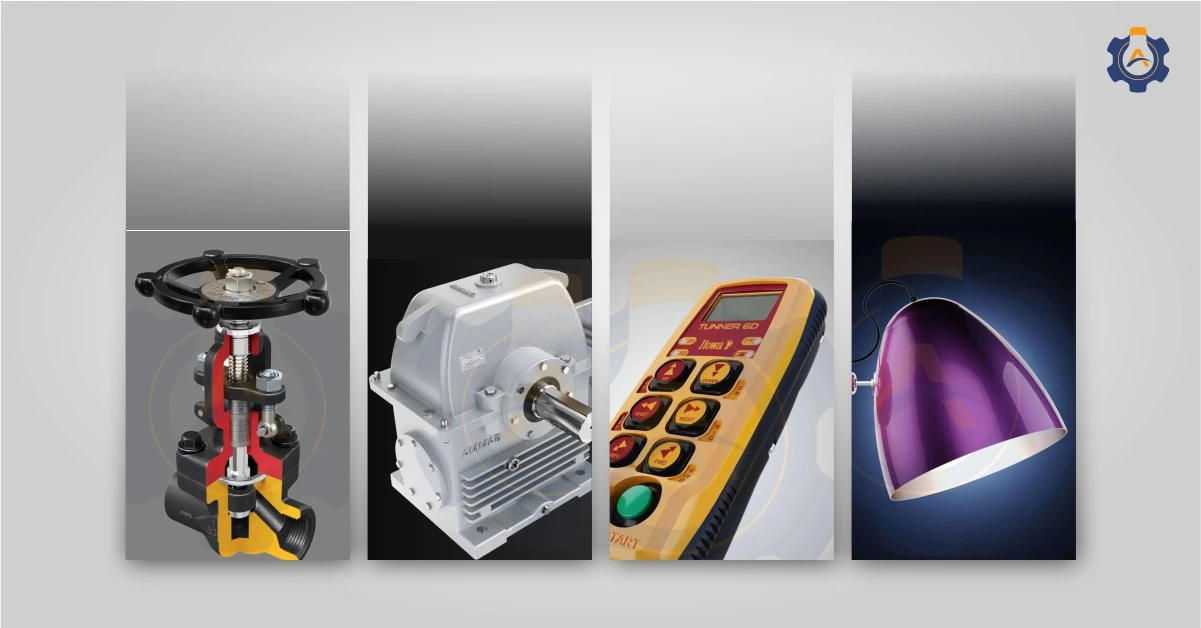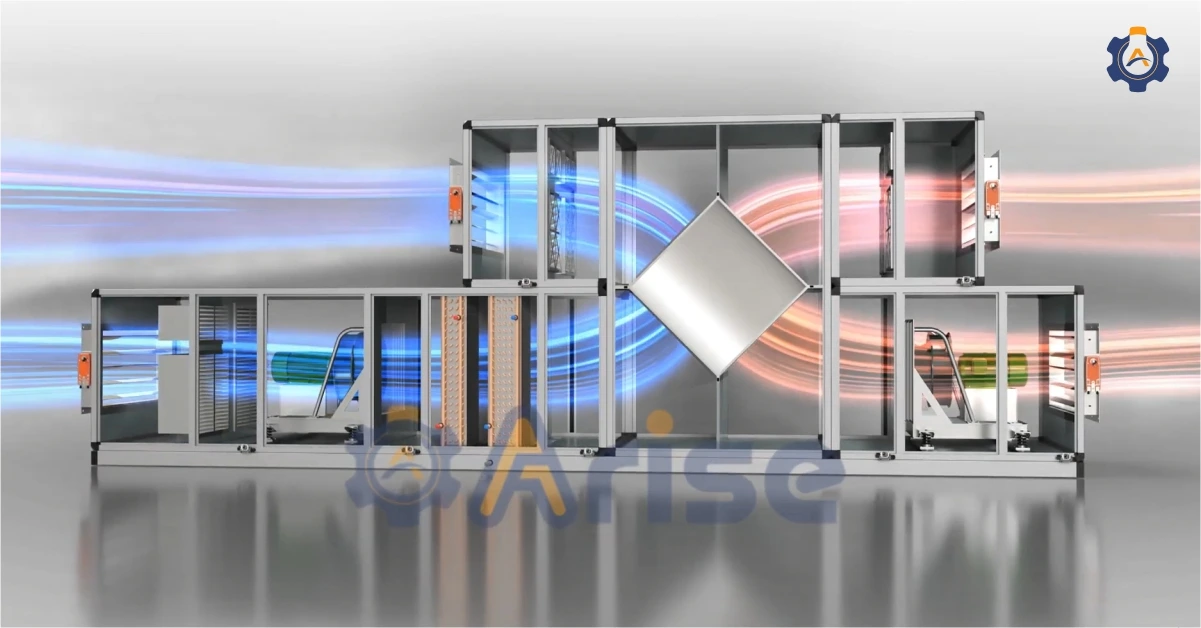
B2B marketers report that animated video content is among the top formats for conveying technical detail and reducing buyer hesitation.
According to Breadnbeyond’s 2025 use-case survey, manufacturers that utilize 3D product assembly and functionality animations experience significantly fewer support queries, shorter sales cycles, and stronger recall among technical decision-makers.
In a world where only 10 seconds might capture a buyer’s attention, static images or traditional videos rarely suffice for conveying complex product stories.
Technical animation offers a convenient, more intuitive medium not just to show what something is, but how it works, why it’s built that way, and how it solves real manufacturing challenges.
Technical animation in B2B marketing is one of the most important marketing techniques that cannot be overlooked, and the capabilities for the same are limitless!
Key-Takeaways
Technical animation simplifies complex manufacturing processes, making invisible product functions visible and understandable.
One animation asset can be repurposed across sales, training, trade shows, and investor presentations.
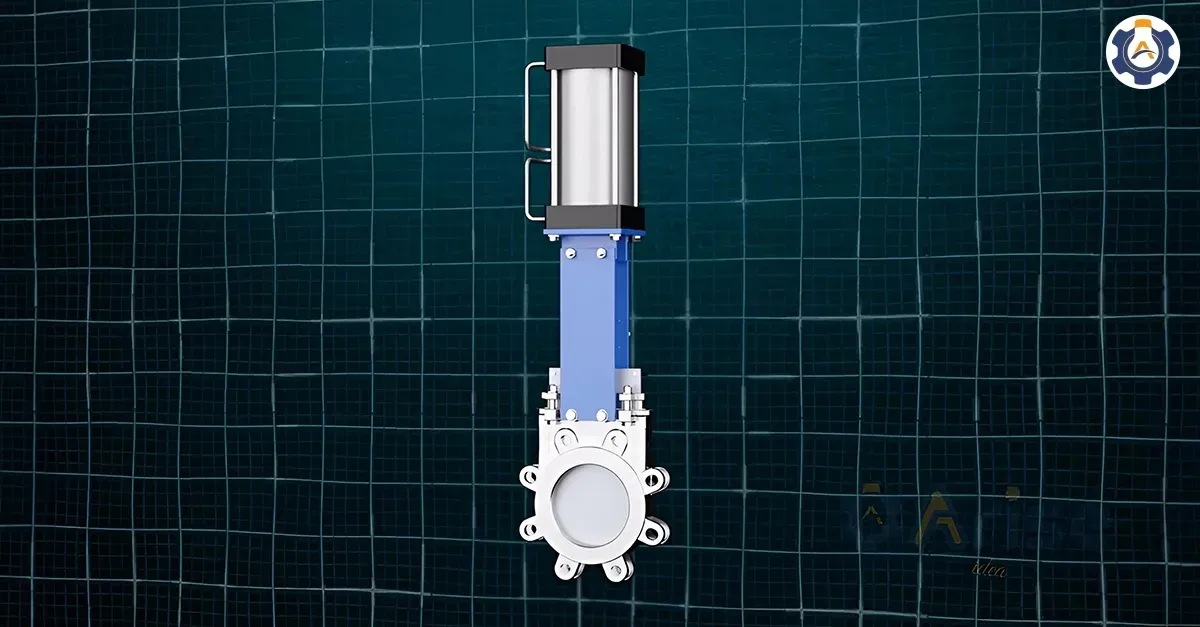
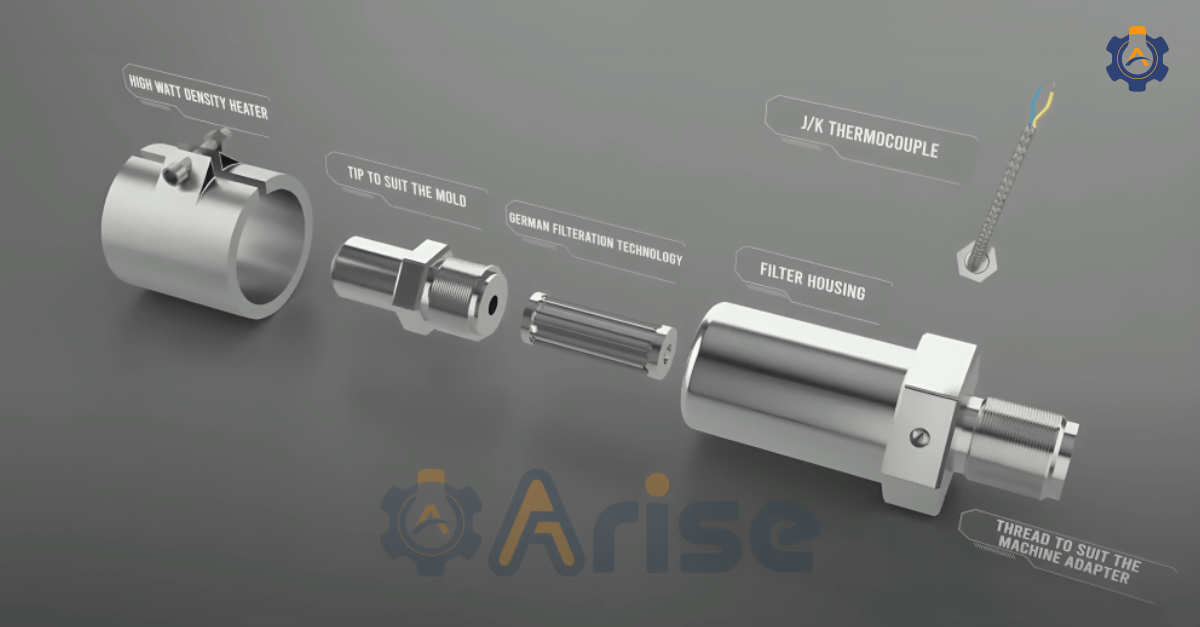
Exploded view animation in marketing builds trust by showing internal accuracy without physical prototypes.
Animated content ensures consistent training, safer demonstrations, and shorter B2B sales cycles.
Measurable ROI comes from shorter sales cycles, reduced training costs, and improved lead quality.
Success depends on choosing a partner who balances engineering precision with clear B2B storytelling.
Why B2B Companies Use Technical Animation for Marketing?
1. A Smarter Alternative to Physical Demonstrations
In manufacturing, demonstrating equipment/machinery is tough. Shipping a pump, turbine, or extrusion system across the globe for every exhibition or client meeting is not only costly, it’s often impossible.
Technical animation for B2B changes the equation.
A single well-crafted technical animation can travel anywhere, play everywhere, and explain your solution without interrupting production or risking damage to a prototype.
2. Highlights Complex Engineering with Clarity
Most large industrial purchases involve not one decision-maker, but five or ten, and each has different concerns, and technical diagrams or static images alone don’t bridge that gap.
Use of animation in B2B means you can visually break down internal flows, safety features, or efficiency gains in a way that is instantly understood by all.
3. Makes Invisible – Visible
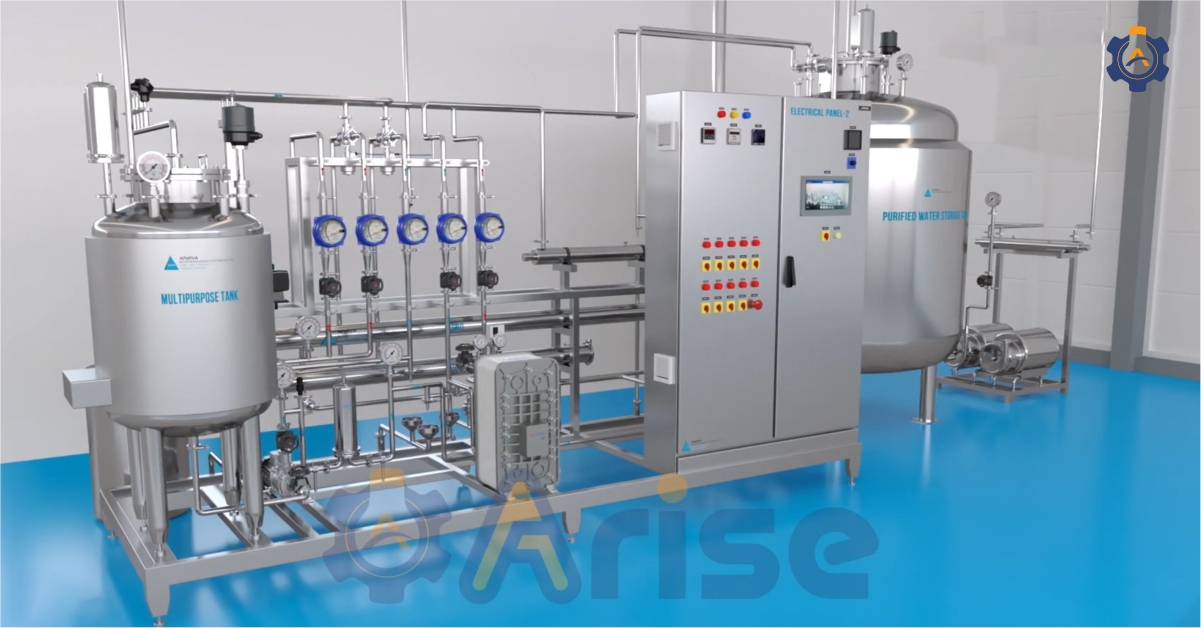
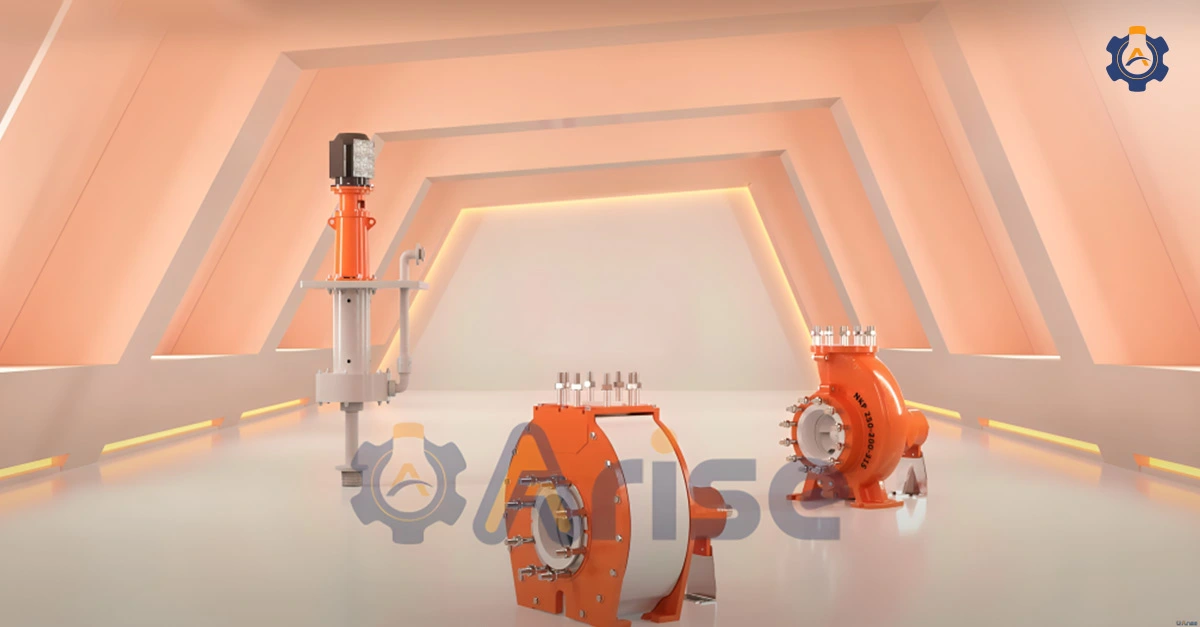
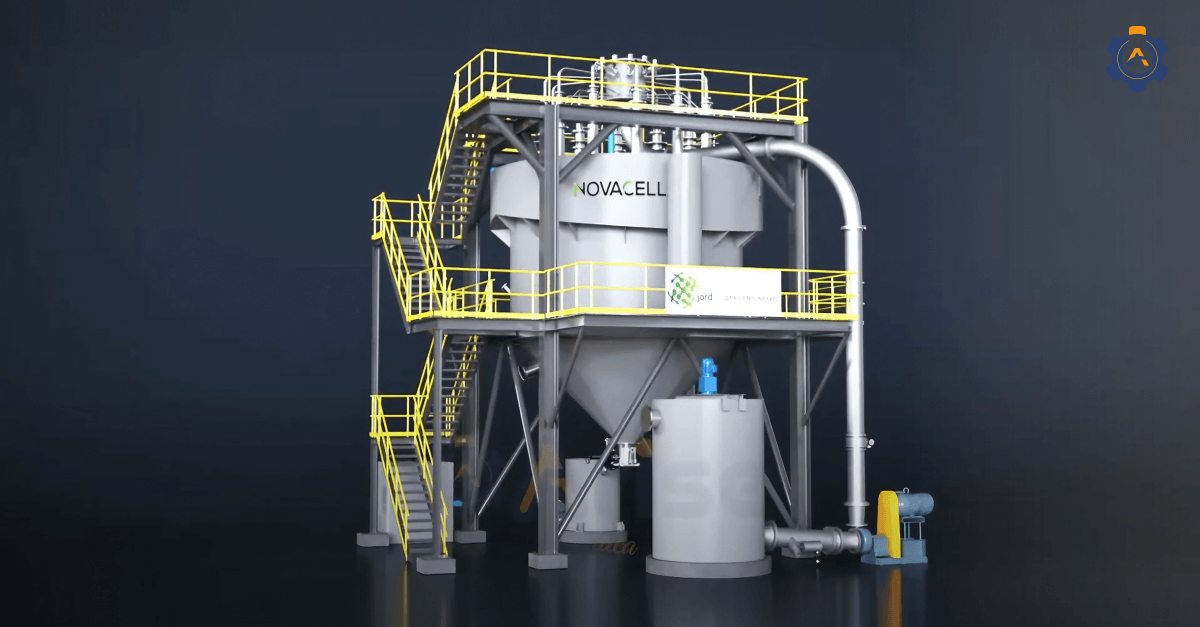
A big part of industrial innovation happens inside a system: fluid dynamics in pumps, separation in filters, heat transfer in exchangers. These processes are invisible during a live demo, but animations open them up.
Buyers can see inside the product, understanding why it performs better than alternatives.
4. Best for Trade Shows & Exhibitions
Industrial trade shows are not that easy; every booth is competing with huge machinery, sales pitches, and stacks of brochures. Buyers are walking in with limited time.
This is exactly where technical animation for B2B gives you an advantage. Instead of relying on words or hoping visitors see charts or diagrams, your screen shows the machine in action, breaking down complex processes in under a minute.
The benefit? Prospects stop, watch, and understand. That initial spark starts a conversation not about what your product does, but why it’s the better choice.
And unlike carrying demo units or printed catalogues, the animation becomes a reusable asset. You play it at every show, every booth, in every country – consistently.
5. A Consistent Global Language
Manufacturing is global, but language often slows deals down.
Instead of relying on how well your distributor in Brazil or your agent in Germany explains a machinery, an animation speaks a consistent, universal language.
6. A Multi-Purpose Asset Beyond Marketing
The best part about creating a technical animation? You don’t just use it once.
The same video becomes a training tool for plant operators, a service explainer for maintenance teams, and even part of your investor or compliance presentations.
In other words, the use of animation in B2B becomes a long-term asset that reduces training costs, standardizes operations, and reassures stakeholders that your processes are transparent and well-documented.
7. Zero Risks in High-Value Deals
When companies are about to commit to expensive machinery or large-scale systems, hesitation is natural. Stakeholders want absolute clarity before they make a decision.
Technical animation for B2B helps remove that doubt by showing exactly how the equipment works, what safety measures are built in, and where the efficiency gains come from.
From marketing to training, the use of animation in B2B saves costs and scales globally.
Take a look at how top brands maximise every animation investment.
Watch Our Technical AnimationsStrategic Applications of Technical Animation in B2B Marketing
1. Manufacturing Process Documentation & Training
Replace technical manuals or diagrams with animated process documentation that shows exactly how complex manufacturing procedures work.
How to Do It:
1) Animate step-by-step procedures:
Break down complex manufacturing processes into animated sequences showing proper equipment operation, safety protocols, and quality checkpoints.
2) Create interactive troubleshooting guides
Develop clickable animations that help operators identify problems, understand root causes, and implement solutions without stopping production.
3) Build multilingual training modules
Use visual animation to overcome language barriers in global manufacturing facilities, reducing training time and improving safety compliance.
4) Design equipment maintenance animations
Show internal machinery components, maintenance schedules, and repair procedures to reduce downtime and extend equipment life.
5) Product Demonstrations & Employee Onboarding
In B2B, showing a product in action isn’t always simple. Heavy equipment cannot be shipped everywhere, and training new staff on live machines can be costly and risky. Technical animation solves both of these issues.
How to Do It:
Visualise Internal Workflows
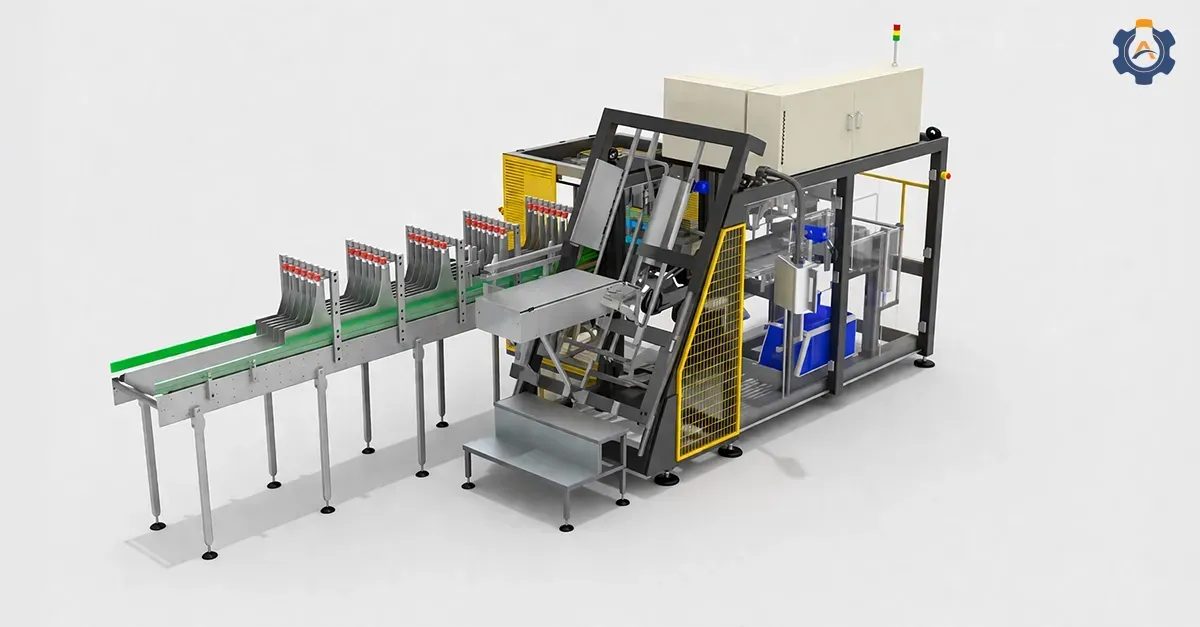
Use animations to show what’s normally hidden, fluid flows inside pumps, separation in filters, or movement inside an extruder. This helps prospects immediately grasp the value without needing a physical demo.
Simulate Real-World Scenarios
Instead of traditional methods, build animations around real operating conditions (pressure, load, flow rate). Prospects and trainees see not just how the system works, but how it performs under their conditions.
Step-by-Step Onboarding Modules
Break down training into short, focused sequences startup procedures, safety checks, maintenance tasks. This reduces onboarding time and ensures every operator receives consistent instructions.
Interactive Learning (Optional)
For advanced training, combine animations with clickable modules or allowing employees to explore the equipment virtually before handling it physically.
3. Trade Show, Events and Conference Experiences
Create brilliant animated displays that draw visitors to your booth and deliver memorable brand experiences. Companies using animated booth displays report 3x higher qualified lead generation compared to traditional static displays.
How to Do It:
Design continuous loop animations
Create smooth, repeating animations that showcase your core value proposition and draw attention from across the trade show floor.
Build interactive product explorers
Use touchscreen interfaces with animated product demonstrations that let visitors explore features and configurations independently.
4. Customer Success Stories & Case Study Visualization
Highlight your case studies/testimonials that show real-world problem-solving and measurable results.
Animated case studies generate more engagement and higher sharing rates than traditional formats.
How to Do It:
Animate before-and-after scenarios
Show the customer’s challenge state, your solution implementation, and the improved outcome through visual storytelling that makes abstract benefits concrete.
Visualize quantified results
Transform charts and graphs into dynamic animations that show performance improvements, cost savings, and efficiency gains over time.
Create customer journey narratives
Follow real customers through their experience with your solution, showing decision points, implementation phases, and ongoing value realization.
Build industry-specific success portfolios
Develop animated case study libraries tailored to different vertical markets, showing relevant challenges and solutions for each industry.
5. Investor Relations & Board Presentations& Employee Onboarding
Help non-technical investors and board members understand complex technology, market opportunities, and business models through clear visual communication.
Technical companies using animated investor presentations raise capital faster than those using traditional video methods.
How to Do It:
Animate market opportunity visualization: Show total addressable market, competitive landscape, and growth projections through dynamic charts and market evolution scenarios.
Visualize technology differentiation
Explain complex technical innovations and competitive advantages through clear animations that non-technical audiences can understand and remember.
Create business model animations
Show how your company generates revenue, serves customers, and creates value through animated business flow diagrams and operational overviews.
Build growth path storytelling
Animate your company’s progress from startup to market leader, showing key milestones, customer wins, and expansion plans.
Common Challenges and Misconceptions About Technical Animation
1. It’s Too Expensive
Many decision-makers assume technical animation costs more than it delivers. The truth is, one high-quality animation can serve across sales, marketing, training, trade shows, and even investor decks.
Compare that to running multiple shoots, print manuals, or physical prototypes, the animation often ends up being more cost-efficient in the long run.
2. It Takes Too Long to Produce
Yes, building detailed 3D models and animations requires care, but with today’s workflows the turnaround is faster than most expect.
Once a base model is created, updates (like design changes or new product variants) can be animated without starting from scratch. That makes technical animation a flexible, scalable asset rather than a one-off project.
3. Buyers Won’t Care About Animations
This is one of the biggest misconception. Engineers and procurement teams might not care about marketing, but they do care about clarity.
Animations that show why a machine’s design is safer, save them time and help them make decisions with confidence.
One powerful format here is the exploded view animation in marketing, where every component is separated and labeled. It is engineering accuracy presented in an accessible way.
4. It’s Just for Big Companies
Smaller manufacturers often think technical animation is out of reach. In reality, even mid-sized firms benefit when they use it to showcase niche expertise.
For example, a specialized part supplier can demonstrate how its component integrates into larger systems, a story that would otherwise be invisible.
5. Quality vs. Complexity Confusion
There’s a persistent belief that more complex animations automatically mean better results. We have seen companies request unnecessary camera movements, excessive visual effects, or overly detailed models that don’t serve their core message.
The most impactful technical animations we created focus relentlessly on clarity and purpose. Sometimes the simplest approach delivers the strongest results.
An effective exploded view animation in marketing doesn’t need spinning logos or dramatic lighting effects if those elements distract from understanding how your product works.
6. Technical Accuracy Concerns
Engineering teams sometimes worry that animation will oversimplify or misrepresent their products.
This concern is valid but manageable with the right approach. The best technical animations maintain engineering accuracy while making complex concepts accessible to broader audiences.
The solution involves close collaboration between animation professionals and your technical teams throughout the production process.
Regular reviews and feedback loops ensure that animations remain truthful to your product’s functionality while achieving marketing objectives.
7. ROI Measurement Difficulties
Finally, many businesses struggle with measuring the return on investment for technical animation projects.
Unlike direct response advertising, the impact of technical animation often appears across multiple touchpoints in your sales funnel.
Successful measurement requires establishing baseline metrics before animation implementation and tracking multiple indicators including website engagement, sales presentation effectiveness, trade show lead quality, and sales cycle duration. The most valuable insights often emerge over months rather than weeks.
The Real Challenge: Choosing the Right Partner
The actual difficulty isn’t whether technical animation works.. it’s finding a partner who understands both the engineering depth and the storytelling side of B2B marketing. Get that balance right, and challenges will not be the problem for you!
Measuring ROI – Proving the Business Impact of Technical Animation
You need some baseline measurements such as;
How long do visitors spend on your product pages?
What’s your current conversion rate from website visitor to qualified lead?
How many sales presentations does it typically take to close a deal?
What percentage of trade show conversations turn into follow-up meetings?
Sales Cycle Impact Analysis
Track your average sales cycle length before and after implementing technical animations.
Document how many meetings it takes to move prospects from initial interest to proposal stage. Monitor the quality of incoming leads – are sales teams spending less time on basic product education and more time on solution customization?
Lead Quality Transformation
Not all leads are created equal, and technical animation often improves lead quality rather than just lead quantity. This improvement can be harder to measure but ultimately more valuable to your business.
Implement lead scoring that accounts for animation engagement. A prospect who watches your complete product demonstration animation and then requests a quote is qualitatively different from someone who simply downloaded a brochure.
Track conversion rates from different lead sources and engagement levels.
Trade Show and Presentation Effectiveness
Compare booth traffic patterns, conversation quality, and follow-up rates before and after incorporating animations into your trade show strategy.
Long-Term Brand and Market Position
Monitor brand perception surveys, customer satisfaction scores, and competitive positioning over time. Companies that invest in quality technical communication often see improvements in perceived industry leadership and technical credibility.
Cost-Per-Acquisition Analysis
Calculate the total investment in technical animation (production, updates, distribution) and measure it against improvements in overall marketing efficiency.
ROI Formula in Practice
You don’t need a complicated model. A simple ROI calculation works:
Animation investment
Example: If one $20K animation helps close a $200K deal faster, saves $5K in training, and gets reused across four campaigns, the ROI is measurable and often multiple times the initial spend.
FAQ’s
1) What is the best way to add technical animation to a marketing strategy?
Use technical animation to simplify complex information, improve customer understanding, and enhance marketing strategies.
2) How to add technical animation to a marketing strategy?
Integrate technical animations into your marketing strategy by using them for product explainers on your website, social media, and landing pages, trade shows, exhibitions etc to boost engagement and conversions.
3) How can technical animation explain complex products?
Technical animation explains complex products by visually illustrating their internal mechanisms, processes, and benefits in an easy-to-understand format.
4) Can technical animation help customers better understand products?
Yes, technical animation helps customers better understand products by providing clear, visual, and engaging demonstrations of their functionality.
Conclusion
Technical animation is becoming a strategic necessity. From simplifying complex engineering to boosting trade show impact and accelerating sales cycles, it consistently proves its value across the industry.
The ability to repurpose one asset for multiple purposes, while maintaining technical accuracy and visual appeal, makes it one of the most efficient tools in a manufacturer’s communication requirements.
At Arise 3D, we design and develop animations that merge technical expertise with storytelling, allowing B2B manufacturers to showcase complex products, build buyer confidence, improve and ease decision-making, and highlight value with impact.