In high-risk industries, safety is the foundation of productivity and trust. Yet, traditional manuals and in-person sessions often fail to prepare workers for real emergencies.
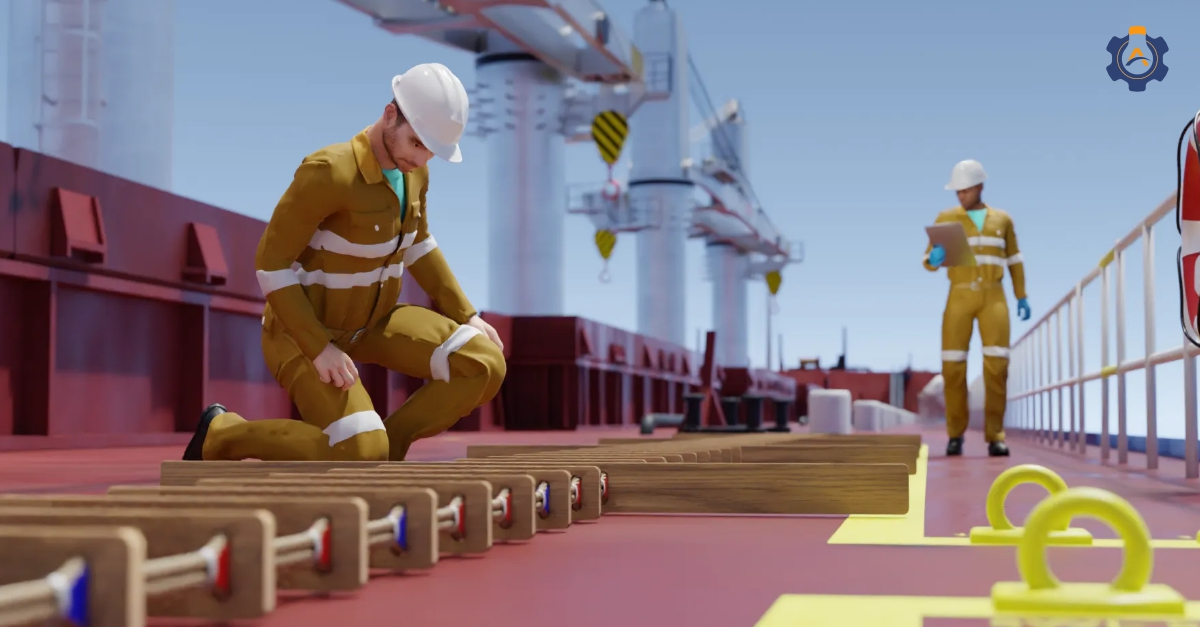
3D safety training animation solves this problem by showing workers exactly what they are up against. Instead of explaining combustible dust hazards with bullet points, you can show the actual mechanism, the actual consequence, and the actual correct response.
In pharmaceutical plants, oil refineries, water treatment facilities, and heavy manufacturing operations, this technology is cutting incident rates while simultaneously reducing training costs. For plant managers, weighing safety investments has become a fundamental shift in how effectively you can protect your workforce.
Key takeaways
3D safety animations simulate real industrial hazards safely, enhancing situational awareness and emergency response training.
Standardized visuals ensure consistent safety training across plants, shifts, and multilingual teams.
Organizations report up to 60% training cost reduction after adopting reusable animated learning modules.
Photorealistic simulations improve long-term memory retention by 50–75% compared to traditional training methods.
Choosing an industry-specific animation partner ensures technical accuracy, scalability, and measurable training impact.
What is 3D Safety Training Animation?
3D safety training animation uses high-fidelity graphics and simulations to recreate workplace scenarios.
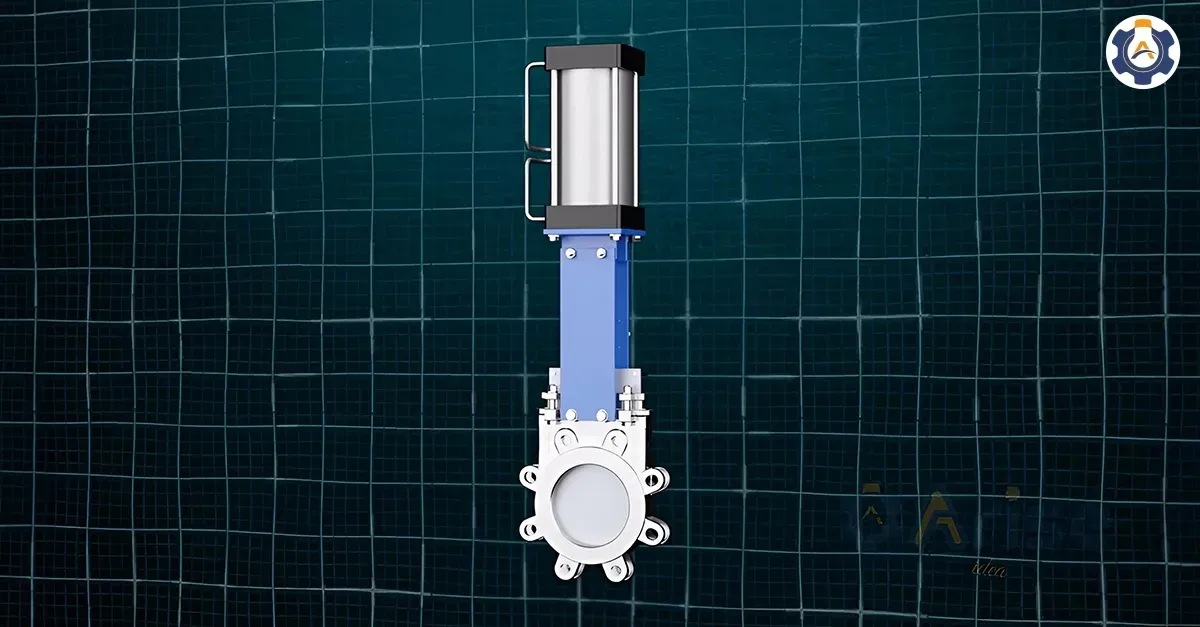
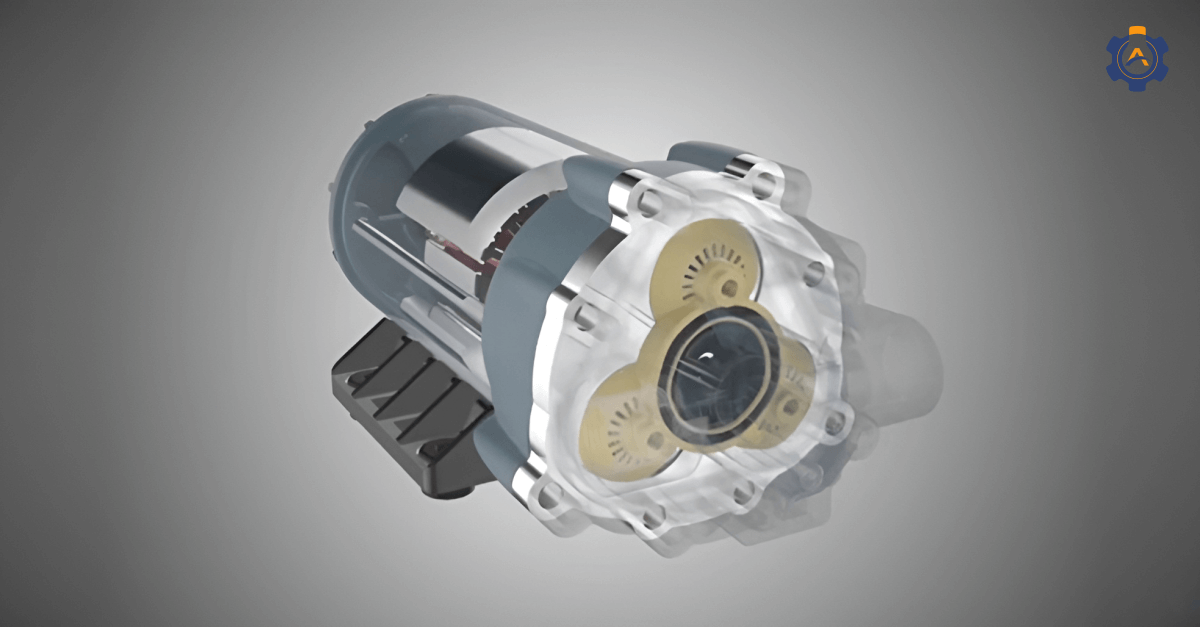
Traditional training videos show you a photo of a machine. A 3D animation lets you see inside that machine while it’s running, watch how components interact, zoom into critical areas, and observe what happens when something goes wrong. All without stopping production or risking anyone’s safety.
For workers learning lockout/tagout procedures, animated safety training videos can show the electrical current flowing through circuits, demonstrate where stored energy hides inside machinery, and visualize what happens if someone bypasses a safety control. That level of clarity simply doesn’t exist in live training or printed SOPs.
How 3D Animation Transforms Safety Learning
People remember 10% of what they read, 20% of what they hear, and 80% of what they see and do. Safety training with 3D animation taps directly into that 80%.
Take the heavy engineering industry, for example. Explaining crane load dynamics means talking about center of gravity, load charts, and swing radius calculations. Workers nod along, but do they really grasp what happens when a 15-ton steel beam shifts two feet during a lift?
A 3D industrial animation shows them. They watch the load swing, see the crane’s stability change in real-time, observe the counterweight working to prevent a tip-over, and understand exactly why the load chart matters.
Now that’s practical understanding, they’ll remember when they’re 60 feet in the air operating that crane.
Key Benefits of 3D-Animated Industrial Safety Training
1. Risk-Free Demonstration of High-Hazard Scenarios
You cannot practice responding to a reactor runaway or a pressure vessel failure using actual equipment. But you can drill those responses repeatedly with 3D safety training animation until every worker knows exactly what to do.
In chemical plants, workers experience spill containment procedures before touching hazardous materials. Heavy equipment operators practice emergency stops and equipment failures before climbing into a crane cab.
That principle applies directly to safety training. When you can conceive a dangerous scenario, animation can demonstrate it safely.
Learn more about – Benefits of industrial animation↗
2. Consistent Training Quality Across All Locations
Deploy 3D industrial animation to ten facilities, and every single employee receives identical instruction. The worker in your Kentucky plant learns the same forklift procedures as someone in your California operation. This standardization eliminates the biggest weakness of traditional training: Variability!
One instructor emphasizes certain details while another skips them entirely. Animation removes that inconsistency completely.
A water treatment facility in India trains operators the same way as a plant in North America, ensuring universal safety standards regardless of location.
3. Significant Cost Reduction Over Time
Consider what hands-on training actually costs. You take production equipment offline, dedicate instructor hours, and sometimes fly workers to regional training centers.
A 3D technical animation requires upfront investment, then serves unlimited training sessions forever. For complex systems requiring specialized trainers, the ROI shows up in months, not years.
Manufacturing operations that have implemented 3D industrial training simulations report training cost reductions of 40-60% within the first year while simultaneously improving knowledge retention scores.
The math becomes compelling quickly when you calculate instructor wages, facility costs, and production interruptions.
4. Improved Knowledge Retention
When workers see a photorealistic simulation of machinery, watch the mechanism close, see the force it generates, and understand the injury it causes, that visual memory persists. Three months later, they still remember to keep their hands clear because the image stays clear. In-person (verbal) content fades within days.
Research across industrial training programs shows that animated safety training videos improve retention rates by 50-75% compared to traditional instruction sessions.
5. Easier Compliance Documentation
OSHA wants proof of training. Animated safety training videos integrated with learning management systems automatically document who completed what training, when they finished, what scores they achieved, and when recertification comes due.
When auditors arrive, you produce comprehensive records instantly instead of looking for paper files.
For companies in highly regulated sectors like pharmaceuticals or food processing, this documentation capability alone justifies the investment.
Compliance officers spend hours on audit preparation when training records are automatically generated and stored digitally.
Send us your safety concern. We will help you solve it visually. Get in touch now!
Applications Across Today’s Industries
1. Heavy Manufacturing and Industrial Equipment
Heavy manufacturing operates on a scale where mistakes have serious consequences.
Cranes lifting multi-ton loads, presses operating under extreme force, conveyor systems moving materials at high speeds—all require workers to understand not just procedures, but the work behind them.
3D industrial animation lets workers see what happens before they operate the equipment. Crane operators watch how load positioning affects stability, see why proper rigging matters, and understand the forces at play during a lift.
Lockout/tagout training gets transformed when you can show the inside of a machine. Workers see where hydraulic pressure hides, watch how electrical current flows through systems, and understand exactly what they’re isolating.
2. Oil, Gas, and Energy Production
High-pressure systems, explosive atmospheres, and toxic gases all demand training.
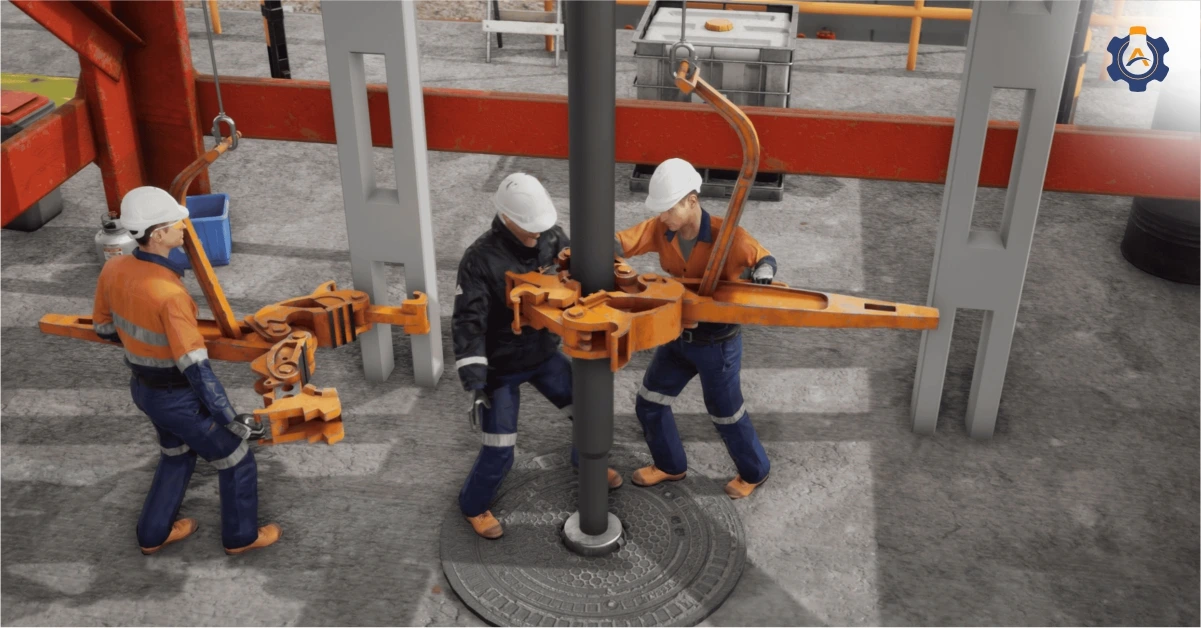
Blowout preventer operation is a perfect example. You can’t practice equipment failures with real drilling rigs. But animated safety training videos let drilling crews experience those scenarios safely. They watch pressure build, see how the BOP should respond, observe what happens when systems fail, and practice emergency procedures until the response becomes automatic.
Confined space entry in tanks and vessels becomes clearer with 3D safety training animation.
Workers see how gases like H2S settle in low points, watch ventilation clear the space, and understand why atmospheric monitoring never stops because conditions change as work progresses.
3. Pharmaceutical and Chemical Processing
These industries face a unique challenge: Many hazards are completely invisible.
Contamination particles are too small to see. Chemical vapors you can’t detect until exposure symptoms appear. Thermal reactions that develop slowly, then accelerate catastrophically.
In pharmaceutical manufacturing, errors in mixing or handling can contaminate entire batches, causing massive losses and regulatory issues.
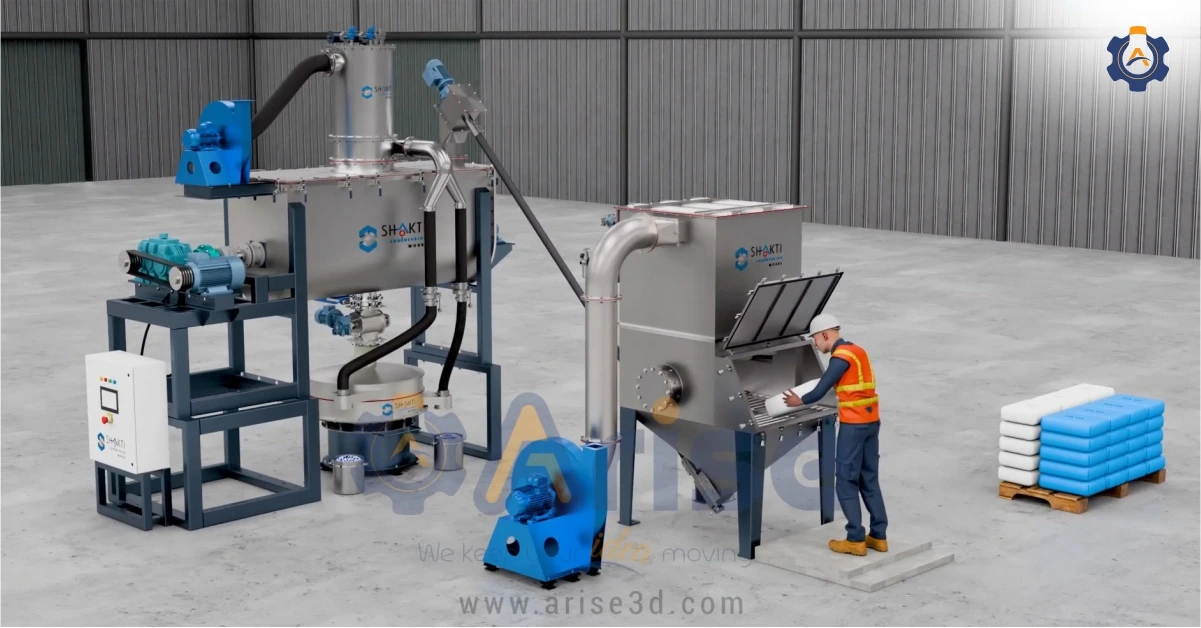
Safety training with 3D animation helps workers see how mishandling ingredients or equipment leads to contamination or accidents, reinforcing correct procedures.
4. Water Treatment
Water treatment operators handle the same dangerous chemicals as industrial plants, chlorine gas, sulfuric acid, caustic solutions, often with smaller budgets and leaner safety teams. Training needs to work efficiently.
3D industrial animation shows operators how their systems actually work. Instead of studying diagrams, they watch process flow through their facility.
They see chemical dosing in action, understand backup system activation during failures, and practice emergency shutdowns on equipment that matches their actual setup.
5. Logistics & Warehousing
Forklift operation, load stacking, and evacuation drills can be standardized across global sites, supporting compliance with ISO 39001 (road and transport safety) and local fire safety codes.
Challenges with Traditional Safety Training
A traditional safety training approach often suffers from:
Passive learning – Workers listen or read, but don’t experience hazards, making lessons easy to forget.
Limited clarity– High-risk events like chemical leaks or crane failures can’t be demonstrated safely, leaving employees unprepared when they occur.
Inconsistent delivery – Instructor (live)training varies in quality, especially across multiple plants or shifts, creating knowledge gaps.
Low engagement – Long sessions, static visuals, and text reduce focus, particularly in manufacturing and energy environments where workers need practical clarity.
Poor knowledge retention – Abstract concepts fade quickly. In pharmaceutical plants, contamination control explained in words rarely sticks; in water treatment facilities, emergency procedures can be forgotten under pressure.
High operational cost – Repeated sessions, printed SOPs, and instructor time add cost without guaranteeing better safety outcomes.
If safety training fails to overcome these challenges, companies face greater risks that are higher incident rates, compliance failures, and preventable downtime.
By contrast, modern solutions, such as industrial safety training animation that make learning consistent, immersive, and aligned with real industrial hazards.
How to Choose the Right Safety Animation Partner
| Criteria | What to ask/validate | Why it matters |
| Domain and technical expertise | Do they understand your industry/work, such as pumps, reactors, batch processing, pipelines, and energy grids? Can they speak your language? | If they don’t internalize your processes, they’ll misrepresent hazards or create animations that feel normal. Arise3D, for instance, specializes in industrial, plant, process & safety animation across sectors. |
| Portfolio & case studies | Ask for animations done in manufacturing, pharmaceutical, oil & gas, energy, or water treatment. Ask for problem → solution → impact. | You want evidence they’ve handled your domain. A vendor with only cartoon-style or only consumer explainer videos may struggle with technical detail. |
| Accuracy and industry experience | Who reviews the technical content? Your safety or process engineers? Is there a review cycle built in? | An animation is only safe if it’s technically correct. If hazards, safety distances, PPE, and emergency paths are wrong, liability increases. |
| Storytelling, scenarios, and interactivity | Will they map realistic use cases, varying inputs, and decision points? Can users make choices (branching)? | Pure linear animation is okay, but interactivity drives deeper learning. |
| Clarity and focus | Can they simplify without any complications? Do they break complex processes into understandable modules? | Overly dense animation loses the audience. |
| Revisability and modularity | Can they update modules (e.g., a pump change) rather than redoing the full animation? | Processes evolve. Your training needs should evolve, too, without massive rework. |
| Cost structures and contracts | Ask about licensing, reuse, updates, extra revisions, and deliverables breakdown. | Hidden costs can make a “cheap” vendor expensive over time. |
Arise3D specializes in industrial & technical animation (plant, process, machine, safety) and works across sectors including pharma, oil & gas, energy, water treatment, and heavy engineering.
Their pipeline likely involves working from your CAD/process data, then building accurate models, simulating flows, and layering hazards and annotations.
They already serve OEM, process, plant, and power sectors.
FAQ’s
1) What is a 3D industrial safety training animation?
3D industrial safety training animation uses realistic, computer-generated graphics to create a virtual version of your workplace.
These engaging animated videos clearly show employees how to perform procedures, identify common hazards, and follow safety protocols in environments like manufacturing units or factories. It’s a modern, interactive way to teach complex safety concepts effectively.
2) How much does 3D technical animation cost for B2B companies?
3D animation is one of the best approaches because it allows your team to see dangerous situations without any actual risk.
By letting trainees explore complex machinery or risky procedures in a safe space, they have a solid understanding of the same. This active visualization improves hazard recognition and helps employees apply safety rules instantly on the job.
3) Why is 3D animation better than traditional safety training methods?
Unlike traditional methods or videos, 3D animation provides dynamic realism that truly holds a person’s attention.
It can clearly show the cause-and-effect of accidents, which is impossible with traditional methods. Plus, it’s easier to update with new regulations, offering a consistent, high-quality standard for all trainees.
4) Do 3D animations make safety training easier to remember?
Absolutely. People remember what they see and experience. By using realistic 3D visuals, you help trainees form stronger memories through three-dimensional and visual learning.
When they virtually walk through a procedure and see dangers, they are more likely to instantly recall those critical steps and rules when faced with a real-life high-stress moment.
Conclusion
Modern safety demands modern solutions. In industries where one mistake can cost lives or millions, training can’t rely on outdated manuals or inconsistent live sessions.
3D safety animation offers a smarter way to deliver clarity, consistency, and control.
At Arise3D, we specialize in creating complex industrial risks into clear, visual safety stories that deliver efficiency and ROI, whether you’re in manufacturing, pharma, oil & gas, energy, or water treatment. If you’re ready to strengthen your safety culture with training that truly works, we are ready to help you make it real!