3D Product Animation: Why Your B2B Business Should Invest in
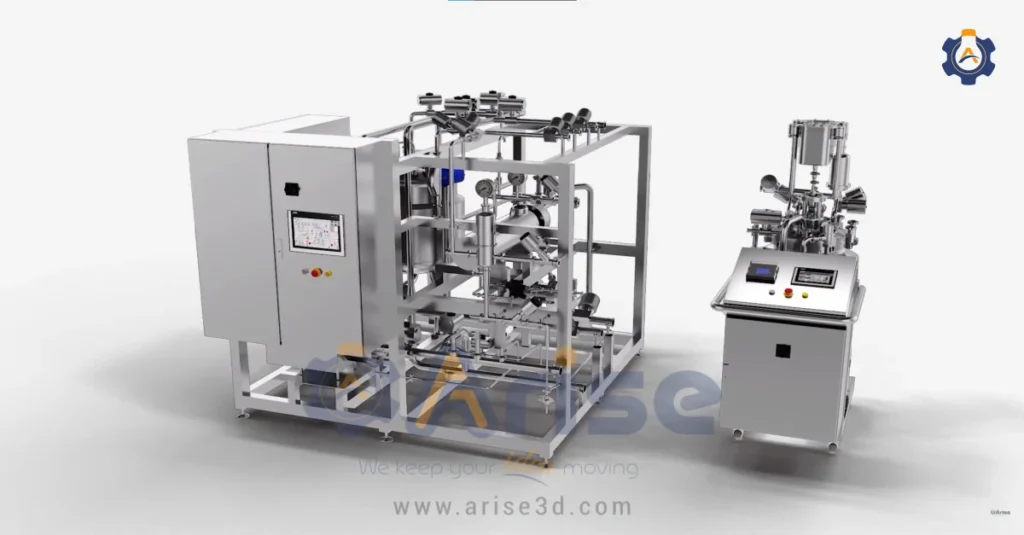
Across the manufacturing, engineering, and healthcare sectors, one challenge consistently slows growth: explaining complex products to decision-makers who lack the same technical background. In our 10+ years of experience, we have seen that B2B buyers disengage when product information is too detailed or unclear. Traditional methods include 2D videos, complex technical diagrams, and physical prototypes […]
Why 3D Safety Training Animation Is Essential for Today’s Industries
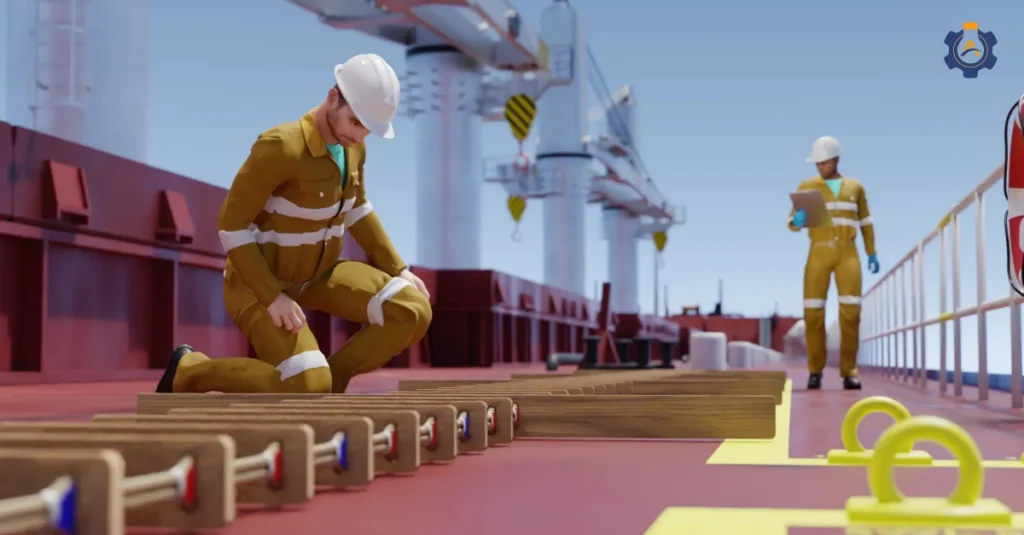
In high-risk industries, safety is the foundation of productivity and trust. Yet, traditional manuals and in-person sessions often fail to prepare workers for real emergencies. 3D safety training animation solves this problem by showing workers exactly what they are up against. Instead of explaining combustible dust hazards with bullet points, you can show the actual […]
How Technical Animation is a Game-Changer in B2B Marketing
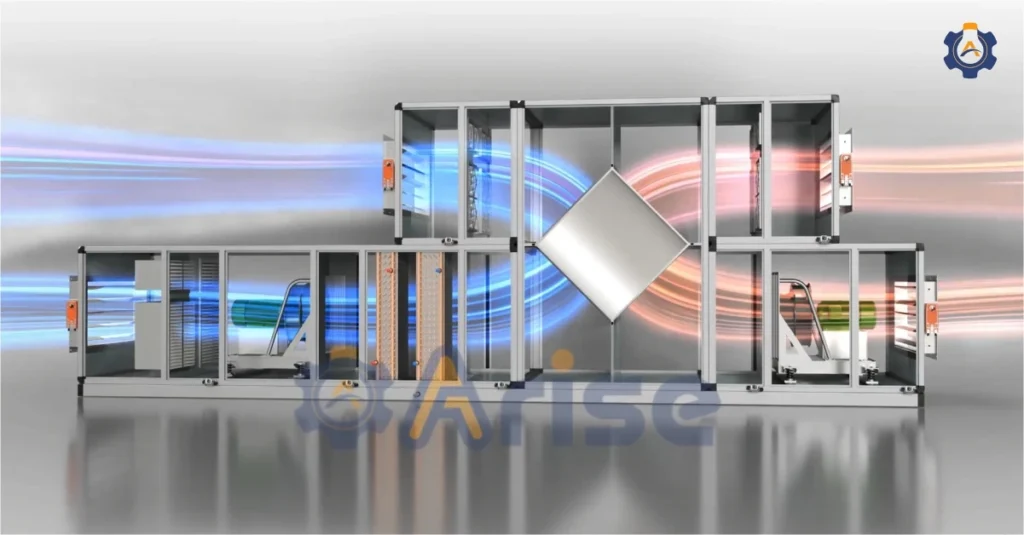
B2B marketers report that animated video content is among the top formats for conveying technical detail and reducing buyer hesitation. According to Breadnbeyond’s 2025 use-case survey, manufacturers that utilize 3D product assembly and functionality animations experience significantly fewer support queries, shorter sales cycles, and stronger recall among technical decision-makers. In a world where only 10 […]
How To Create Engaging Animated Training Videos
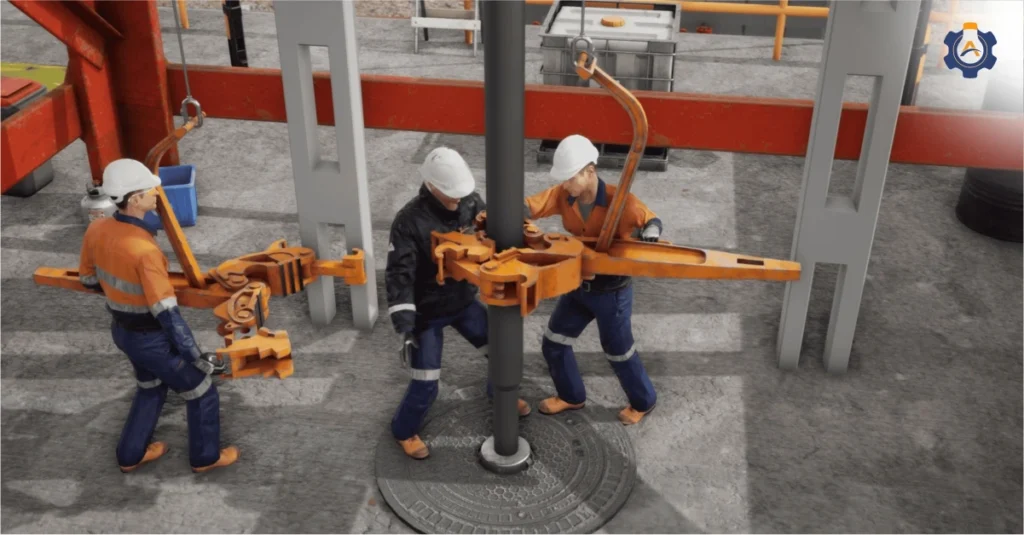
Workplaces today demand training that works. Animated training videos are a visual learning method that breaks down complex industrial processes into clear, step-by-step demonstrations. They show exactly how equipment operates, what safety protocols look like in action, and how procedures should be executed. The practical impact is immediate: Workers get technical concepts faster, retain information […]
10 Reasons Why Your Business Needs 3D Corporate Animation
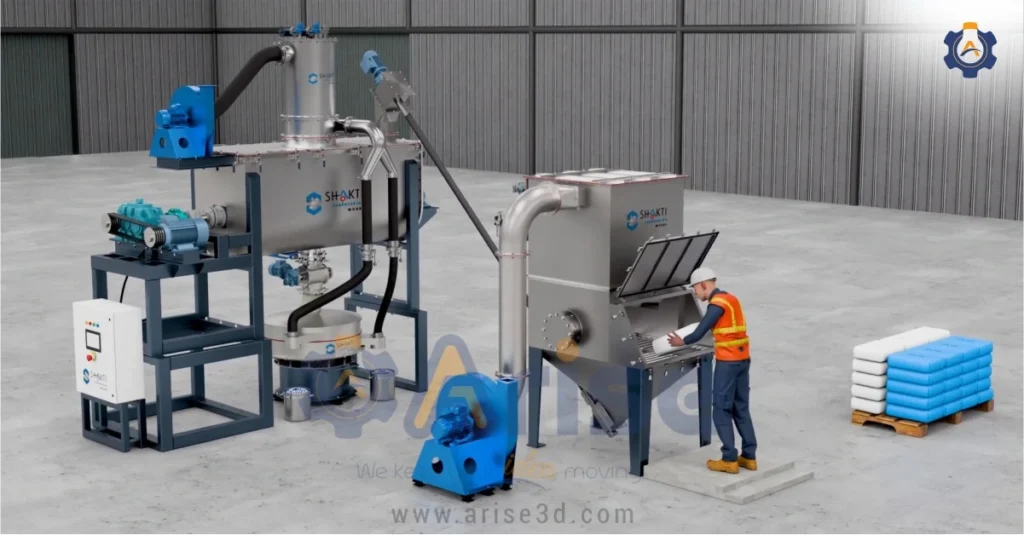
3D corporate animation is an impactful way to convey your message to your audience. It simplifies complicated ideas, making them easier to understand with clear, visually appealing content. By using animation, you can present your brand’s story, showcase products, or demonstrate processes in a way that captures attention and keeps viewers engaged. This form of […]
A Guide to 3D Technical Animation for B2B Companies
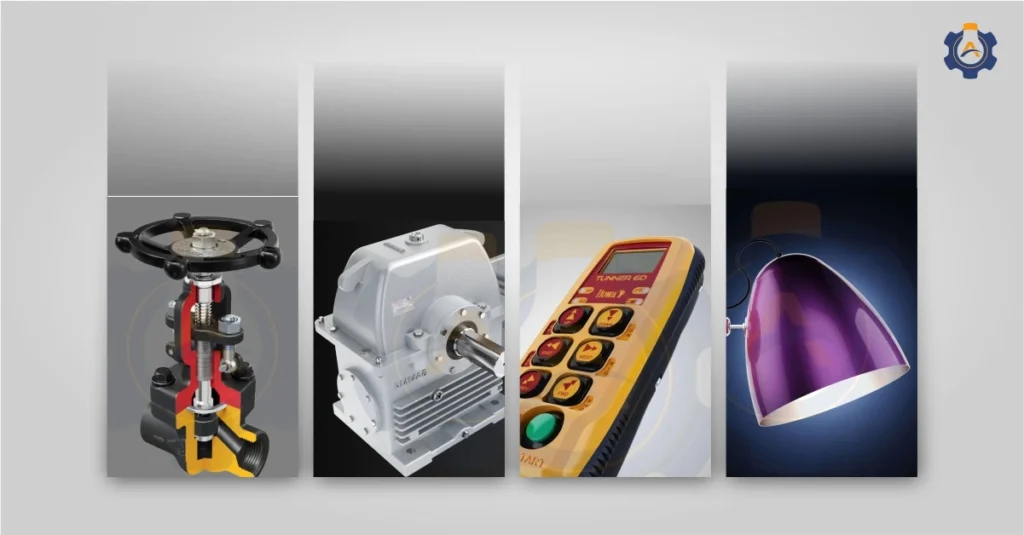
Explaining complex products is one of the toughest challenges in the business-to-business(B2B) industry. People want clarity, yet brochures, static product photos, and detailed product manuals rarely capture true product value. 3D technical animation for B2B companies solves this by converting products into dynamic, interactive visuals that anyone can easily understand. Instead of just descriptions, it […]
Explaining Smart Water Systems Through 3D Technical Animation
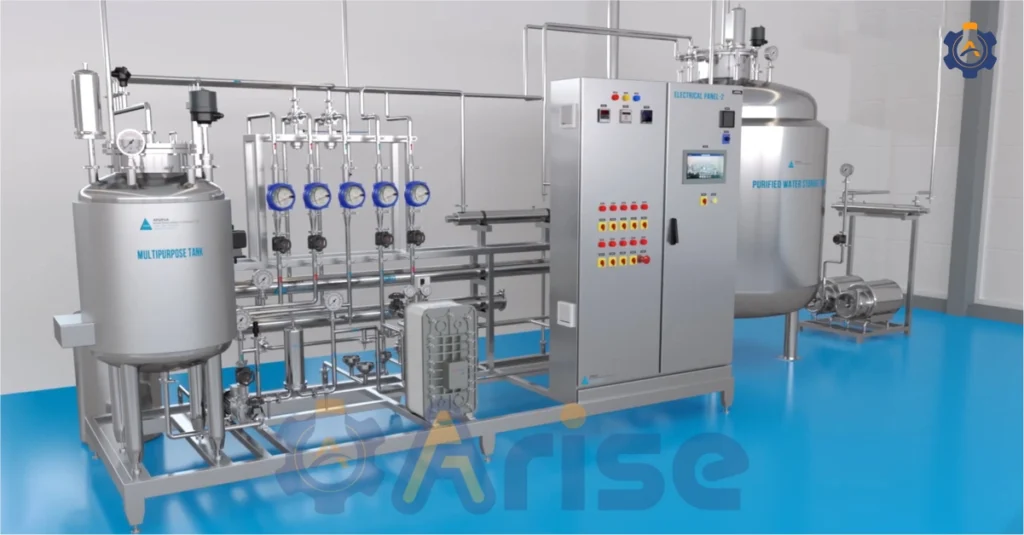
What makes a water system ‘smart’? It is its ability to sense, react, and manage water in real time using technology that tracks usage, detects leaks, and adjusts flow automatically. But even today, most people cannot picture what that even looks like. That’s why 3D technical animation for smart water systems is becoming so important. […]
In-House vs Outsourced 3D Technical Animation: Why Most Firms Choose to Outsource?
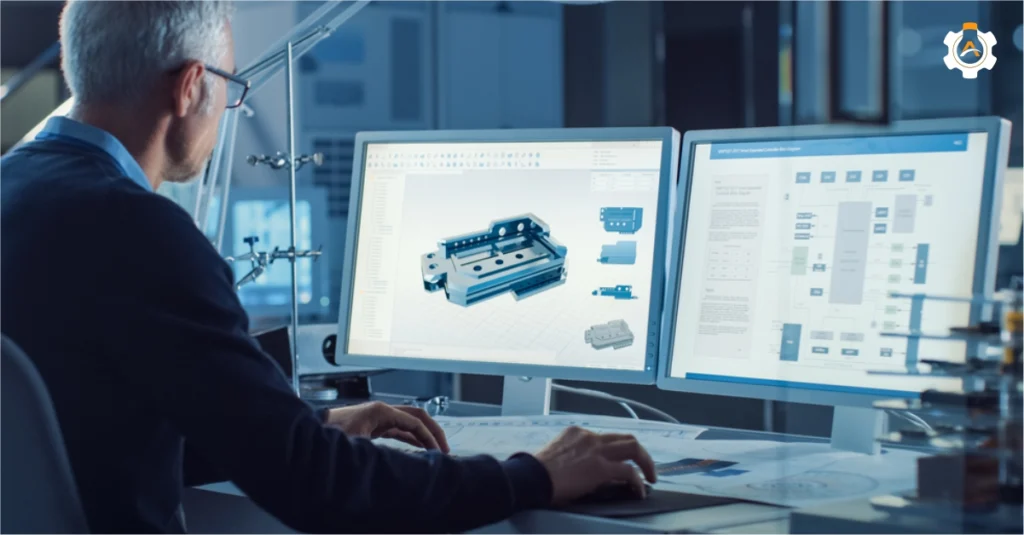
Today, skilled 3D animators are hard to find, software licenses are expensive, and even average talent comes with high salary expectations. On top of that, there is constant pressure to keep up with new tools, manage heavy rendering timelines, and handle client revision cycles. All this is making in-house production slow, stressful, and unsustainable. That […]
How 3D Animation Simplifies Complex Pharma Machinery Demonstrations
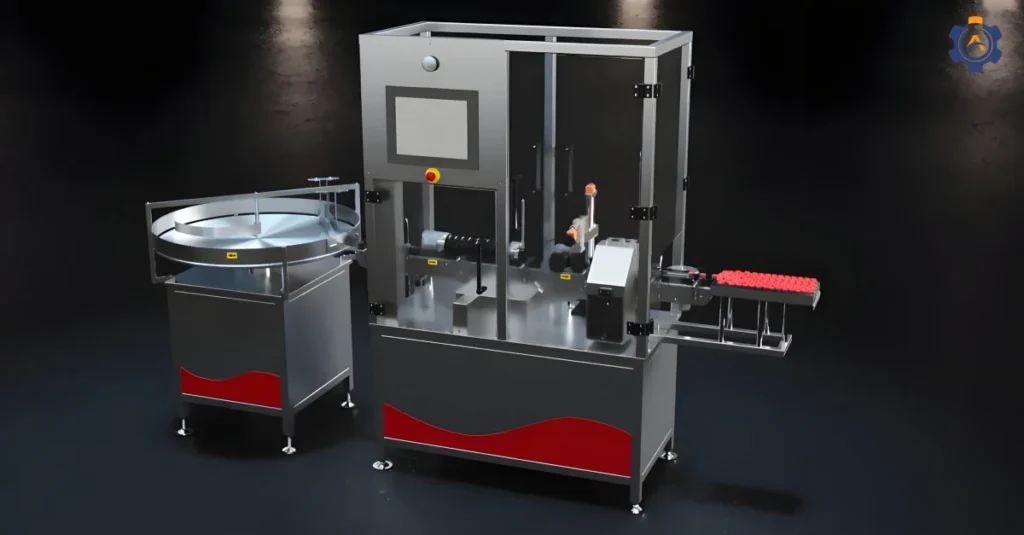
Pharmaceutical machinery is not just complex, but it is also difficult to explain with words, static images, or even live demonstrations. Try describing how a high-speed rotary tablet press precisely compresses powder into perfect pills at a rate of 10,000 units per minute, or explaining why a lyophilizer (freeze dryer) requires temperatures of -50°C and […]
Lighting Techniques in 3D Renders for Manufacturing Industries
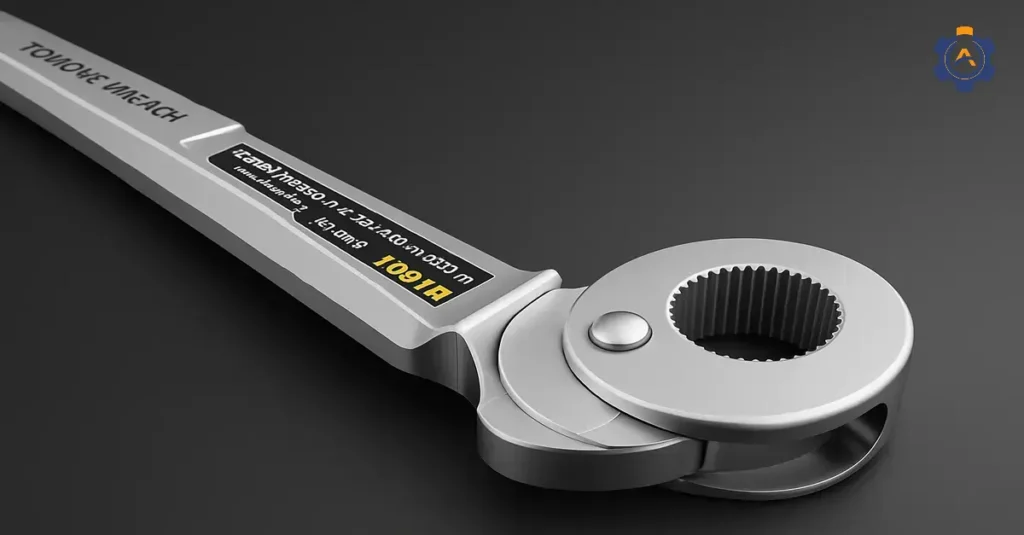
In 3D visualization, lighting is the equivalent of sight. It defines how we interpret an image’s reflection, depth, and emotion. When we look at a 3D-rendered product, what we perceive as its sharpness, texture, or even how “REAL” it feels is often a direct result of the lighting choices. HDRI lighting for product visualization captures […]