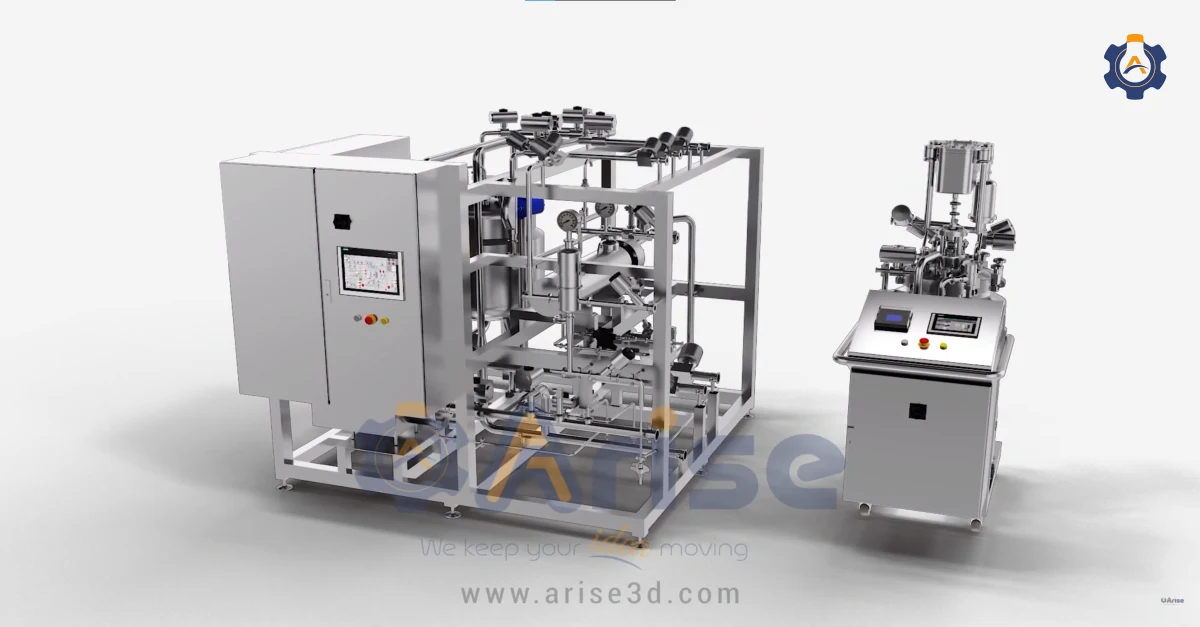
Across the manufacturing, engineering, and healthcare sectors, one challenge consistently slows growth: explaining complex products to decision-makers who lack the same technical background.
In our 10+ years of experience, we have seen that B2B buyers disengage when product information is too detailed or unclear. Traditional methods include 2D videos, complex technical diagrams, and physical prototypes (mockups).
Live demos can help, but they are costly, time-consuming, and not always practical. This is where B2B 3D product animation delivers unmatched value. By showing products with movement with absolute precision, it bridges the gap between technical detail and business clarity; that alignment doesn’t just build confidence; it enables quicker decisions and reinforces trust in your brand!
Key-Takeaways
3D product animation simplifies complex mechanisms into clear visuals, aligning engineers, procurement, and leadership.
3D animations reduce the sales cycle by eliminating repeated explanations and accelerating stakeholder consensus.
Animated videos are reusable across the web, training, and events, replacing prototypes and lowering demonstration costs.
3D animation’s storytelling communicates across languages, improving global reach without costly localisation or misinterpretation.
3D animations update faster than brochures or reshoots, protecting investment and keeping messaging consistent.
Effective 3D animation projects succeed when the partner you choose has industry experience, a structured workflow, marketing, budget, and timeline alignment.
Key Benefits of 3D Product Animation for B2B Businesses
1) Improved Clarity in Complex Product Communication
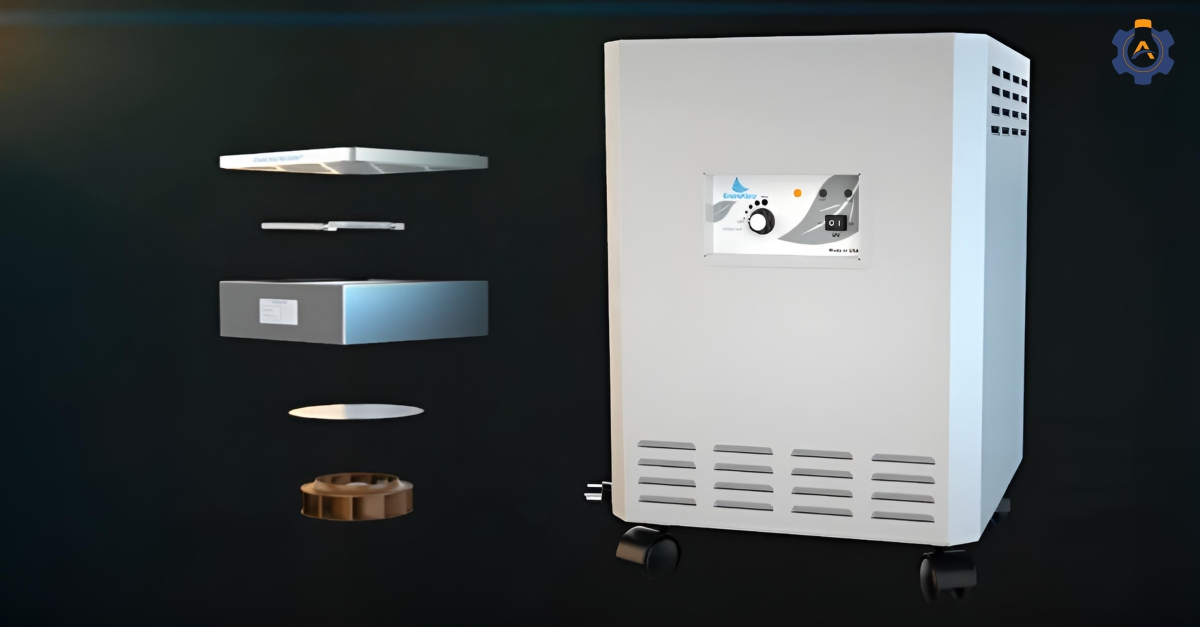
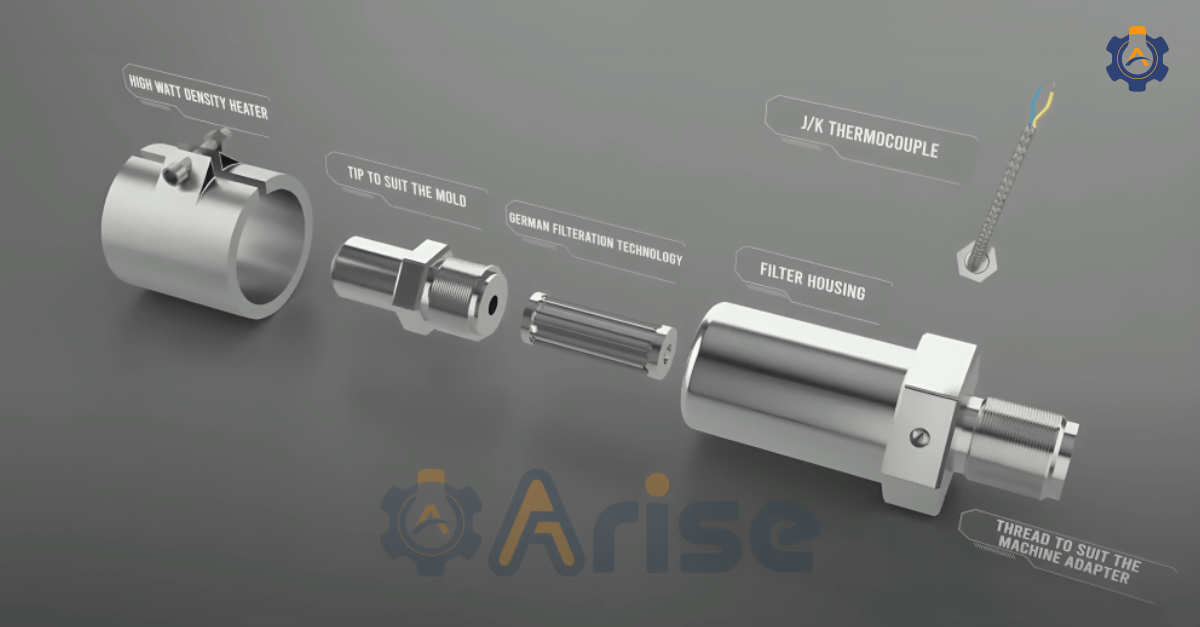
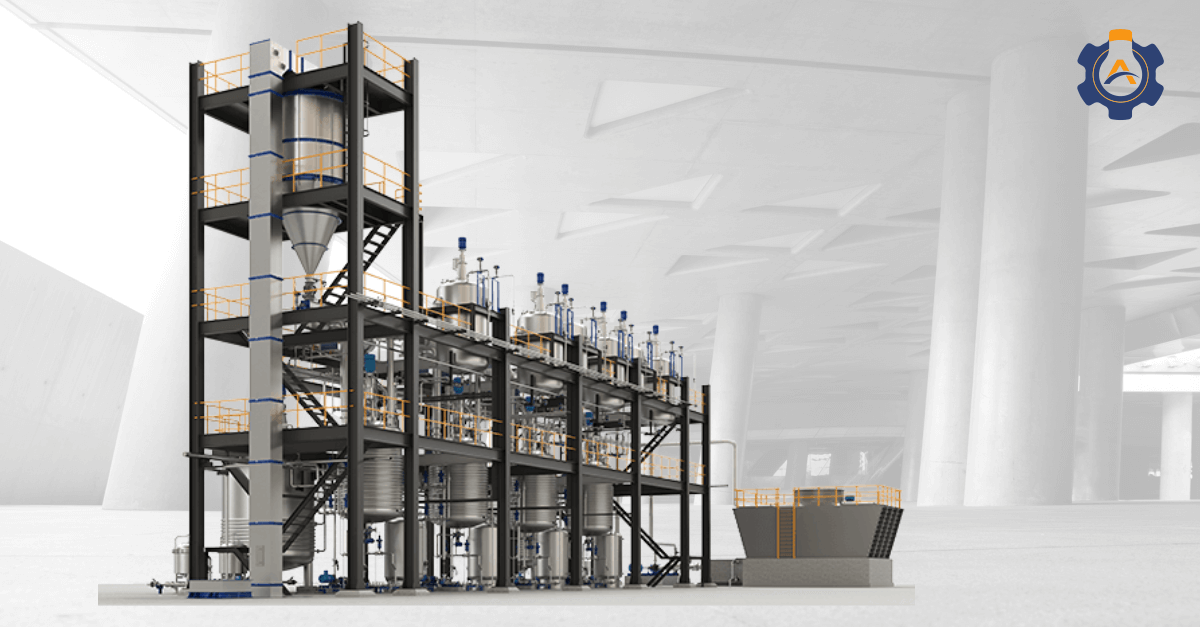
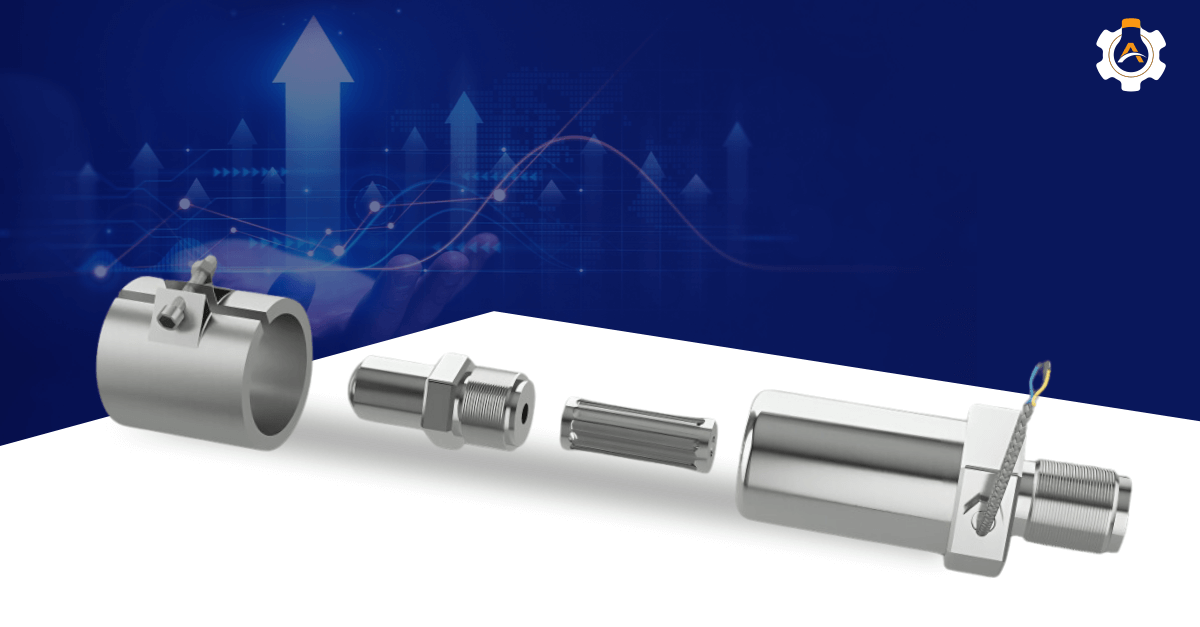
Explaining a technical product to a non-technical buyer is one of the biggest challenges in B2B sales. Manuals, diagrams, and even 2D videos often overpower rather than inform. 3D product animation for B2B marketing breaks the complexity and delivers clarity by visually showing how products function, assemble, and add value.
Why it matters: In multi-stakeholder B2B deals, when everyone from engineers to procurement managers “sees the same picture,” alignment happens faster.
2) Builds Trust and Strengthens Brand Authority
In B2B, perception directly influences credibility. Buyers want to see professionalism, innovation, and technical confidence before they commit to high-value contracts. 3D product animation for manufacturing firms positions your company as a forward-thinking partner that invests in clarity and transparency.
According to studies, 95% of viewers retain information presented in video compared to 10% from text.
Why it works: When your product is visualized with detail and precision, prospects feel assured that the company behind it is equally committed to excellence.
3) Accelerates Sales Cycles
B2B sales cycles often stretch for weeks or months because buyers hesitate or require repeated clarifications.
By cutting down on confusion, B2B 3D product animation helps decision-makers grasp the product faster and commit sooner. An all-time high of 98% of people have watched explainer videos to learn more about products or services, confirming animation’s role as the preferred learning format.
4) Cost Efficiency Across Marketing & Training
Unlike live demos or repeated physical prototyping, animations can be reused endlessly across campaigns, training, and internal presentations. This makes 3D product animation for B2B marketing a cost-effective asset rather than a one-time expense.
We know that the cost of 3D product animation is a major concern. The reality is that upfront costs are often outweighed by the long-term savings; one animation can be repurposed across web, trade shows, investor decks, and training modules.
“What used to cost us thousands per live demo is now solved by a single animation.” — Operations Head, B2B machinery supplier.
5) Enhanced Brand Authority and Market Positioning
Companies utilizing 3D product animation signal innovation, leadership, and technical efficiency to potential clients. This visual technology positions brands as forward-thinking partners worthy of premium pricing.
47% of B2B marketers rate video as the most effective content type for moving prospects through the sales funnel.
6) Global Market Reach and Language-Independent Communication
3D product animation for B2B marketing exceeds language barriers, enabling international market expansion.
Visual demonstrations communicate technical concepts universally, eliminating translation costs and cultural misunderstandings.
7) Cost-Effective Alternative to Physical Prototypes
Physical prototypes cost thousands of dollars and weeks to produce, whereas 3D product animation provides realistic product demonstrations without manufacturing expenses, shipping logistics, or storage requirements.
“Our clients in the energy and power sector save an average of $50,000 per product launch by replacing physical demonstrations with photorealistic 3D animations. The ROI typically materializes within the first quarter of implementation.”
8) Future-Proof Content Investment
Unlike brochures or manuals that go outdated quickly, animations can be updated and repurposed with minimal effort. This makes B2B 3D product animation a future-proof asset.
Expert Note: When product iterations happen, updating a 3D animation is significantly faster than reprinting or re-shooting video footage. This adaptability ensures consistent brand communication.
9) Higher Engagement Across Digital Platforms
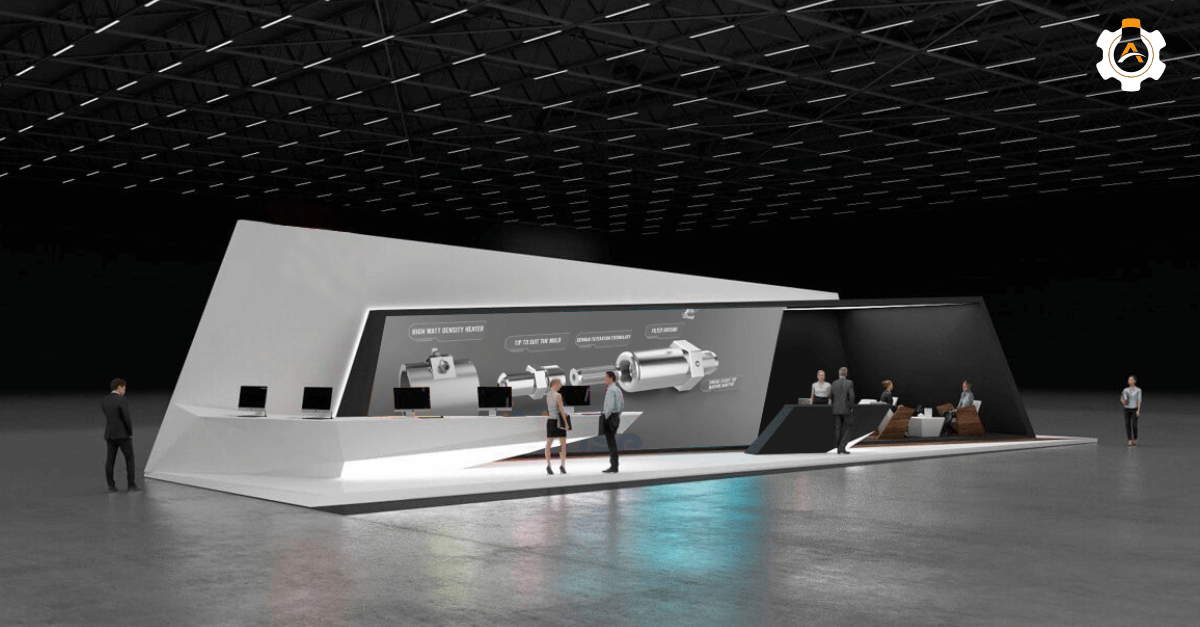
There’s no shortage of content for B2B buyers. To truly stand out, you need more than just information; you need engagement. 3D product animation solution not only captures attention but also increases time spent interacting with your content.
Real-World B2B Applications of 3D Product Animation
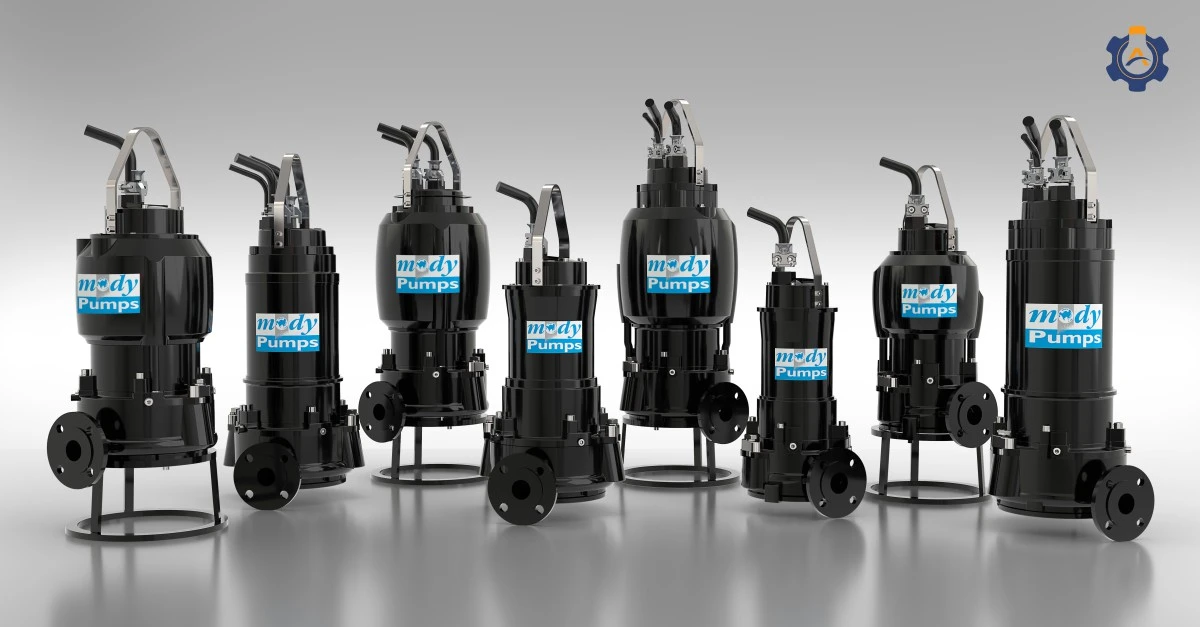
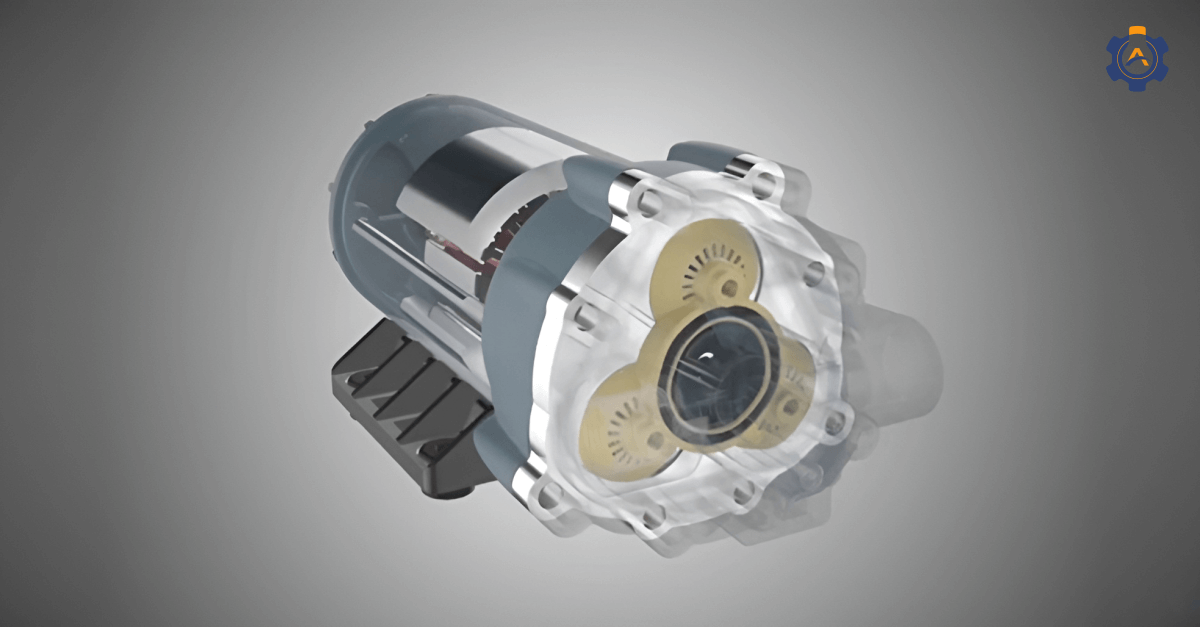
1 ALFA PUMP
2 Industrial Helical Gearbox for Crane Duty
3 Lexcrue RO Pump
How Much Does 3D Product Animation Cost?
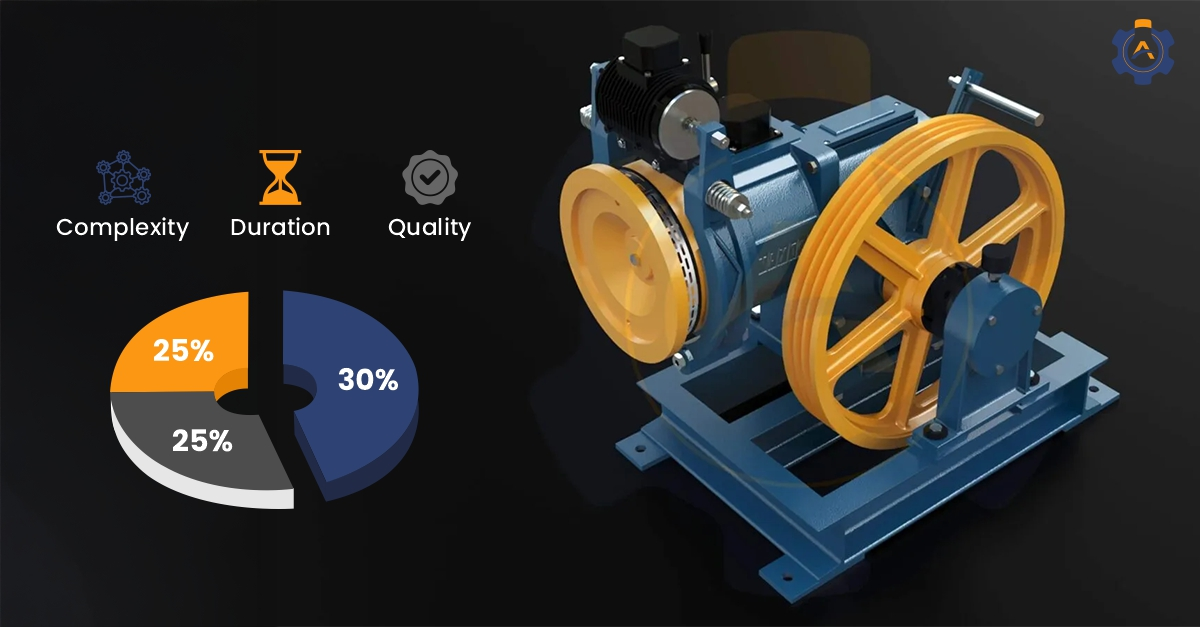
Cost is often the first question B2B companies ask when exploring 3D product animation. The answer isn’t fixed, but it depends on complexity, length, level of detail, and usage.
What matters most is viewing it as an investment, not just an expense. A single high-quality animation can serve across sales, marketing, and training, delivering returns far beyond its initial price.
For a full breakdown with examples and pricing insights, we have created a dedicated guide on the ‘Cost of 3D Product Animation’. [Read the complete blog here →]
Choosing the Right 3D Product Animation Partner
For most B2B companies, partnering with an external studio is the most efficient and effective path. The right partner becomes an extension of your marketing team, while the wrong one can lead to missed deadlines, blown budgets, and a final product that doesn’t meet your goals. Here’s what to look for:
Key Factors to Evaluate:
1) Industry Experience & Portfolio
What to Look For: Do they have experience in the B2B or industrial sector? Look for examples in their portfolio that are similar to what you need (e.g., industrial animations, architectural visualizations, medical device explainers).
A studio that only makes video game trailers might not understand how to communicate technical value to engineers.
Question to Ask:
“Can you show us examples of projects you have done for clients in my industry?”
2) Process & Collaboration
What to Look For: A clear, structured process is non-negotiable. It should include stages like discovery, script/storyboard approval, 3D modeling, animation blocking, and final rendering.
Ensure there are clear points for your feedback and approval.
Question to Ask:
“Can you walk us through your typical project workflow and explain how we would provide feedback at each stage?”
3) Technical Expertise & Style
What to Look For: Review their technical capability. Is the animation smooth? Are the materials and lighting realistic? Also, ensure their artistic style aligns with your brand, whether you need hyper-realism, sleek and modern CGI, or a more simplified cartoon style.
Question to Ask:
“What software do you typically use, and how do you handle complex technical details?”
4) Understanding of Marketing Objectives
What to Look For: This is crucial. The best partners are not just animators; they are storytellers who ask questions about your target audience, key message, and call to action. They should be focused on achieving your business goal, not just creating a “cool video.”
Question to Ask: “How would you approach creating an animation that convinces [our target buyer] of our product’s key benefit?”
5) Communication & Project Management
What to Look For: You need a single, clear point of contact. Are they responsive and professional in their communications? Poor communication during the sales process is a major red flag for how the project will run.
Question to Ask:
“Who would be our main day-to-day contact, and what is your typical response time?”
6) Budget & Timeline
What to Look For: Be upfront about your budget. A reputable partner will be transparent about costs and what is feasible within your range. They should provide a detailed proposal and a realistic timeline.
Question to Ask:
“Can you provide a fixed-price quote and a project timeline with key milestones?”
FAQ’s
1) How is 3D product animation helpful for B2B businesses?
3D animation clarifies complex products, boosts engagement, and shortens sales cycles.
2) How can I choose the right 3D product animation partner for my business?
Choose a partner with proven industry experience, a strong portfolio, and a collaborative process.
Conclusion
Having an experience of more than a decade, Arise 3D has partnered with leading B2B industries manufacturing, engineering, energy, and more, helping them present complex products with absolute clarity. We understand that in the B2B space, decision-makers value precision, speed, and trust. That’s exactly what our 3D animations deliver.
Think less about explaining and more about engaging, and Arise 3D is making it easy.