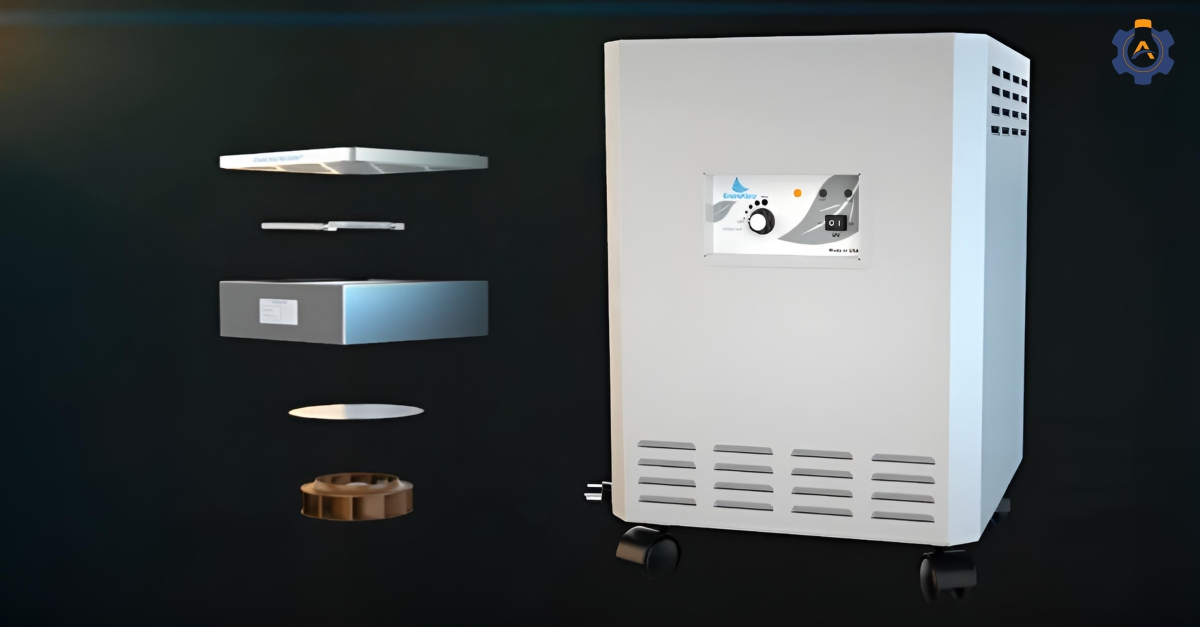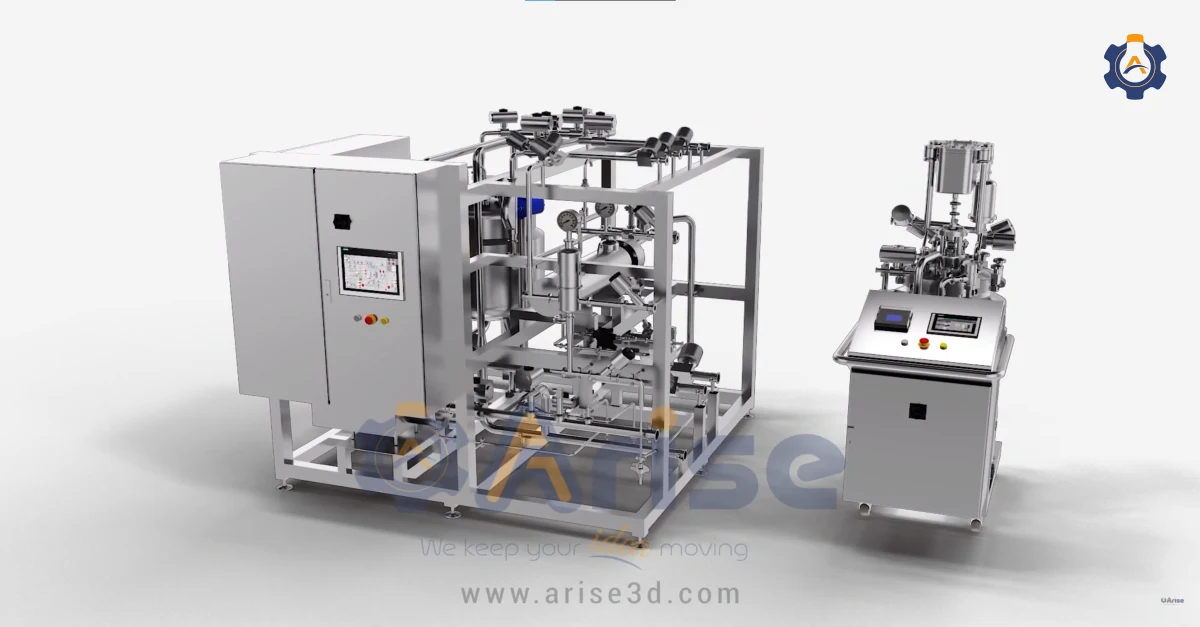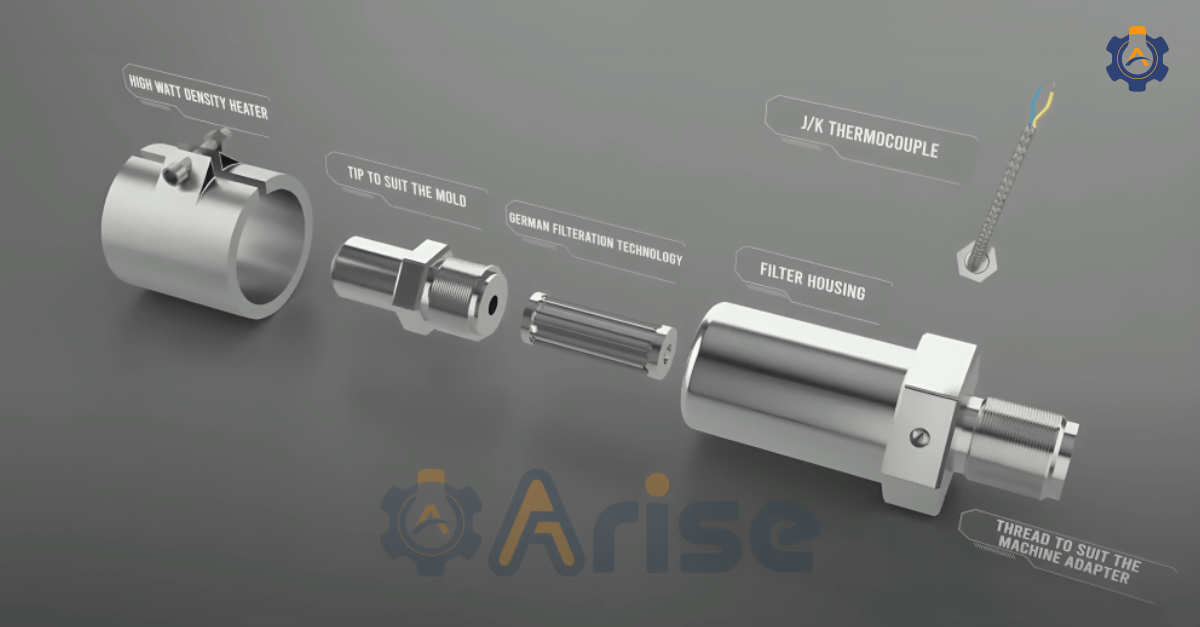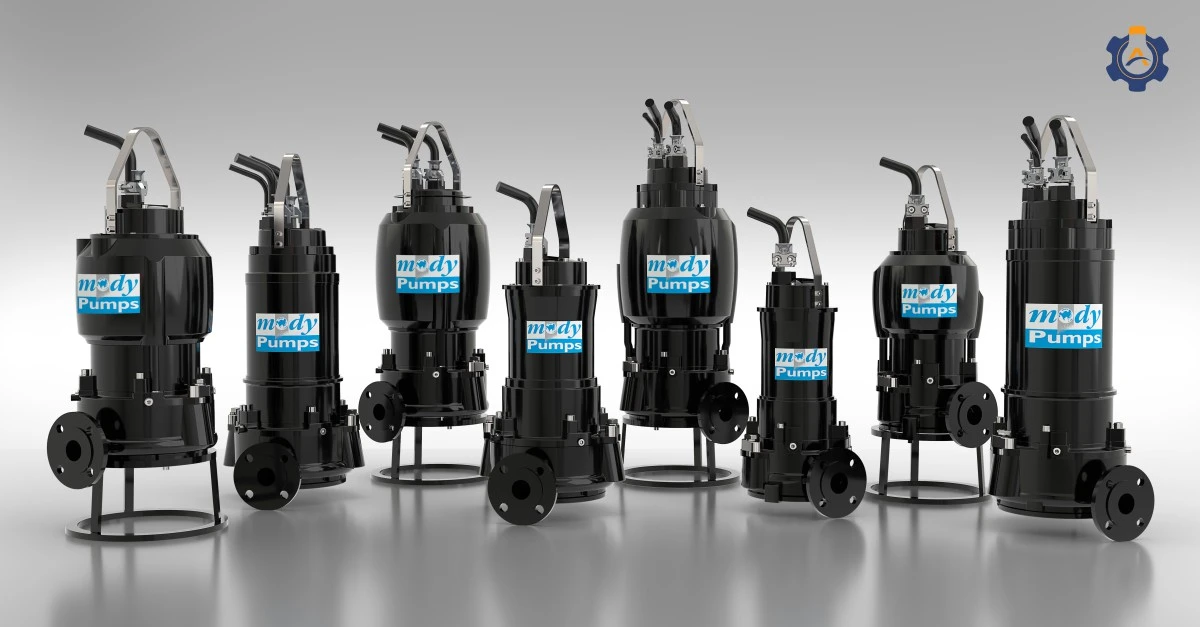
3D product animation services costs can range from $1,000 to $ 100,000 or more in 2026.
We are sure you’ve probably seen those animations, “starting from $100,” only to discover that it gets you a simple 3D showcase of your product, basic lighting/ shadow, no details/texture & your logo on it. Not exactly what you had in mind for showcasing your revolutionary product, right?
Most businesses today end up paying 3-5 times their initial budget because they didn’t understand what goes into professional 3D product animation. One minute you’re quoted $2,000 for a “simple” product showcase, the next you’re looking at $15,000 because you need multiple angles, 360-degree rotation, custom lighting, and yes – didn’t you want it to look different from your competitors? Of course, yes! (And, this means you will be charged extra).
The massive gap in the price does not only mean professionals are asking for more. There are legitimate reasons why one animation costs $800 and another costs $18,000, and why per-minute 3D animation production process rates change. Understanding these differences is the key to getting exactly what you need.
In 2026, smart businesses are not just asking about 3D product video production cost; they are asking the right questions to ensure every dollar they invest delivers an impact.
Key-Takeaways
3D animation can increase conversion rates by 20-30% leading to higher retention, as well as an increase in user trust.
Businesses that use animated explainer videos in their marketing see significantly higher ROI than those relying only on text or static images.
3D product animation content makes advertising up to 30% more profitable than non-animated content.
Customers spend 44% more time interacting with 3D content versus static images/ traditional videos.
What Goes Into the Full Cost of a 3D Product Animation(Complete Breakdown)
1. Pre-Production Costs
Preproduction is the planning stage; it includes everything needed to start production with clarity and direction.
Typical preproduction steps & cost ranges :
Scriptwriting: $200–$500 per animation
Storyboarding & Animatic: $200–$400 per minute
Concept Art: $200–$1,000 per piece, depending on detail
What is included?
Creative brainstorming and brief
Research and reference collection
Script development (narrative, key message)
Storyboard sketches and motion planning
Animatic (timed visual rough draft)
Concept art (visual style and design direction)
2. Production Costs
Production is the most resource-intensive stage and typically consumes the largest share of the budget.
Key production components & price ranges :
| Service | Approx range (USD) |
| 3D Modelling | $1500 -$5000 |
| 3D Environment Design | $1500 -$5000 per scene |
| 3D Environment Design | $1000 – $5000 per minute |
| Lightning (per environment) | $200 – $500 per scene |
What is included?
Creation of all 3D models(product, environment, props)
Rigging (for animated objects/characters)
Animation of all objects, cameras, and visual effects
Material and texture application
Scene lighting and mood creation
Camera framing, blocking, and sequencing
3. Technical Production Costs
Technical production involves infrastructure, software, and computational demands – often billed separately for complex projects or fast turnarounds.
Typical technical costs:
Software licenses: Specialized tools for simulation/effects: $100–$1,000+ per project.
Hardware/render farm usage: $10–$30 per hour (rendering high-res/realistic sequences).
Specialized VFX: Custom simulations, dynamics, physics: $500–$5,000+ per effect/shot.
Additional revisions: Can cause extra hourly or per-task charges (it changes from provider to provider).
What is included?
Use of high-performance computers or cloud rendering
Third-party plugin/software costs
Integration of advanced effects or high-level detail
Data storage and transfer
4. Post-Production Costs
Post-production polishes the output for maximum impact and brings together sound, picture, and final edits.
Typical technical costs:
Editing & compositing: $100–$500 per minute
Music licensing: $250–$2,000 per project
Sound FX: $100–$300 per minute
Color grading, subtitles, versioning: $200–$500 per minute (optional)
What is included?
Final compositing of all scenes
Adding/syncing music and sound effects
Audio mixing and mastering
Color enhancement and final polish
Output in required formats and resolutions
Summary – On average, around 20% of your budget will go towards the pre-production stage, 40% towards the production phase, 20% for technical production, and 20% for post-production.
How Does the Duration of Animation Impact the Cost?
| Duration Category | Time- Frame | Good Quality Cost | High Quality Cost |
| Micro Duration Animations | 5-15 seconds | $1000 to $2000 | $2,000 to $4,000 |
| Short Form Animations | 15-30 seconds | $2000 to $3500 | $3,500 to $6,000 |
| Medium Length Animations | 30-60 seconds | $3500 to $5000 | $6,000 to $9,000 |
| Standard Length Animations | 60-90 seconds | $5000 to $7500 | $9,000 to $12,000 |
| Extended Length Animations | 2-5 minutes | $7500 to $15000 | $12,000 to $25,000 |
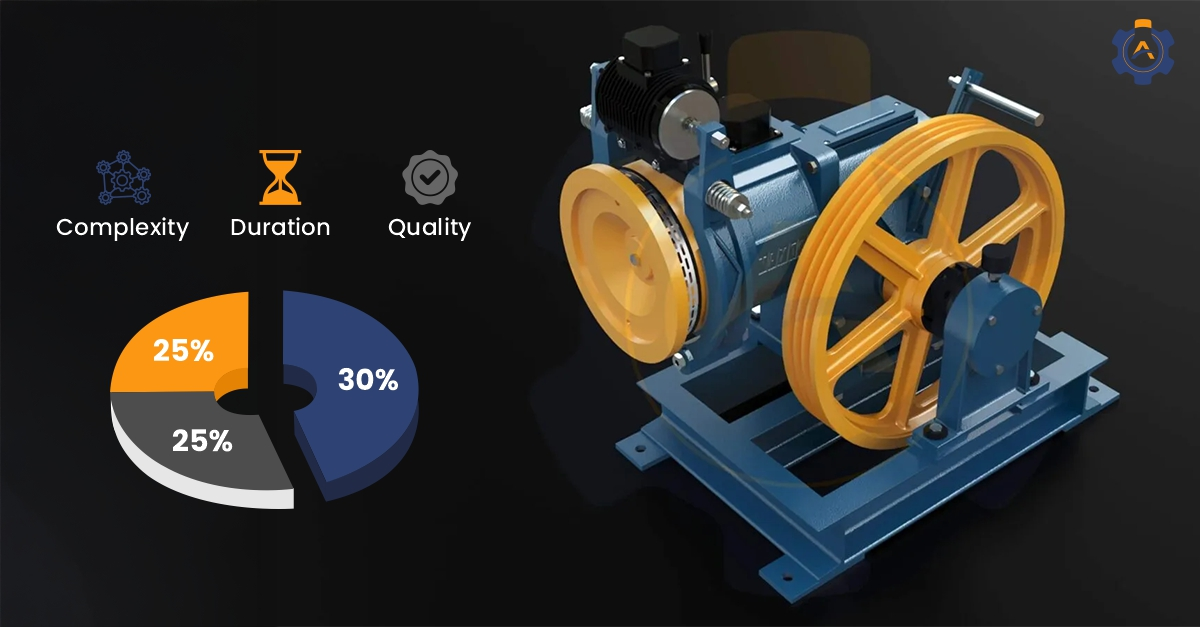
How Do Animation Style, Complexity, and Quality Determine 3D Animation Costs?
1. Animation Style
Different animation styles require different levels of effort and expertise, impacting costs. Let us see how;
– Realistic 3D Animation :
Requires high-end modeling, texturing, lighting, and rigging.
Cost: $25,000–$100,000+ per minute
– Stylized 3D Animation
Simplified textures and shapes reduce rendering time.
Cost: $10,000–$50,000 per minute
– Motion Graphics (3D Hybrid) (e.g., explainer videos)
Uses simpler models and limited character animation.
Cost: $5,000–$20,000 per minute
Why? Realistic animation demands photorealistic textures, physics simulations, and complex lighting, while stylized animation can cut corners with non-realistic shading.
2. Complexity
The complexity of models, scenes, and movement directly affects costs, here is how;
– Model Complexity
A simple 3D model: $500–$2,000 per asset.
A highly detailed model: $5,000–$20,000+
– Scene Density
A sparse scene vs. a crowded cityscape with hundreds of assets.
Cost impact: 2–5x more for dense environments.
– Animation Rigging & Dynamics
Basic rigging: $1,000–$5,000 per character.
Advanced rigging (facial capture, muscle simulation): $10,000–$50,000+
3. Quality (Resolution, Frame Rate, Detailing)
Higher quality means more time and resources such as;
– Resolution & Render Quality
1080p vs. 4K/8K: 2–4x render time increases.
Ray tracing adds 30–50% to rendering costs.
– Frame Rate
24fps (standard) vs. 60fps (high-end gaming): Double the rendering time.
– Textures & Lighting
Procedural textures vs. hand-painted: $2,000–$10,000 difference per asset.
All three work together — a basic style at high quality might still be cheaper than a complex cinematic scene at moderate quality.
What are the Key Factors That Affect the Cost of 3D Product Animation?
1. Complexity of the Product Design
The more complex your product (think any complex product versus a simple consumer item), the more time and expertise it takes to animate and render every detail while serving the best benefits of 3D product animation.
2. Level of Animation Detail & Realism
Basic motion (like rotating a product) costs far less than hyper-realistic simulations (like showing how a valve handles pressure flow).
Realism needs high-end textures, lighting, and physics simulations, all of which increase production time and cost.
3. Duration of the Animation
More seconds = more frames to render, more motion to animate, and more post-production polish. A 30-second animation is a different thing to do (and budget) compared to a 5-minute product showcase.
4. Rendering Quality & Output Requirements
4K cinematic rendering? Photorealistic shadows and reflections? Each one of them demands specialized software, longer rendering times, and more processing power, pushing costs higher.
5. Revisions & Iterations
Every “small tweak” requires new renders, edits, or re-animations. Projects with unclear direction or frequent changes naturally increase costs.
Example: “Brands considering 3D product animation for marketing should focus on reusable assets, efficient revisions, and high-impact storytelling to stretch every dollar.”
How are we solving this problem?
Our team builds detailed pre-visualizations and animatics, so clients can “see” the animation before heavy production begins. This reduces last-minute changes and protects your budget.
6. Usage Rights & Distribution Needs
Are you using the animation solely for an internal training module, or will it also appear in global TV commercials, trade shows, and interactive apps? Broader usage may require expanded licensing, higher-quality outputs, or multi-format edits, all of which impact cost.
What is the Cost Difference – Freelancer vs. Professional 3D Product Animation Agency?
| Provider Type | Hourly Rate | Cost Per Minute | What You Get? |
| Freelancer | $25 – $75/hr | $500 – $3,000 | Budget-friendly, limited revisions, slower turnaround. |
| Small/mid agency | $80 – $150/hr | $3,000 – $10,000 | Higher quality, dedicated team, faster delivery. |
| Top professional agencies | $150 – $200+/hr | $10,000 – $30,000+ | Cinematic level, enterprise campaigns, multiple revisions. |
How Does Timeline Affect the Cost of 3D Product Animation?
| Timeline | Cost Impact | Why Cost Changes? |
| 4-6 weeks (Standard timeline) | Basic price | Here you will get sufficient time for modelling, reviews and efficient rendering. |
| 2-4 weeks (Accelerated timeline) | Increase of +20 to 30% | Here there will be more animators assigned, faster rendering queues, and fewer revision cycles. |
| 1-2 weeks (Fast timeline) | Increase of +40 to 60% | Here, it will be overtime hours, premium render farm slots, and resource prioritization. |
| 1 week (Urgent timeline) | Increase of +70 to 100% | Huge team allocation, immediate turnaround, and likely skipped revision stages. |
How Do Geographical Differences Influence 3D Product Animation Costs?
1. Labor Costs (Biggest factor)
– High-cost countries (USA, UK, Canada, Western Europe):
These countries are expensive ($50–$150/hour). It offers the best quality but at a high price.
– Mid-cost countries (Eastern Europe, South America):
Here, the price range is quite balanced, not too high or low ($25–$70/hour). It comes with good quality and, fair price.
– Low-cost countries (India, Southeast Asia, Africa):
These countries are quite cheaper ($10–$40/hour). It has a lower cost, good to excellent service.
2. Software & Equipment Costs
Some regions have higher software/tool costs, which affects pricing.
Example: A U.S. animation studio offers service for $150/hour to cover $10K in software/equipment costs; a freelancer from the same country delivers comparable work for $30 or $50/hour using affordable options, as freelancers rely more on free/open-source software and tools.
3. Taxes & Business Fees
Countries with high taxes (e.g., Germany, Scandinavia) charge more. Some places offer tax breaks for animation work (e.g., Canada, Malaysia).
4. Demand & Competition
High demand in tech hubs (Silicon Valley, London) = higher prices. In this, there is less competition in some regions = lower prices.
How will you compare?
Check average rates per country.
Ask for quotes from animation agencies in different regions.
Balance cost vs. quality- cheaper isn’t always better.
What are the Different Pricing Models for 3D Product Animation?
1. Fixed Project Pricing :
A flat fee is quoted for the entire animation project based on agreed scope (e.g., $7,500 for a 60-second product demo).
Also, it will cover all phases such as storyboarding, modeling, animation, rendering, and post-production within defined deliverables.
2. Hourly or Day Rate Pricing :
Under this model, the studio or freelancer will charge by time spent – hourly ($50–$200/hr) or day rate ($400–$1,500/day).
3. Per-Minute Animation Pricing :
Under this model, the cost is based on duration (e.g., $5,000 per finished minute).
Here is how the rate varies by complexity :
Basic explainer: $2,000–$4,000/min
Mid-tier product demo: $5,000–$10,000/min
High-end cinematic: $15,000–$30,000+/min
4. Retainer / Subscription Model
Under this model, the client pays a monthly/quarterly fee for ongoing animation work. It covers a set number of deliverables (e.g., 2 videos/month) or hours per month.
5. Hybrid Models (Fixed + Hourly Add-ons)
A base price is quoted for the agreed scope (e.g., $10,000 for 90 seconds), but additional requests (extra scenes, new renders) are billed hourly.
How to Set An Estimated Budget for 3D Product Animation?
Define scope – Purpose, length, style, complexity.
Break down workflow – Modeling, texturing, animation, rendering, post-production.
Get a 3D product animation cost estimate from multiple quotes – Compare freelancers, agencies, and regions.
Check portfolios – Ensure quality matches cost.
Clarify revisions – Free vs. paid changes.
Ask about hidden fees – Sound, urgency, extra edits..
Test first – Pay for a small sample before the full project.
Lock in contract terms – Milestones, deadlines, deliverables.
FAQ’s
1) What factors will affect the cost of 3D product animation in 2026?
The cost is primarily influenced by video length, the complexity and detail required for the product and environment, the desired level of realism and overall production quality, the comprehensive scope of work (including pre-production and post-production services), the number of revisions, project urgency, the expertise and location of the animation team, and the software/licensing fees involved.
2) How much does a 60-second 3D product animation cost on average in 2026?
A 60-second 3D product animation in 2026 typically costs between $1,000 and $9,000. However, for a balance of quality and value, expect to pay around $3,500 to $8,000. High-end, photorealistic animations can cost between $10,000 and $25,000. Geographic location plays a significant role, with costs generally higher in the US ($6,690 average) and Europe ($4,320 average) compared to Asia ($1,950 average).
3) Is it cheaper to hire a freelancer or a 3D animation studio in 2026?
In 2026, hiring a freelancer for 3D product animation is generally more cost-effective for smaller or straightforward projects.
Freelancers offer more flexible rates, but you will typically manage the project yourself.
Animation studios provide professional quality, a wider range of skills, and dedicated project management, making them more expensive but often better suited for complex or larger-scale projects.
4) How does the complexity of a product design impact animation pricing?
The complexity of a product design significantly increases the cost of animation. Complex models with multiple parts, detailed textures, realistic materials, and any moving components that require rigging or complex simulations demand more specialized skills, increased production time for modeling, texturing, animation, and longer rendering times, all of which drive up the overall cost.
5) What is the typical turnaround time for a 3D product animation project in 2026?
The typical turnaround time for a 3D product animation project in 2026 ranges from 2-3 weeks for basic animations with simple movements, to 4-6 weeks for medium complexity projects involving multiple elements, and 6-8 weeks or more for highly complex animations with interactive elements or dynamic effects. This timeline includes all stages from concept to final delivery, with revisions adding additional days.
Conclusion
So, while the cost of 3D product animation can change, what matters most is getting an animation that brings your product to life.
Experts at our studio specialize in creating clear, effective 3D product animations. We handle all the complexities – from detailed modeling to smooth animation, so you don’t have to. Our goal is to make sure your product stands out, helping your audience understand its features and benefits easily.
Contact Arise3D for 3D product animation services. Let’s connect and discuss your vision.