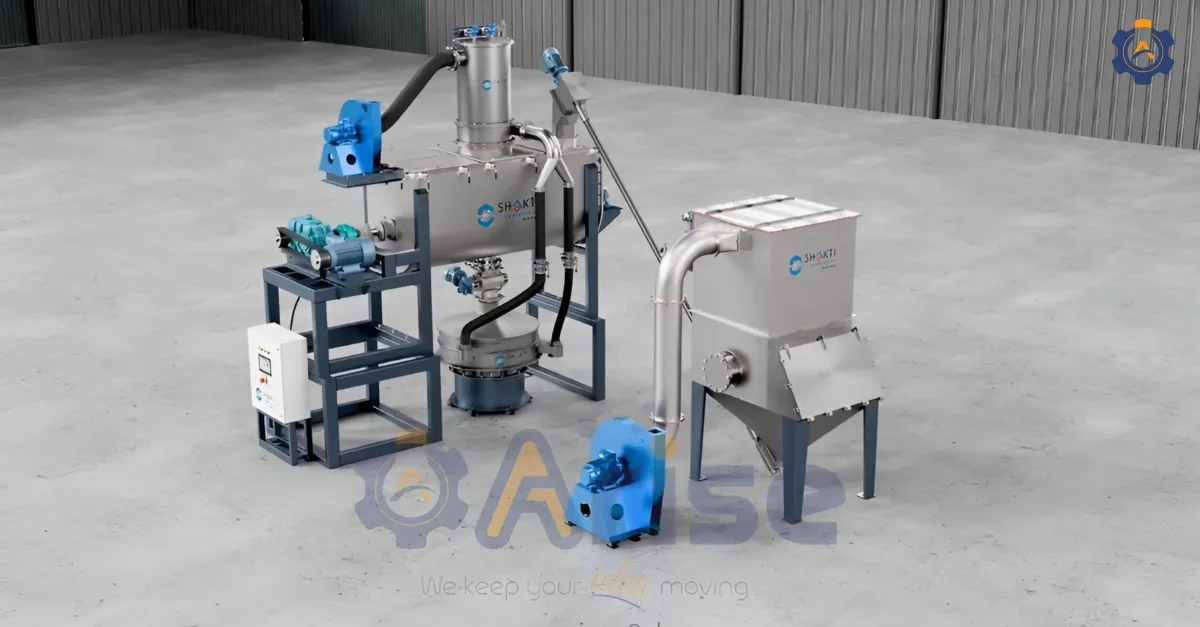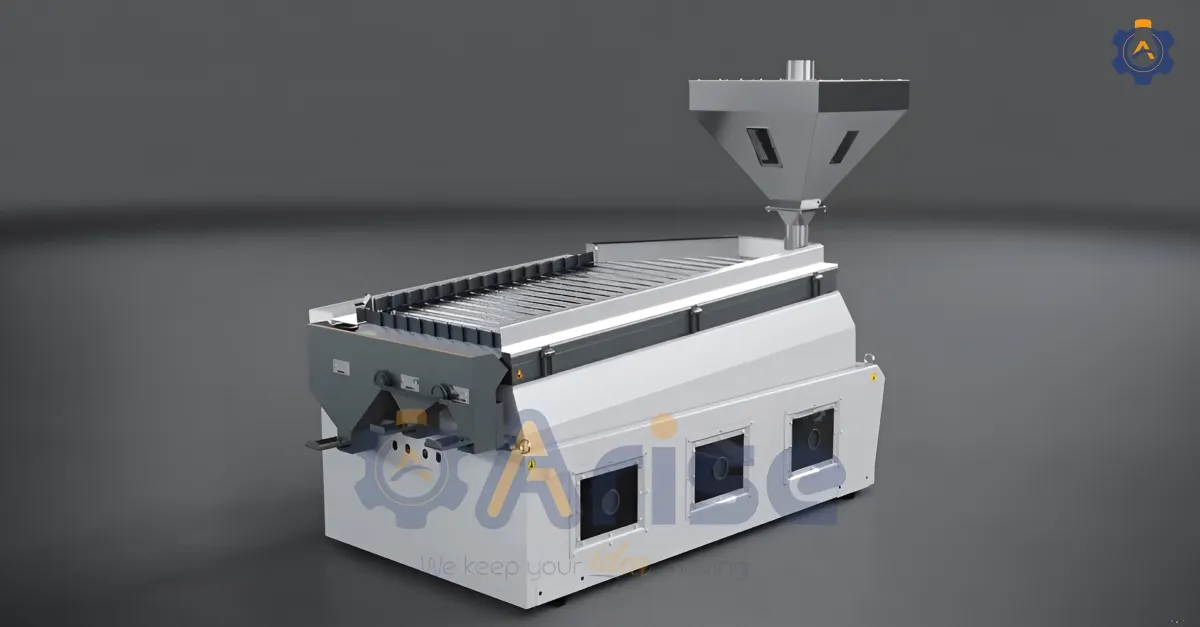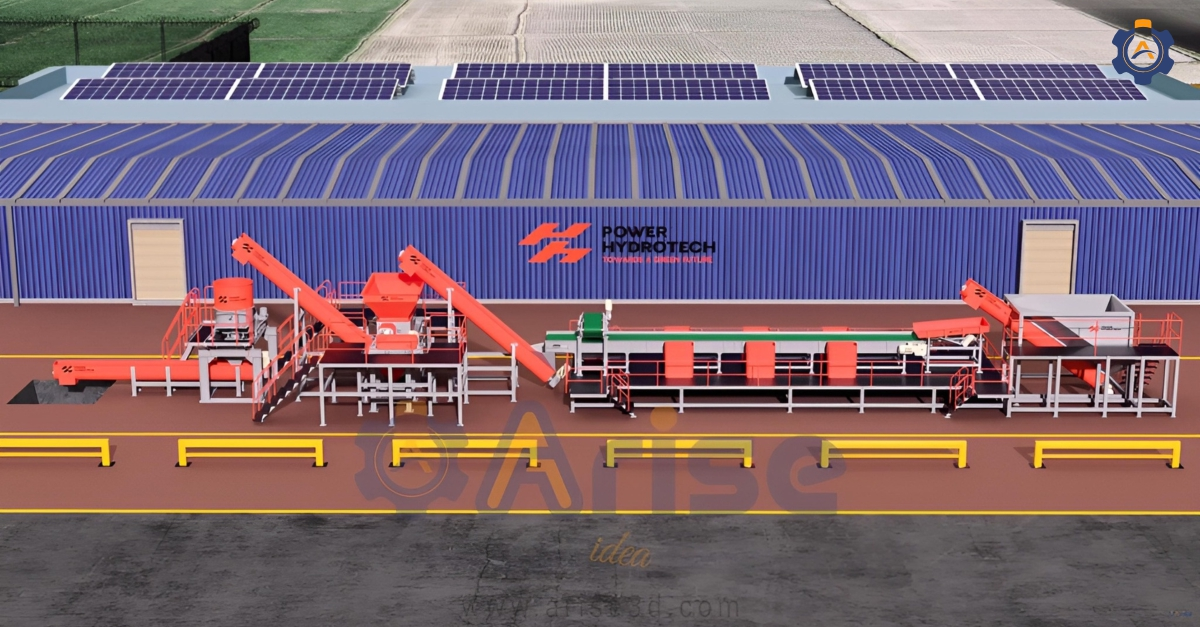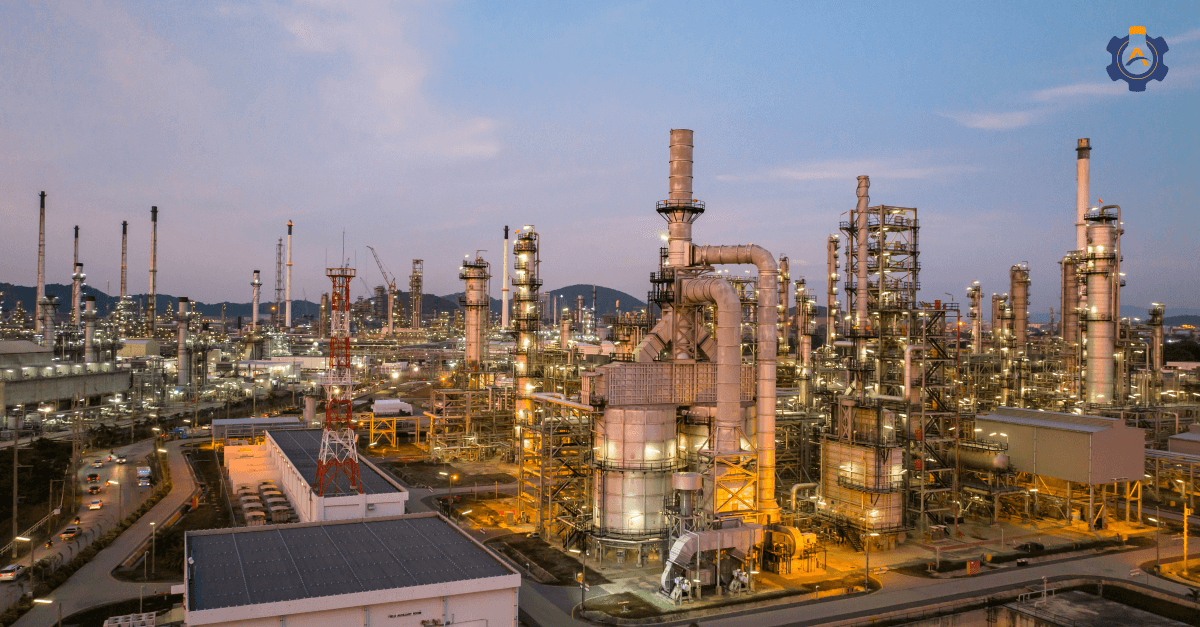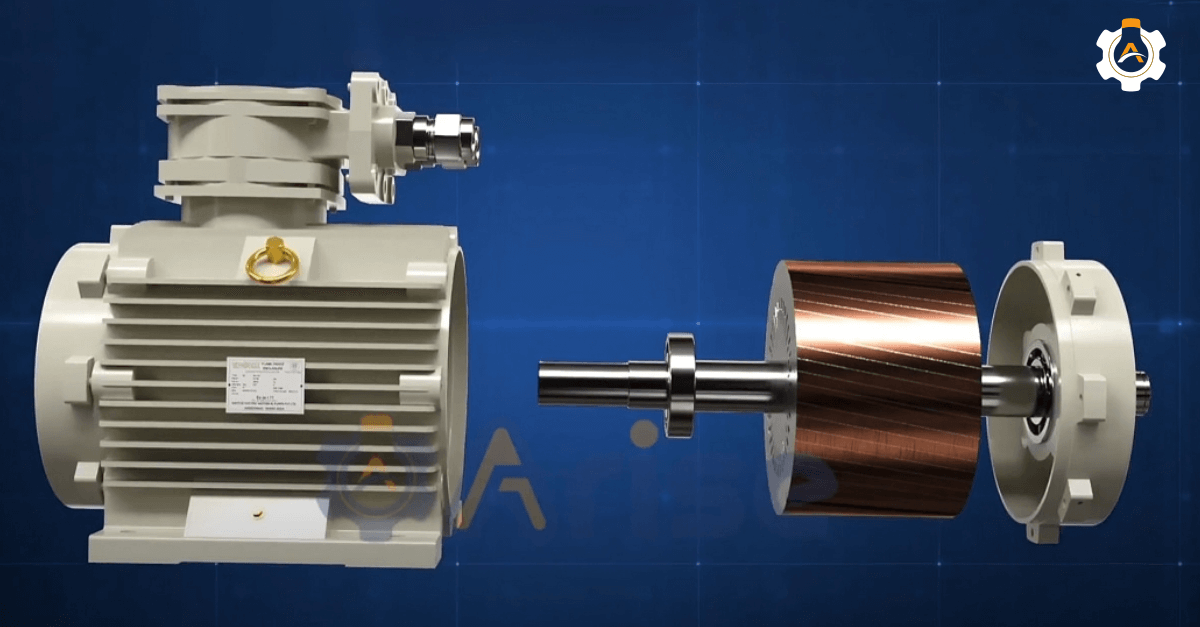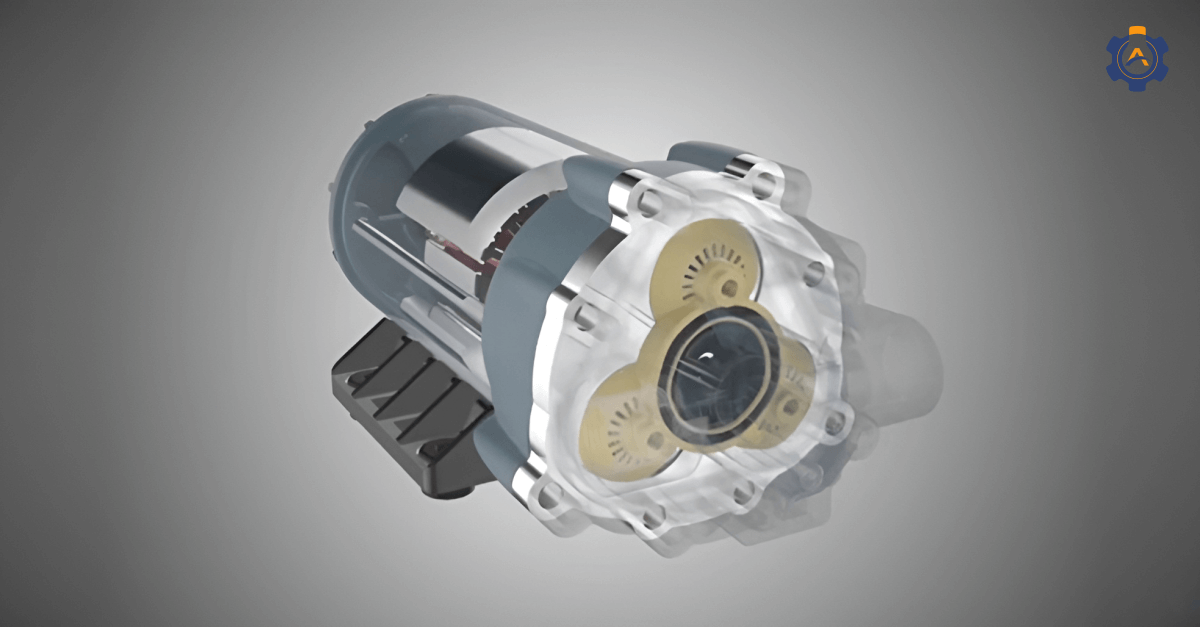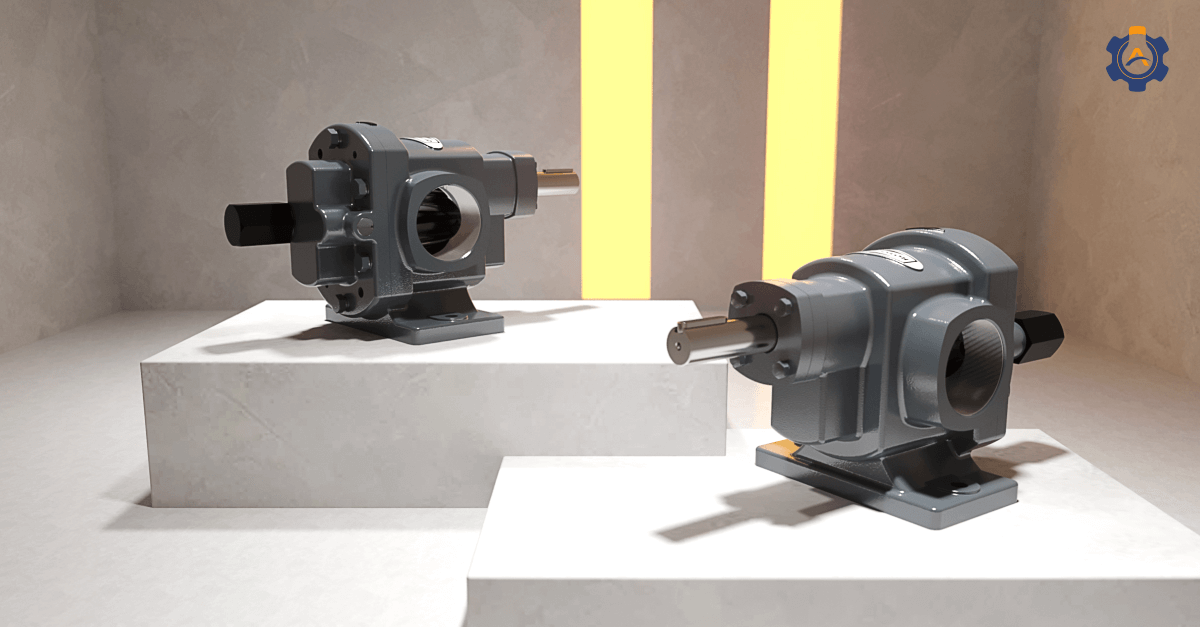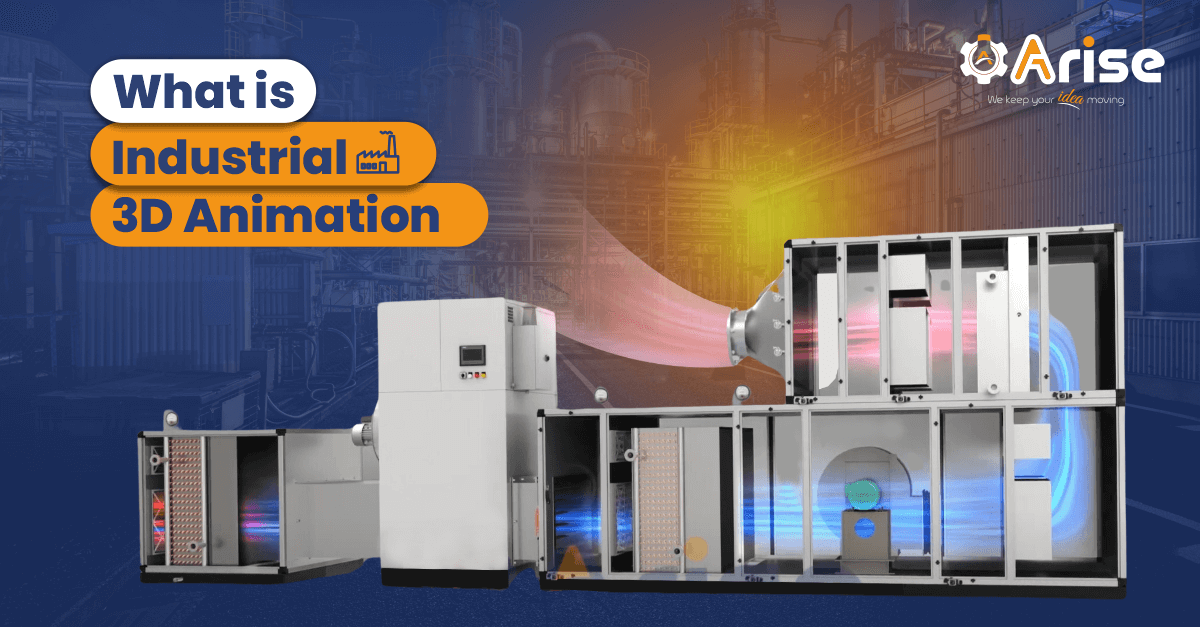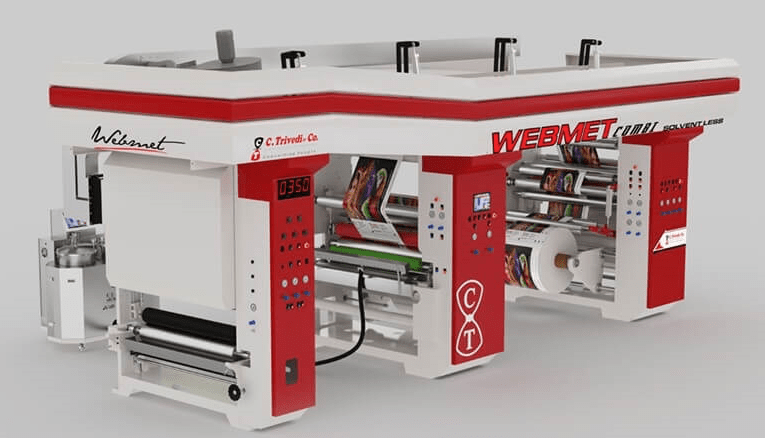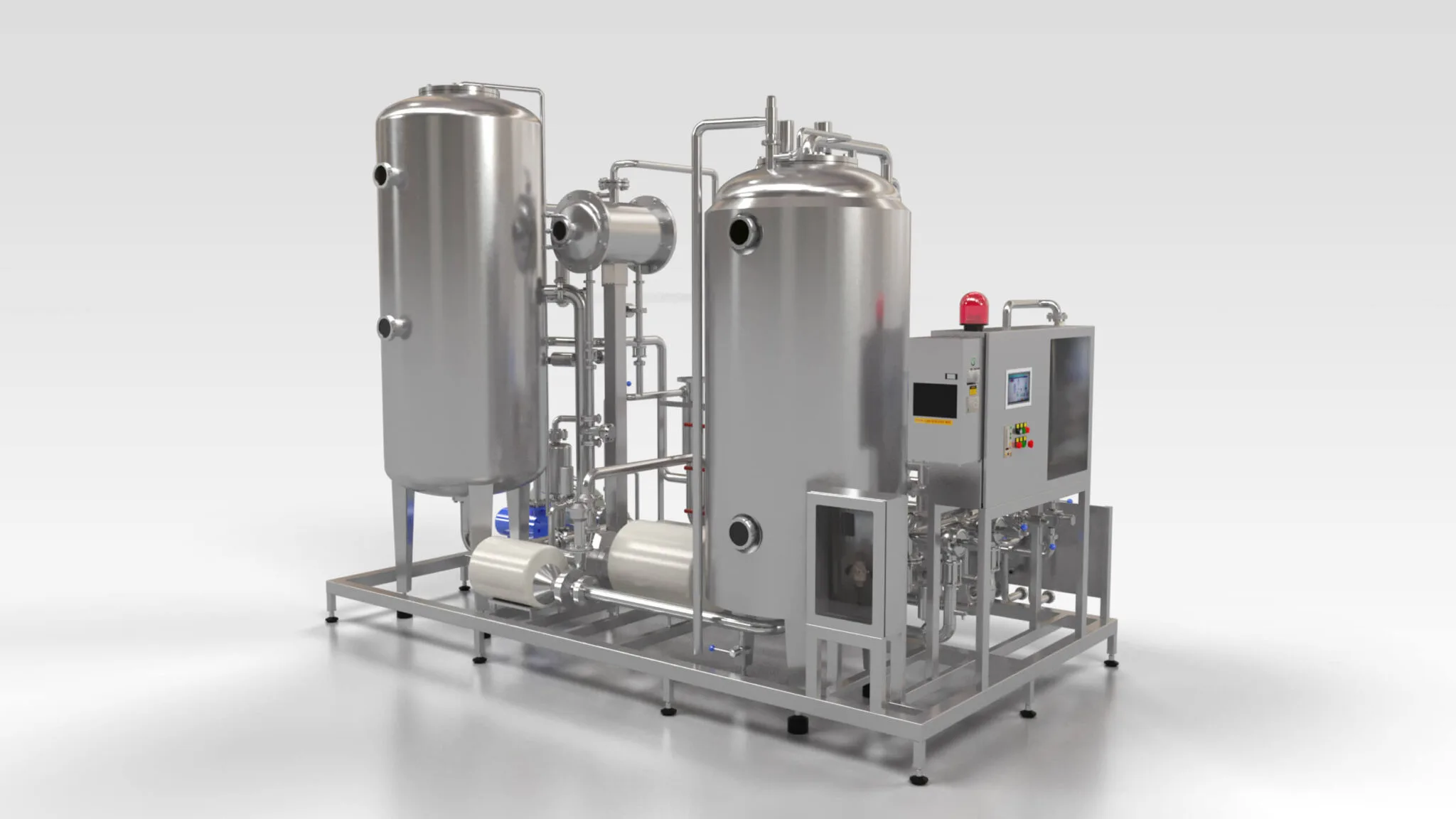
Industrial machinery is often a detailed blend of components, systems, and processes that are difficult to explain through static documentation, PDFs, CAD screenshots, 3D renders, or verbal communication.
3D industrial animation for machinery takes this technical challenge and provides an accurate, visual description of machinery in motion. This visual approach enhances understanding, making it easier for teams to evaluate performance, identify issues, and make necessary decisions quickly.
Key-Takeaways
3D industrial animation simplifies complex machinery, improving communication and understanding.
Traditional methods like PDFs and CAD screenshots fall short in explaining complex machinery.
3D animation improves sales presentations, training, and internal alignment between teams.
Investing in 3D animation provides measurable ROI by reducing errors and speeding up approvals.
3D industrial animation is a powerful method for winning tenders and showcasing high-precision machinery.
Why Traditional Documentation Falls Short for Industrial Machinery
1. Static PDFs & Manuals
PDFs and manuals document the details in depth but don’t demonstrate the machine or process. A 100-page manual cannot show the kinetic interplay between a grinding spindle and a conveyor belt. They are reactive troubleshooting guides, but not a proactive communication method.
2. 2D CAD Screenshots
While they play an important role for engineers, they have a language only understandable to procurement officers, clients, or new technicians. They require expert interpretation, leaving chances for assumption and error during critical handovers.
3. Verbal & On-Site Explanations
This method is subject to inconsistency. A sales engineer in Germany might describe a machine’s tolerance differently than a service head in the US. On-site demos are costly, logistically complex, and impossible for future, unbuilt machinery.
4. Physical Prototypes & 3D Models
For a multi-station laminating line spanning 50 meters, a physical scale model is prohibitively expensive (often costing 5-15% of the machine’s value) and takes months to build. Crucially, it is immediately outdated with any design iteration from your engineering team.
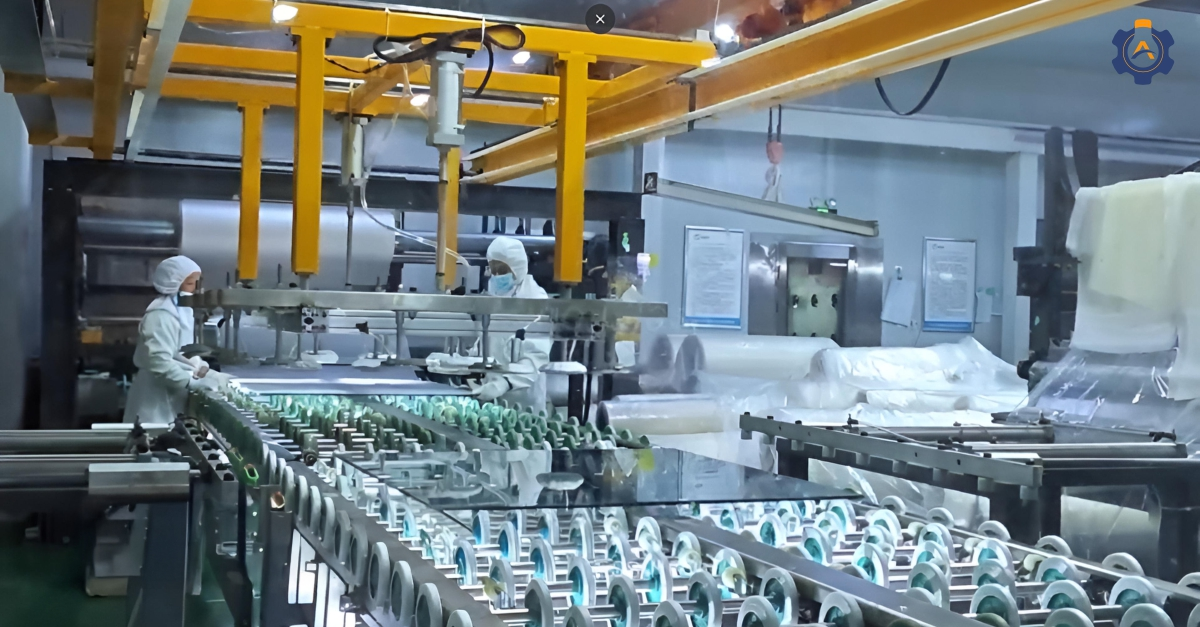
Most damagingly, a model cannot show the internal flow of coolant through a grinding spindle, the vacuum seal engagement in a laminating chamber, or the real-time alignment of glass panels on a conveyor, the details that define process quality and machine reliability.
How 3D Industrial Animation Simplifies Complex Machinery
3D industrial animation explains complexity through:
Visual Simplification: It breaks down complex machines into sequenced, animated layers showing the base assembly, then the pneumatic system, followed by the electrical routing and control logic. This layered approach shows how experts understand machines.
Internal Visualization: It can highlight a single component, like a servo motor, while dimming the rest, demonstrating its exact function within the whole. This is impossible with a 3D render, technical drawing, or a physical explanation.
Time & Scale Clarity: It can slow down a 1-millisecond laser pulse for detailed inspection or speed up an 8-hour curing process to 10 seconds, demonstrating cause and effect clearly.
Clear Perspective & Cutaways: It provides a clear view inside sealed chambers, like showing coolant flow through a spindle or the laminating process inside an autoclave, making things clearly visible.
Why 3D Animation Is Ideal for Showcasing High-Precision Machinery
3D industrial animation is ideal for showcasing these machines because it can highlight their most complex and internal details. With industrial machine animation, businesses can zoom in on specific parts, showcase real-time movements, and demonstrate how the machinery interacts within a larger system.
This level of detail is important for industries that require precision and consistency, such as in manufacturing, automation, and high-tech machinery production.
Showcase your industrial machinery’s precision with one of the leading industrial animation company – Arise3D
Let’s Talk!
From Engineering Data to Visuals: Inside the Laminating Glass Processing Animation by Arise3D
This industrial process animation demonstrates how Arise3D, with its expertise, simplifies complex data while offering a detailed, visually engaging view of the glass cutting, grinding, and washing process. This animation is an example of how complex industrial systems can be represented through 3D visualization, making it easier for businesses to communicate their processes to both internal teams and clients.
How You Can Use 3D Industrial Animation for Sales, Training, and Approvals
1. For Sales & Marketing
In high-value capital equipment sales, the journey from interest to investment depends on by a critical “knowledge gap.”
Other traditional methods fail to demonstrate how a 10-station laminating line integrates into their existing facility. A 3D animation works brilliantly here. It allows your sales team to visually walk a prospect through the entire material flow from automatic glass loading to the final quality inspection of a cured laminate within a custom-configured factory layout.
You can accelerate project approvals with 3D engineering animation by creating effective tender submissions that stand out.
2. For Technical Training & Safety
Training technicians on a laminating line using only manuals or images is inefficient and risky.
How do you safely teach the calibration sequence for an edging spindle or the lock-out/tag-out procedure for the autoclave’s hydraulic system? A 3D animation provides a repeatable and standardized training environment. New hires can visually rehearse complex maintenance tasks, understand relationships between components, and see the consequences of incorrect sequences, all before ever touching the physical machine. This reduces onboarding time, minimizes costly operational errors during ramp-up, and ingrains safety protocols by visually demonstrating cause and effect.
3. For Internal & Client Approvals
The most costly phase delays often occur during the approval process, where misalignment between your engineering team’s design and the client’s expectations leads to endless revision cycles.
An animation serves as the definitive visual method. It allows your project managers to conduct a virtual factory tour with the client, walking through every operational mode and safety sequence long before assembly begins.
This alignment ensures that engineering, sales, and the client are all looking at the same model, reducing change orders and ensuring that approved means the same thing to everyone involved.
4. For Investor & Stakeholder Communication
When seeking funding for a new machine line or explaining a complex retrofit to internal stakeholders, you must make them understand all the technicalities.
With 3D machine animation services, you make innovation and complexity understandable. It can showcase the complexity behind a rapid-cycling laminating press or the efficiency gains of a new automated glass handling system in a way that financial and executive stakeholders can immediately learn.
Talking about the marketing benefits of industrial animation, it helps with building trust and positions your brand as a technologically advanced leader in the market.
ROI of Investing in 3D Industrial Animation for Your Machinery
Sales Cycle Reduction
Reduce lengthy clarification meetings. One manufacturer reported a 30% reduction in their sales cycle after integrating 3D animation into their proposal process, as clients understood the solution faster.
Reduced Rework & Change Orders
Clear visual alignment upfront minimises misunderstandings. This can directly prevent costly post-contract change orders, which can eat 5-15% of project margin.
Training Efficiency
Create reusable, standardised training assets. One client cut their field technician onboarding time from 12 weeks to 6, effectively doubling their training capacity.
Competitive Differentiation
In a crowded market, a professional animation demonstrates commitment to clarity and innovation, directly influencing tender evaluation scores.
Arise3D – Your Perfect Partner for Technical & Industrial Animation Projects
With over years in the business, Arise3D has been the first choice when it comes to industrial animation. We’ve had the privilege of helping industries like automotive, manufacturing, and more, simplifying their most complex systems through 3D animation.
By collaborating with Arise3D, you’re partnering with a company that understands the complexity of your industry and can deliver animations that improve communication, reduce misunderstandings, and speed up decision-making.
FAQ’s
1) Why should we invest in 3D industrial animation?
FIt works with your largest liability, which is technical complexity, by converting it into your greatest sales and communication asset, reducing misinterpretation and accelerating decision-making across the project lifecycle.
2) Can 3D animation help us win tenders or large industrial projects?
Absolutely. It provides a demonstration of your solution’s superiority and operational logic, giving evaluators a clear understanding.
3) How does 3D animation improve internal alignment between sales and engineering teams?
It serves as a single visual reference for the machine’s function and capabilities, ensuring both teams present a unified, accurate message to the market and clients.
4) What ROI can we expect from investing in 3D industrial animation?
Expect measurable gains: shorter sales cycles, reduced training costs, fewer errors in implementation, and a stronger competitive position that often works towards higher win rates and margin protection.