In physical photography, every minor change to your process adds another task to an already expensive bill.
Photographer’s day rate. Studio rental. Shipping prototypes. A person who makes sure everything looks perfect. One scratch or bad reflection. Suddenly, you’re paying for expensive retouching or a complete reshoot. Frustrating, right? This is exactly the reason why industries are now comparing: the cost of 3D rendering vs photography.
Industries in that case have discovered something simple: 3D render eliminates nearly all those variable costs. With a 3D render, you invest once, and that’s it. Every subsequent “shot” costs virtually nothing. Your budget stops being a recurring expense and starts working as a scalable, long-term asset.
Key-Takeaways
While a single photograph is often cheaper upfront, 3D rendering becomes significantly more cost-effective when you need multiple variations, or angles.
3D rendering eliminates physical constraints, allowing for perfect lighting, material changes, and “impossible” shots (like cutaways).
3D visualisation serves a dual purpose: it’s a powerful tool for pre-manufacturing design validation and marketing concept testing.
The 3D model becomes a long-term, reusable asset. It can be repurposed for future marketing campaigns, animations, or interactive experiences, providing ongoing value that a single photograph cannot.
What is 3D Rendering?
At its core, 3D rendering is the process of using computer software to generate a two-dimensional image from a three-dimensional digital model (like a CAD file).
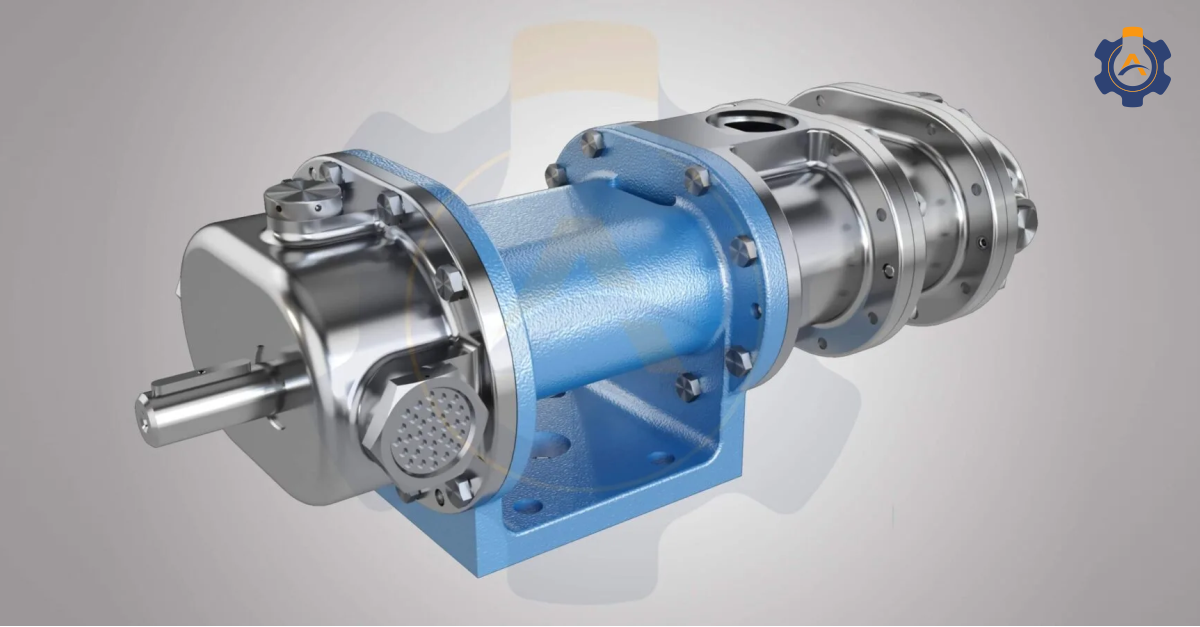
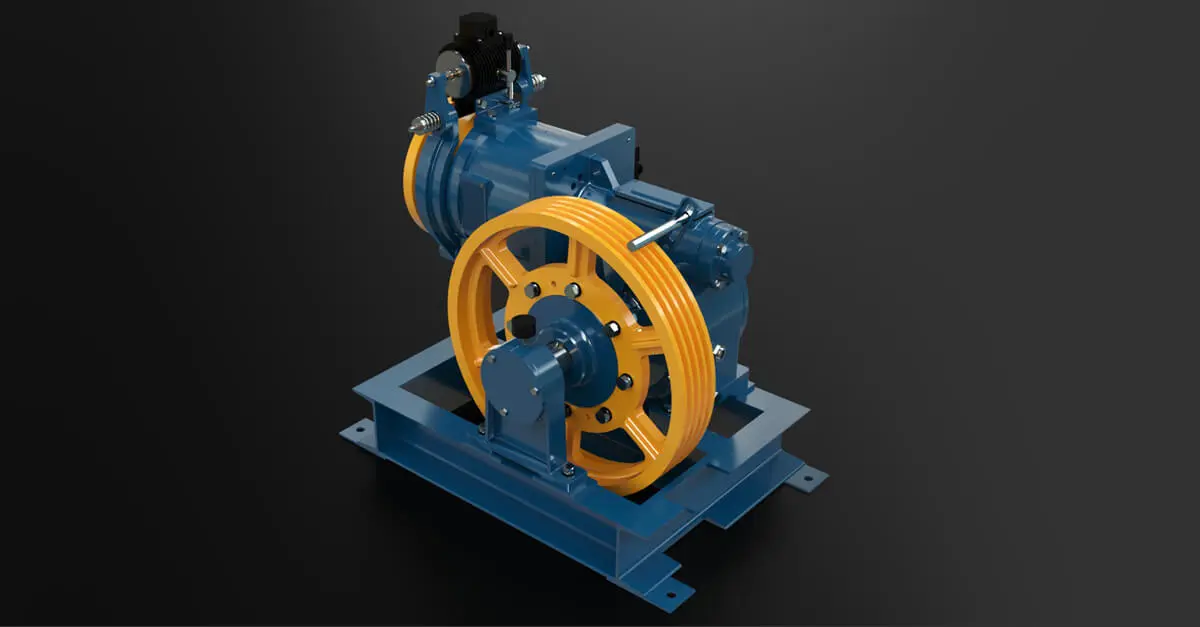
Think of it as a digital photoshoot. Instead of a physical camera, studio, and product, you have a virtual camera, a virtual set, and a hyper-accurate digital twin of your product. The software simulates light, materials, and textures to produce a photorealistic image that is often indistinguishable from a photograph.
How 3D Rendering Differs From Traditional Photography
Traditional photography relies on a physical subject, a skilled photographer, and specific lighting conditions. If the sun goes down or the product gets a scratch, the shoot stops.
3D rendering is digital. It uses 3D-CAD models to simulate light bouncing off surfaces. The primary difference? Control. In a 3D render, you can “photograph” a product from the inside out or show a machine operating in an environment that would be impossible for a human photographer to enter.
This flexibility is a primary reason companies save costs by outsourcing 3D rendering projects, as it eliminates the need for physical logistics.
Limitations of Traditional Photography
While photography has its place, it comes with significant limitations for business needs:
Physical Dependence: You must have a finished, flawless prototype or product ready to ship to a studio. This delays marketing for products still in development.
High Reshoot Costs: Want to see the product in a different colour? That requires a new physical sample and another shoot. This is where the cost of 3D rendering vs photography becomes clear.
Inconsistency: Maintaining perfect lighting and colour across hundreds of SKUs in a single catalogue is difficult, leading to a confused brand presentation.
Creative Limits: Gravity, reflections, and studio space dictate what’s possible. A floating product or a “cutaway” view showing internal components is impossible without expert help.
Want more flexibility than traditional photography can offer?
Contact Us
Benefits of 3D Product Renders Over Traditional Photography
1. Total Environmental Control
We build “digital twins” of your products. Want your industrial pump to look like it’s in a high-tech lab? Or perhaps a rugged outdoor construction site? We change environments in seconds. You get Professional 3D rendering services that provide perfect lighting 24/7, 365 days a year.
2. Prototypes Before Production (Market Testing)
One of the biggest benefits of 3D product renders over traditional photography is the ability to launch before you build. Photography requires a finished, polished product to be physically present.
At Arise3D, we understand the role of 3D rendering in the manufacturing industry. We use your raw CAD data to create photorealistic marketing assets while the assembly line is still being set up. This allows you to start your awareness campaigns months earlier.
3. Infinite Customization & SKU Management
If you have a product that comes in 50 different colors or finishes, traditional photography is a logistical problem. You have to manufacture, ship, and shoot 50 separate items.
Once we build the master 3D model, changing a texture or colour hex code takes minutes, not days. You save costs by outsourcing your 3D rendering project because one “base” model can generate an entire product catalogue of thousands of SKUs with 100% visual consistency across the board.
4. Get Exploded Views in Images
Try taking a photo of the internal cooling system of a running engine. It’s impossible without ruining the machine.
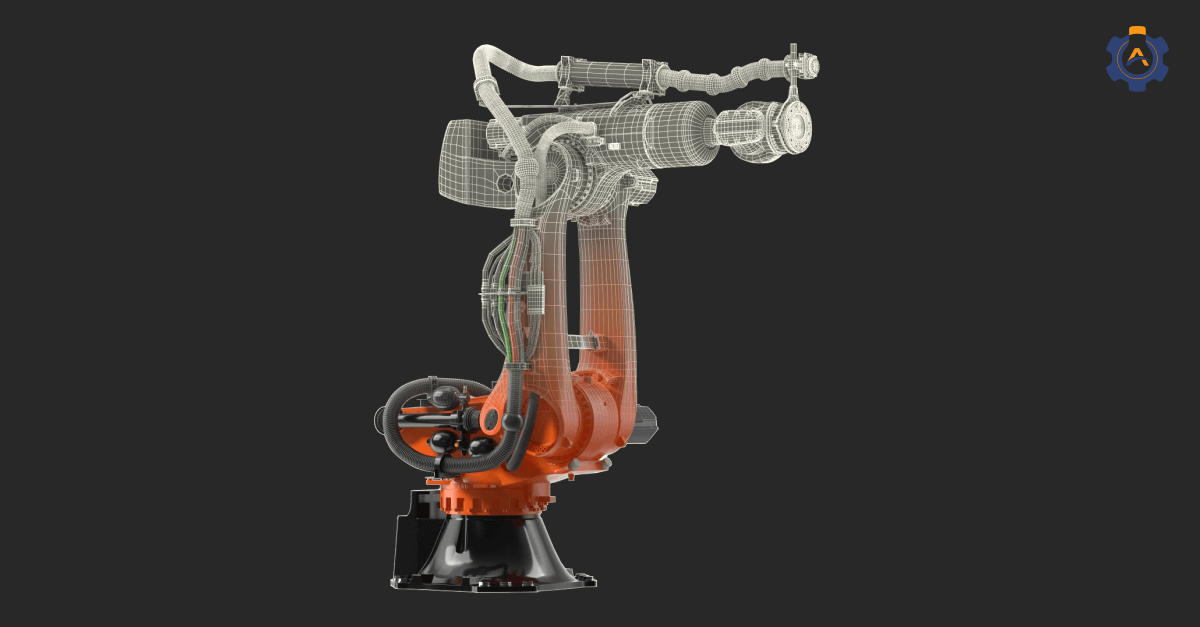
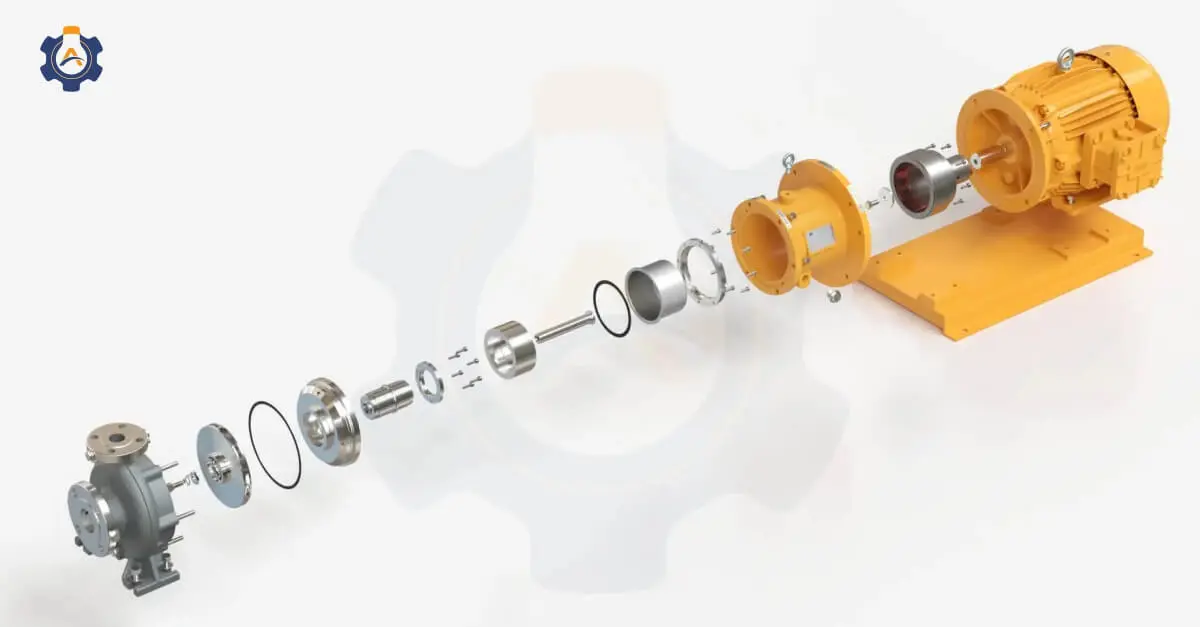
Whether it’s a cross-section of a medical device or an exploded view of a complex gear assembly, Arise3D provides a level of technical clarity that a camera lens simply cannot capture. This is important for decision-making, where technical buyers need to see the “how” and “why” of your quality.
5. Adapt for Any Market Instantly
Selling in Germany? Your images need metric labels and German safety markings. Selling in the US? Imperial units and ANSI standards. Traditional photography requires separate shoots for each market. With a 3D render, you adapt the same model. Change labels. Adjust backgrounds. Deliver region-specific visuals without reshooting anything.
6. Compress Your Launch Timeline
Traditional photography waits for physical samples. Physical samples wait for manufacturing. Manufacturing waits for supply chains. That’s a sequential process with no shortcuts. 3D rendering runs parallel to development. While your team builds the first unit, we render the first images. When your product ships, your marketing launches. No waiting and delays.
Cost Comparison: Traditional Photography vs Rendering
| Feature | Traditional Photography | 3D Rendering |
| Upfront cost | Moderate & recurring (Studio+Labour) | Higher (But initially) |
| Scalability | Low (pay per shoot) | High (Asset is reusable) |
| Revisions | Full reshoot | Minor tweak |
| Logistics | Shipping & handling required | 100% digital |
Outsource Your 3D Rendering Project to Arise3D
Let’s Discuss
Which one is right for your manufacturing business?
If your priority is getting one image of an assembled machine, traditional photography is an upfront cost and simple logistics might be the right fit.
But if you need scalability, reusable assets, and flexibility where every new SKU doesn’t require a full reshoot and logistics, 3D rendering is the clear winner. It turns a higher initial investment into long-term savings, giving you the power to revise, repurpose, and launch globally without shipping a single product.
Why 3D Rendering Is Ideal for Industrial Catalogues and Technical Documentation
Industrial buyers don’t just look at your equipment; they study it. They need to understand specifications, configurations, and integrations. 3D rendering delivers this with unmatched precision.
Imagine creating a product catalogue for a line of pumps with ten different impeller configurations and five material options. A traditional photoshoot would require 50 physical variants. With a 3D render, you model the base pump once and digitally configure each variant. The result is a technically accurate, visually consistent catalogue that your engineering customers can trust. Furthermore, for technical manuals, you can generate isometric exploded views, section cuts, and step-by-step maintenance guides that are impossible to capture with a camera.
Using 3D Rendering Before Manufacturing
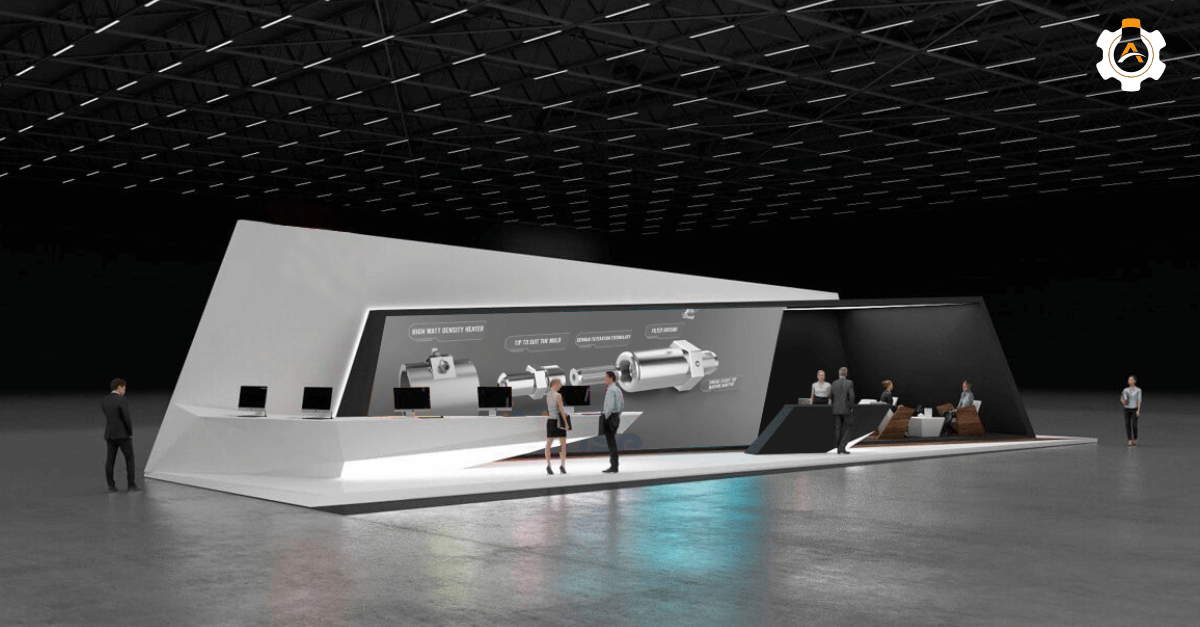
Design for Market Feedback: Present photorealistic concepts of new machinery to key customers or at trade shows to measure interest in features, ergonomics, or configurations before committing to expensive tooling and production runs.
Internal Design Validation: Use rendered images in design reviews to evaluate aesthetics, human factors, and assembly ergonomics alongside engineering data. It’s easier to spot design defects in a photorealistic context than in a wireframe CAD model.
Investor and Board Communication: Secure funding for new product lines by presenting stakeholders with compelling, realistic visuals of what the finished product will look like.
Early Sales Enablement: Equip your sales team with visuals they can use in proposals and presentations months before the product launch, shortening the sales cycle once the product is available.
FAQ’s
1) Why do companies use 3D rendering instead of photography?
It’s mostly about control and cost. Companies use 3D rendering because it lets them “photograph” a product that doesn’t physically exist yet.
2) Is 3D rendering good for product marketing?
It’s actually the standard now. 3D rendering allows you to do things a camera simply can’t, like capturing views that show internal engineering or 360-degree interactive rotations for your website.
3) Can 3D rendering completely replace product photography?
For about 90%, the answer is yes.
4) Is 3D rendering good for product launches?
Absolutely, it is a game-changer for launches.
Conclusion
Traditional photography asks you to stop everything, ship expensive prototypes, hope nothing gets damaged, and wait until manufacturing is done before marketing can even start. Then it asks you to do it all over again when someone wants a different color.
With 3D rendering, you show every configuration from one model. You create cutaway views that actually help customers understand your engineering. You launch products while your team is still building them.
And when you partner with Arise3D, you work with people who actually understand manufacturing. We’ve delivered thousands of 3D renders for machine tools, process equipment, oil and gas, and heavy engineering companies, etc.